
Why Do Aging Muscles Heal Slowly? It May Be a Form of “Self-Protection” — Aging Muscle Stem Cells Shift from Rapid Repair to Long-Term Survival

Wed, 2026/03/11

Why Do Aging Muscles Heal Slowly? It May Be a Form of “Self-Protection” — Aging Muscle Stem Cells Shift from Rapid Repair to Long-Term Survival

Findings suggest that some molecular changes associated with aging may not be purely harmful but could instead represent protective adaptations of stem cells. After injury, aging muscles heal more slowly—a frustrating reality familiar to many older adults. A research team at the University of California, Los Angeles (UCLA) has uncovered an unexpected explanation for this phenomenon through studies in mice: stem cells in aging muscle accumulate a protein called NDRG1. While this protein slows the activation of stem cells and their ability to repair tissue, it helps the cells survive longe
Read More
Research Progress in CAR-T Cell Therapy

Wed, 2026/03/11

Research Progress in CAR-T Cell Therapy

CAR-T (Chimeric Antigen Receptor T-Cell Immunotherapy) refers to chimeric antigen receptor T-cell immunotherapy. Although this therapy has existed for many years, it has only been improved and applied clinically in recent years as a novel type of cell therapy. It has shown remarkable efficacy in the treatment of acute leukemia and non-Hodgkin lymphoma and is considered one of the most promising cancer treatment strategies. Like all technologies, CAR-T technology has undergone a long evolutionary process, during which it has gradually matured. The key to this therapeutic strategy lies in the ar
Read More
Do “Super-Agers” Have Memories as Sharp as Young People

Wed, 2026/03/11
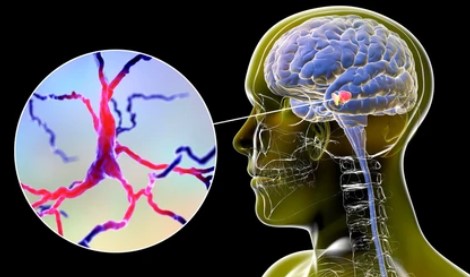
Do “Super-Agers” Have Memories as Sharp as Young People

Nature Reveals Hidden Secrets in the Hippocampus: Newborn Neurons May Be the Brain’s Anti-Aging “Secret Weapon” Scientists from institutions including the University of Illinois Chicago have produced compelling new evidence through their research. In the study, they analyzed more than 350,000 cell nuclei from the human hippocampus, using cutting-edge technologies such as single-cell sequencing, providing fresh answers to a long-standing scientific question. Have you ever wondered why some people, even in their 80s or 90s, retain astonishingly sharp memories? They can remember
Read More
Did eating too sweet and greasy foods in childhood make it harder to control your appetite later in life

Wed, 2026/03/11

Did eating too sweet and greasy foods in childhood make it harder to control your appetite later in life

Early-life healthy diets may influence brain health for a lifetime Scientists from University College Cork in Ireland and other institutions have found that long-term consumption of high-fat and high-sugar diets early in life may leave “permanent scars” on the neural circuits that regulate feeding in the brain. Even if body weight returns to normal in adulthood, these changes can quietly influence eating behavior and food preferences throughout life. In everyday life, many of us have experienced this: even when we are already full, we still can’t resist taking a few more bite
Read More
The Critical Regulatory Role of USP25 in Parkinson's Disease
Thu, 2026/01/22

The Critical Regulatory Role of USP25 in Parkinson's Disease

Pharmacological inhibition of USP25 using the small-molecule inhibitor AZ1 significantly alleviates PD symptoms in mice, suggesting that USP25 suppression may represent a potential therapeutic strategy for PD. Parkinson's disease (PD) is a progressive neurodegenerative disorder that poses a major threat to global health. Identifying therapeutic targets for PD will facilitate more effective clinical treatments. The Wang Xu research group from Wenzhou Medical University published online in PNAS a study titled "USP25 inhibition ameliorates Parkinson’s disease by restoring mitophagy." This s
Read More
Melanosomes Act as "Decoys" to Trap Killer T Cells

Thu, 2026/01/22
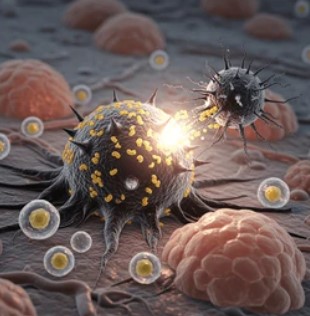
Melanosomes Act as "Decoys" to Trap Killer T Cells

Melanoma cells secrete melanosomes that carry major histocompatibility complex molecules and tumor antigens. By binding to the T-cell receptors of CD8⁺ T cells, these melanosomes induce dysfunction and apoptosis, facilitating tumor immune evasion. Inhibiting melanosome secretion can significantly enhance anti-tumor immune effects. Among skin cancers, melanoma poses a deadly threat with 100,000 new cases annually. While immunotherapy offers hope for some patients, nearly half do not respond to treatment. Even when tumors express mutant antigens recognizable by immune cells, the CD8⁺ T cells res
Read More
Inhibiting SCoR2 Enzyme Both Blocks Fat Synthesis and Promotes Fat Burning, Opening a New Path for Obesity Treatment

Thu, 2026/01/22

Inhibiting SCoR2 Enzyme Both Blocks Fat Synthesis and Promotes Fat Burning, Opening a New Path for Obesity Treatment

Scientists from Case Western Reserve University and other institutions have discovered a key enzyme called SCoR2 that acts as a "master switch" determining the fate of fat. Have you ever wondered why some people "gain weight just by drinking water" while others seem naturally "thin"? The battle with fat may be orchestrated inside cells by a key enzyme. Obesity and metabolic dysfunction–associated steatotic liver disease (MASLD) have become global health crises affecting the quality of life for hundreds of millions, while traditional weight-loss strategies often face challenges of rebound
Read More
Upstream Target of Nucleic Acid Sensors: CDK10 Suppresses Nucleic Acid Sensors-Mediated Antitumor Immunity

Thu, 2026/01/22

Upstream Target of Nucleic Acid Sensors: CDK10 Suppresses Nucleic Acid Sensors-Mediated Antitumor Immunity

This study identifies CDK10 as a cancer cell-intrinsic driver of immune evasion that inhibits antitumor immunity by limiting the production of immunostimulatory nucleic acids, thereby providing a potential new target for cancer immunotherapy. Cancer immunotherapy has revolutionized cancer treatment, but many patients do not respond. Activating innate immunity offers a promising approach to enhance therapeutic efficacy, yet the signaling kinases that directly modulate this process to augment antitumor responses remain elusive. Zhang Jinfang from Wuhan University and Lei Xiaoguang from Peking Un
Read More