
Uncategorized Tuesday, 2026/06/16
This study is the first to visually reveal, at single-cell resolution in human solid tumor tissues, the “spatial confrontation” between therapeutic antibodies and the tumor microenvironment.
Antibody Drugs and the Challenge of Solid Tumor Treatment
Antibody drugs are regarded as important weapons in precision cancer therapy. These drugs can specifically recognize targets on the surface of tumor cells and, in theory, achieve a form of “precision strike.” However, in clinical practice, many antibody drugs have shown far less efficacy against solid tumors than expected.
Head and neck squamous cell carcinoma and pancreatic ductal adenocarcinoma are two examples. The latter is particularly aggressive, with a five-year survival rate that has long remained around 10%. One puzzling reality is that some patients show high expression of drug targets at the cellular level, yet antibody therapy still fails. Scientists have gradually realized that the problem may not lie in the drug itself, but rather in the fact that the drug may never effectively reach the “battlefield” where tumor cells reside.
A New Framework: Single-Cell Spatial Pharmacobiology
Recently, in a research article published in the international journal Nature Biotechnology titled “Single-cell spatial pharmacobiology identifies conserved stromal barriers to therapeutic antibody delivery in human solid tumors,” scientists from Vanderbilt University Medical Center and other institutions developed an analytical framework called single-cell spatial pharmacobiology, or SSP.
What makes SSP unique is that it combines in situ imaging of systemically infused, fluorescently labeled therapeutic antibodies with high-dimensional spatial proteomics. This allows researchers to measure three key features simultaneously at single-cell resolution: where antibodies are distributed within tumor tissues, the extent to which they bind to their targets, and the spatial architecture of the tumor microenvironment.
Antibody Delivery Is Highly Uneven Within Tumors
The researchers applied this technology to tumor tissue samples obtained from two phase 1 clinical trials. These samples came from patients with head and neck squamous cell carcinoma and pancreatic ductal adenocarcinoma who had received panitumumab-IRDye800.
The results were striking: even within tumor tissues from the same patient, antibody delivery and target binding varied substantially at the single-cell level. In other words, some tumor regions showed good drug distribution, whereas other regions were almost completely overlooked.
SSP Quantifies Antibody Delivery and Activity in Native Tissue
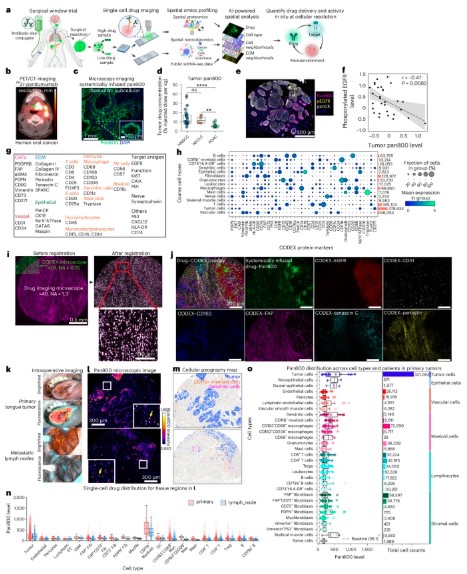
Fig1. SSP quantifies therapeutic antibody delivery and activity in native tissue at single-cell resolution.
SSP enables quantitative analysis of the delivery and activity of therapeutic antibodies in native tissues at single-cell resolution.
Further analysis showed that this uneven distribution was not random. Instead, it was shaped by conserved stromal barriers in the tumor microenvironment. The study identified two major types of physical barriers.
The first type consists of extracellular matrix aggregates rich in periostin. This protein is heavily deposited in the tumor stroma, forming dense “walls.” The second type consists of cancer-associated fibroblast communities expressing fibroblast activation protein.
Both structures were present in head and neck squamous cell carcinoma and pancreatic ductal adenocarcinoma, and both were closely associated with reduced antibody delivery efficiency. Non-cancerous tissue components in the tumor microenvironment are not passive fillers; rather, they act as physical roadblocks that actively prevent drug penetration.
Distinguishing Biological Resistance from Poor Drug Exposure
Professor Rosenthal noted that the SSP method allows researchers to precisely observe the routes by which drugs distribute within tumors, determine which cell types they interact with, evaluate the strength of binding to molecular targets, and reveal how the architectural structure of the tumor microenvironment influences drug delivery and activity.
More importantly, by directly measuring the delivery of antibody drugs at target sites, SSP can distinguish between two fundamentally different causes of treatment failure: whether a tumor region is biologically unresponsive to the drug, or whether that region was never exposed to a sufficient drug concentration in the first place. This distinction has direct implications for adjusting subsequent treatment strategies.
Potential Applications Beyond Therapeutic Evaluation
Panitumumab-IRDye800 is an antibody drug currently being studied for fluorescence-guided surgery. In cancer surgery, these fluorescently labeled antibodies can help surgeons more clearly identify tumor margins and achieve more precise resection.
The application of SSP is not limited to evaluating therapeutic drug delivery. It can also provide spatial information about drug distribution for intraoperative navigation and related clinical scenarios.
A New Perspective on Resistance and Drug Delivery
This study is the first to visually demonstrate, at single-cell resolution in human solid tumor tissues, the spatial “confrontation” between therapeutic antibodies and the tumor microenvironment. In the past, researchers focused more on drug-resistance mutations within cancer cells themselves. SSP data remind us that, in some cases, drugs may not even have the opportunity to reach cancer cells.
This technology provides a new analytical framework that may support future studies of resistance mechanisms, optimization of dosing strategies, and discovery of spatial biomarkers. Of course, SSP is still at the research stage and will require further validation in larger patient cohorts to determine its clinical value in identifying drug delivery barriers and predicting treatment efficacy.
Related Products & Services
- Diagnostic Antibody
- Therapeutic Proteins
- Cell and Gene Therapy
- Immune Checkpoint Proteins
- ADC Target Protein
- PROTAC Targets
- Targets of CAR-T Cell Therapy
- Cancer Drug Targets
- Protein Engineering Services
- Protein Interaction Service
- Protein Expression and Purification Services
- Drug Discovery Screening
- Protein Pathway Profiling
Reference
- Lu, G., Hickey, J.W., Haist, M. et al. Single-cell spatial pharmacobiology identifies conserved stromal barriers to therapeutic antibody delivery in human solid tumors. Nat Biotechnol (2026). doi:10.1038/s41587-026-03152-x