
Uncategorized Thursday, 2026/11/19
BMC Psychiatry Review Highlights Limited Biomarker Reproducibility and Challenges in Clinical Translation. Single biomarkers show poor reproducibility, while multi-omics models remain largely limited to internal validation. Blood-based molecular testing currently holds greater promise for patient stratification than for clinical diagnosis.
A systematic review published in BMC Psychiatry examines research on blood-derived molecular biomarkers for major depressive disorder (MDD). The findings suggest that molecular signatures are more consistent at the biological pathway level than at the individual biomarker level. Although no blood-based biomarker is currently sufficiently validated for routine clinical diagnosis or treatment selection, these molecular signatures may help identify biologically distinct patient subgroups and advance precision psychiatry research.
The Search for an Objective Blood Test for Depression
For many physical health conditions, laboratory measurements provide objective information that supports clinical assessment. Blood pressure measurements help evaluate hypertension, while blood glucose testing is central to diagnosing and monitoring diabetes. In contrast, the clinical assessment of major depressive disorder (MDD) continues to rely primarily on psychiatric interviews, evaluation of symptoms, and standardized rating scales.
Despite sharing the same diagnosis, patients with MDD often exhibit substantial differences in their responses to antidepressant medications. Some experience relatively rapid symptom improvement, while others face persistent symptoms, recurrent depressive episodes, or limited therapeutic benefits.
These variations suggest that MDD encompasses considerable biological heterogeneity, raising an important question: Could a simple peripheral blood test eventually help diagnose depression or predict which treatments are most likely to work for individual patients?
Peripheral blood sampling is minimally invasive, relatively straightforward, and potentially suitable for large-scale clinical implementation. As a result, blood-derived molecular biomarkers have become an important focus of research in precision psychiatry.
However, findings from different research groups have frequently shown limited reproducibility. Candidate biomarkers identified in one population often fail to demonstrate comparable performance in independent cohorts, creating significant uncertainty about their clinical applicability.
A systematic review published in BMC Psychiatry, titled “Peripheral Molecular Signatures of Major Depressive Disorder: A Systematic Review of Blood-Derived Biomarkers for Diagnosis, Stratification, and Treatment Response,” evaluated the available evidence and examined the progress and limitations of blood-based molecular testing for depression.
Systematic Review Examines 25 Studies Across Multiple Molecular Platforms
The researchers identified 25 eligible studies representing 24 independent participant datasets.
The included studies investigated several major categories of molecular biomarkers and analytical approaches, including:
- DNA methylation: Epigenetic modifications potentially associated with depression-related biological processes.
- Transcriptomics: Changes in gene expression patterns in peripheral blood cells.
- Noncoding RNAs: Regulatory RNA molecules, including long noncoding RNAs and circular RNAs.
- Immune and inflammatory markers: Molecular signatures associated with immune activation and inflammatory signaling.
- Mitochondrial metabolism: Pathways involved in cellular energy production and metabolic regulation.
- Multi-omics integration: Models combining information from multiple molecular layers.
- Machine learning: Computational approaches designed to distinguish patient groups or predict treatment responses.
By evaluating multiple molecular platforms, the review aimed to determine whether reproducible molecular signatures of MDD could be identified and whether existing findings support clinical applications.
The researchers also examined methodological rigor, validation approaches, and the overall certainty of evidence.
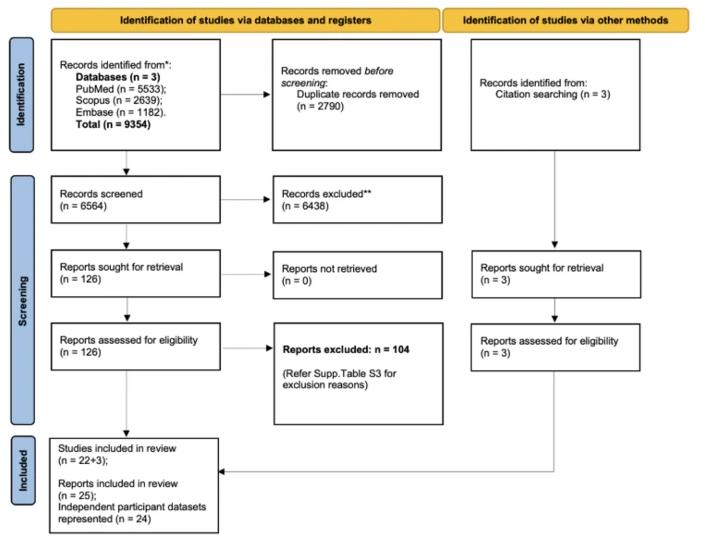
Fig1. PRISMA literature screening flowchart
Individual Biomarkers Lack Reproducibility, but Biological Pathways Show Greater Consistency
One of the most important findings was the difficulty of identifying a single molecular biomarker that could be consistently replicated across different populations and studies.
Although individual investigations reported associations between particular molecules and MDD, these findings often varied depending on study populations, experimental platforms, analytical methods, and clinical characteristics.
However, a different pattern emerged when the researchers examined molecular changes at the biological pathway level.
Several independent studies identified alterations involving similar biological processes, even when the specific genes or proteins differed.
The most frequently implicated pathways included:
- Immune and interferon-related signaling, reflecting altered immune regulation.
- Nuclear factor kappa B (NF-κB) signaling, a major pathway involved in inflammatory responses.
- Mitochondrial energy metabolism, including processes associated with cellular energy production.
- DNA methylation and epigenetic regulation, which influence gene expression without changing the underlying DNA sequence.
- Neurodevelopmental and synaptic function, potentially related to neuronal communication and plasticity.
- Cellular stress responses, reflecting adaptations to physiological and environmental stressors.
- Autophagy, a cellular process responsible for degrading and recycling intracellular components.
- Noncoding RNA regulatory pathways, which contribute to the control of gene expression.
These findings suggest that pathway-level molecular signatures may provide a more reproducible picture of MDD biology than individual biomarkers.
However, pathway consistency does not necessarily translate into diagnostic specificity. Many of these biological processes are also involved in other psychiatric, inflammatory, metabolic, and neurological conditions.
DNA Methylation and Transcriptomics Reveal Potential Molecular Mechanisms
Among the molecular approaches reviewed, DNA methylation represented one of the relatively more extensively investigated areas.
DNA methylation is an epigenetic modification that can influence gene expression and has been linked to multiple biological processes relevant to psychiatric disorders.
Several candidate methylation sites identified in the reviewed studies were associated with pathways involved in:
- Neurodevelopment and neuronal function
- Immune regulation
- Physiological stress responses
These findings suggest that epigenetic regulation may contribute to the biological heterogeneity of depression.
Nevertheless, individual methylation markers have not demonstrated sufficient consistency across studies to support routine clinical testing.
Similarly, transcriptomic analyses have not identified a single gene with reliably reproducible expression changes across independent MDD cohorts.
Instead, transcriptomic findings have repeatedly implicated broader biological processes, including immune activation, type I interferon signaling, cellular autophagy, and biological aging-related pathways.
This distinction between individual genes and biological pathways highlights a central challenge in biomarker discovery: although multiple studies may identify similar underlying biological mechanisms, the specific molecular signals can differ substantially between populations.
Immune and Inflammatory Biomarkers May Help Identify Depression Subtypes
Immune dysregulation has emerged as a recurring theme in molecular research on MDD.
Several studies identified altered immune and inflammatory signatures in subsets of patients with depression.
These findings support the possibility that MDD may include biologically distinct subgroups, some of which exhibit more pronounced immune activation or inflammatory signaling than others.
Immune-related molecular markers may therefore be more useful for patient stratification than for directly diagnosing depression.
For example, molecular profiling could potentially help distinguish patients with inflammation-associated biological characteristics from those with other molecular patterns.
Such stratification might eventually improve understanding of disease mechanisms and support research into more individualized treatment approaches.
However, these applications remain investigational.
Immune and inflammatory changes are not specific to depression and may be influenced by factors such as infections, chronic inflammatory conditions, medication use, lifestyle, and other physiological variables.
Consequently, an abnormal inflammatory biomarker profile cannot currently establish a diagnosis of MDD.
Mitochondrial Metabolism and Autophagy: Promising but Mechanistically Unconfirmed
Another recurring research direction involves mitochondrial function, oxidative phosphorylation, and autophagy.
Mitochondria are responsible for many aspects of cellular energy production, while autophagy helps maintain cellular homeostasis by removing damaged or unnecessary intracellular components.
Alterations in these processes have been proposed as potential contributors to depression-related biological dysfunction.
The systematic review found that mitochondrial and autophagy-associated pathways were repeatedly implicated in molecular studies of MDD.
However, an important limitation is that many of these findings were derived from computational pathway enrichment analyses rather than direct functional experiments.
Pathway enrichment methods can identify groups of genes or molecules associated with particular biological processes, but they do not necessarily demonstrate that the corresponding cellular functions are impaired.
For example, enrichment of genes associated with oxidative phosphorylation does not automatically establish that mitochondrial energy production is reduced or dysfunctional in affected patients.
Similarly, the presence of autophagy-related molecular signatures does not directly confirm altered autophagic activity.
Additional functional studies are therefore needed to determine whether these molecular associations represent causal mechanisms, compensatory responses, or secondary consequences of disease-related processes.
Noncoding RNAs Show Potential for Predicting Antidepressant Response
Noncoding RNAs represent another area of interest in depression biomarker research.
Unlike protein-coding messenger RNAs, many noncoding RNAs perform regulatory functions that influence gene expression, cellular signaling, and other biological processes.
The review highlighted two potentially relevant RNA molecules.
Circular RNA CDR1as emerged as a candidate biomarker with potential relevance to predicting antidepressant treatment response.
Circular RNAs are characterized by their covalently closed molecular structure, which can influence their stability and regulatory functions.
The association between CDR1as and antidepressant response suggests that certain RNA expression patterns may eventually help identify patients who are more likely to benefit from particular treatments.
Another candidate, long noncoding RNA BASP1-AS1, was associated with the duration of depressive episodes and the volume of the hippocampal tail.
These observations suggest possible relationships between peripheral RNA expression and clinical or neuroanatomical characteristics of depression.
Nevertheless, both findings require replication and validation in larger independent cohorts.
Neither CDR1as nor BASP1-AS1 is currently established as a clinically validated biomarker for diagnosing depression or selecting antidepressant therapy.
Multi-Omics and Machine Learning Models: Better Performance, Limited External Validation
Researchers have increasingly explored multi-omics approaches to overcome the limited predictive value of individual molecular biomarkers.
Rather than relying on a single gene, protein, or epigenetic modification, multi-omics models integrate information from multiple molecular layers.
These approaches may incorporate combinations of DNA methylation profiles, transcriptomic signatures, noncoding RNA expression, immune markers, and metabolic information.
Machine learning methods can then identify complex patterns that distinguish patients with MDD from healthy control participants.
The systematic review found that multi-marker and multi-omics models generally demonstrated better classification performance than individual biomarkers.
However, their apparent advantages were accompanied by important methodological limitations.
Most models had undergone only internal validation, meaning that performance was evaluated using data derived from the same study populations or datasets involved in model development.
When models were assessed using independent external cohorts, predictive performance could decline.
This phenomenon raises concerns about overfitting, population-specific molecular patterns, and limited generalizability.
A model that performs well in one research dataset may not maintain comparable accuracy across different hospitals, demographic groups, sample collection procedures, or laboratory platforms.
Therefore, promising classification results obtained through internal validation should not be interpreted as evidence of clinical readiness.
Large-scale external validation and standardized analytical workflows remain essential before these models can be considered for routine medical use.
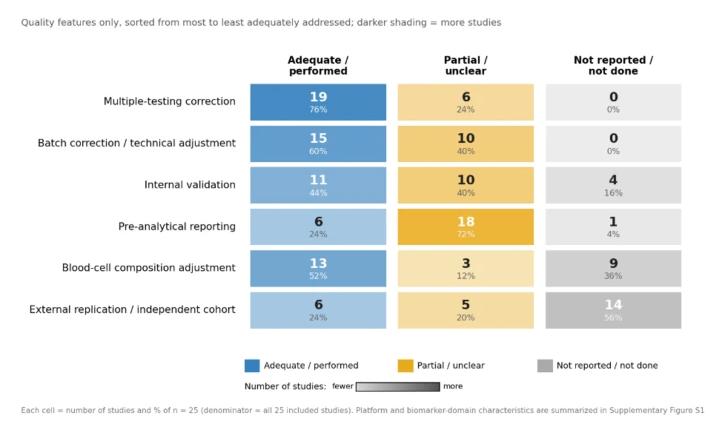
Fig2. Methodological rigour and reporting across the 25 included studies
Patient Stratification May Be More Realistic Than Blood-Based Diagnosis
Based on the available evidence, the researchers concluded that the most promising near-term application of blood-derived molecular signatures may lie in biological patient stratification rather than direct diagnosis.
Potential research applications include identifying:
Inflammation-associated MDD subtypes
Patients with relatively elevated immune or inflammatory signaling profiles may represent biologically distinct subgroups that warrant further investigation.
Suicide risk-associated molecular subgroups
Certain molecular signatures may be associated with clinical features related to suicide risk, although their predictive reliability and clinical usefulness remain insufficiently established.
Sex-specific molecular phenotypes
Male and female patients may exhibit differences in molecular pathways associated with depressive disorders, suggesting that sex-related biological variation should be considered in future biomarker research.
These approaches could eventually help clarify why individuals with the same psychiatric diagnosis exhibit different clinical trajectories and treatment responses.
However, the current evidence remains inadequate for using blood-based molecular tests to diagnose MDD or reliably predict antidepressant treatment outcomes.
Evidence Quality Remains Low Across Most Biomarker Categories
To evaluate the overall reliability of the findings, the systematic review applied a modified GRADE framework.
The assessment indicated that the certainty of evidence for nearly all investigated biomarker categories was low or very low.
Several limitations contributed to this assessment, including inconsistent findings across studies, differences in experimental methodologies, limited sample sizes in some research areas, and inadequate independent validation.
Variability in patient characteristics, treatment histories, and clinical definitions may also contribute to differences in molecular findings.
Moreover, the use of different laboratory platforms and analytical pipelines makes direct comparisons between studies challenging.
These methodological issues highlight the need for improved standardization in future biomarker research.
Large, well-characterized cohorts and independent replication studies will be particularly important for determining whether proposed molecular signatures have sufficient reliability for clinical translation.
What Is Needed Before Blood Tests Can Be Used in Depression Care?
Although blood-derived biomarkers remain promising research tools, substantial work is required before they can be incorporated into routine psychiatric practice.
Future research priorities include the following:
- Large-scale independent validation: Candidate biomarkers and predictive models must be tested in independent, geographically diverse populations to assess their reproducibility and generalizability.
- Standardized laboratory methods: Consistent sample collection, processing, molecular measurement, and data analysis procedures are necessary to reduce technical variability.
- Longitudinal investigations: Repeated molecular measurements may help distinguish stable biological characteristics from changes associated with disease episodes or treatment.
- Functional validation: Experimental studies are needed to determine whether implicated molecular pathways contribute directly to disease mechanisms.
- Clinically meaningful predictive evaluation: Biomarkers must demonstrate reliable performance and added value beyond established clinical assessments before they can guide treatment decisions.
Importantly, diagnostic and predictive biomarkers must also demonstrate adequate specificity.
Because many immune, metabolic, and stress-related molecular pathways are altered across different conditions, researchers must establish whether proposed biomarker signatures can distinguish MDD from other psychiatric and medical disorders.
Without such evidence, even statistically significant molecular associations may have limited practical value.
Looking Ahead: From Molecular Signatures to Precision Psychiatry
Psychiatry has long sought objective laboratory measurements that could complement clinical assessment and improve individualized treatment.
Blood-derived molecular signatures offer valuable opportunities to investigate the biological mechanisms underlying major depressive disorder.
The available evidence suggests that immune signaling, epigenetic regulation, mitochondrial metabolism, cellular stress responses, and noncoding RNA networks may contribute to the molecular heterogeneity of depression.
However, the systematic review emphasizes a critical distinction between identifying biologically meaningful associations and establishing clinically useful diagnostic tests.
Although certain molecular pathways show recurring alterations across independent studies, individual biomarkers generally lack sufficient reproducibility.
Similarly, multi-omics and machine learning models may achieve promising classification performance in research settings, but their limited external validation prevents reliable clinical implementation.
At present, no blood-derived molecular biomarker or biomarker combination has sufficient evidence to support routine clinical diagnosis of MDD or selection of antidepressant treatment.
The most realistic immediate contribution of these technologies may be to improve biological characterization of patient subgroups and support the development of more precisely targeted research strategies.
Ultimately, translating blood-based molecular profiling into routine psychiatric care will require large independent validation cohorts, stronger methodological consistency, and clear evidence of clinical utility.
A blood test for depression remains an important research goal, but the current evidence supports its potential for understanding disease biology and patient heterogeneity more strongly than its use as a diagnostic tool.
Related Products & Services
- Cell and Gene Therapy
- Immune Checkpoint Proteins
- ADC Target Protein
- PROTAC Targets
- Targets of CAR-T Cell Therapy
- Cancer Drug Targets
- Protein Engineering Services
- Protein Interaction Service
- Protein Expression and Purification Services
- Drug Discovery Screening
- Protein Pathway Profiling
Reference
- Jayanth, M.S., Sindhu, G., Murugadoss, H. et al. Peripheral molecular signatures of major depressive disorder: a systematic review of blood-derived biomarkers for diagnosis, stratification, and treatment response. BMC Psychiatry 26, 853 (2026). https://doi.org/10.1186/s12888-026-08450-x