
Uncategorized Friday, 2026/11/20
More than seven years before diagnosis, higher IL-15 levels were associated with a 14% lower risk of prostate cancer and a 26% lower risk of advanced disease.
A new study suggests that the immune system may play a crucial protective role long before prostate cancer becomes detectable. The association between stronger immune surveillance and lower cancer risk offers important clues about how the body may recognize and control emerging cancer cells before tumors develop.
Prostate Cancer Prevention: Could the Immune System Hold the Key?
Prostate cancer is the most commonly diagnosed cancer among men in the United Kingdom. Established risk factors include age, ethnicity, family history, and inherited genetic susceptibility. However, these factors are largely nonmodifiable, leaving relatively few established strategies for primary prevention.
Consequently, clinical efforts have traditionally focused on early detection, diagnosis, and treatment rather than preventing the disease from developing in the first place.
Now, new research suggests that the immune system may influence prostate cancer development many years before the disease becomes clinically detectable.
In a study published in Nature Communications, titled “Prospective and Genetic Analyses Implicate Lower Immunosurveillance in the Aetiology of Prostate Cancer,” researchers from the University of Oxford investigated the relationship between circulating immune and inflammation-related proteins and the subsequent development of prostate cancer.
The study represents one of the largest and most comprehensive prospective and genetic investigations conducted to date into the potential role of immune-related proteins in prostate cancer risk.
The findings suggest that immune surveillance mechanisms may help suppress the earliest stages of prostate cancer development, opening new possibilities for understanding disease susceptibility and identifying potential preventive interventions.
Large-Scale Analysis of Immune Proteins and Prostate Cancer Risk
To investigate whether immune activity influences prostate cancer risk before diagnosis, the researchers analyzed blood samples collected through the European Prospective Investigation into Cancer and Nutrition (EPIC).
They measured 368 circulating immune and inflammation-related proteins and compared their levels between two groups:
- 1,434 men who subsequently developed prostate cancer
- 1,434 matched control participants who did not develop prostate cancer during the corresponding follow-up period
Importantly, prostate cancer was diagnosed, on average, more than a decade after the original blood samples were collected.
This prospective design allowed the researchers to examine biological changes that preceded cancer diagnosis rather than relying solely on measurements obtained after tumors had developed.
To strengthen their findings, the investigators combined the EPIC results with data from the UK Biobank, including 21,481 male participants, of whom 1,147 developed prostate cancer.
They also applied genetic analytical methods to investigate whether associations between circulating protein levels and prostate cancer risk might reflect causal biological relationships.
By integrating prospective epidemiological data with genetic evidence, the study sought to distinguish potentially meaningful molecular pathways from associations that might arise through confounding factors or other biological processes.
Higher Immune Surveillance Protein Levels Associated With Lower Cancer Risk
The researchers initially found that, when the EPIC cohort was analyzed independently, no individual protein remained significantly associated with prostate cancer risk after correction for multiple testing.
However, the combined meta-analysis identified several proteins associated with subsequent prostate cancer risk.
Among these, interleukin-15 (IL-15) and FMS-like tyrosine kinase 3 ligand (FLT3LG) emerged as particularly noteworthy candidates.
Importantly, these associations were detectable in blood samples collected many years before prostate cancer diagnosis.
Overall, higher circulating levels of proteins involved in immune surveillance, particularly those associated with natural killer (NK) cell and T-cell activity, tended to correlate with lower prostate cancer risk.
In contrast, genetic analyses suggested that higher levels of certain proteins, including PARP1, SPINT2, and NME3, might be associated with increased disease risk.
These findings support the hypothesis that immune-related pathways contribute to prostate cancer development and may represent potential targets for future prevention research.
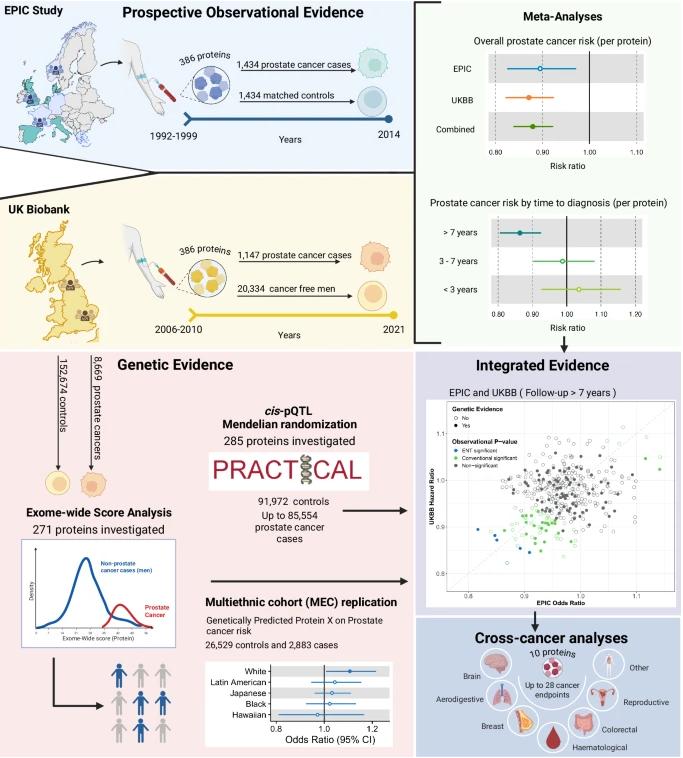
Fig. 1: Summary of observational study design and genetic analysis.
IL-15: A Potential Protective Factor Against Prostate Cancer
One of the strongest findings involved interleukin-15 (IL-15), a cytokine that plays an important role in stimulating and maintaining immune cells involved in anticancer defense.
IL-15 supports the development, survival, and functional activity of natural killer cells and cytotoxic T cells, both of which are essential components of the immune system's ability to recognize and eliminate abnormal cells.
In the combined analysis, higher circulating IL-15 levels were associated with a 14% lower risk of prostate cancer diagnosed more than seven years after blood collection.
Furthermore, among EPIC participants for whom detailed tumor characteristics were available, higher IL-15 concentrations were associated with a 26% lower risk of advanced prostate cancer.
Key findings associated with higher circulating IL-15
| 14% | 26% |
|---|---|
|
Lower prostate cancer risk For diagnoses more than seven years after blood collection |
Lower advanced disease risk In the EPIC cohort with available tumor characteristics |
These are observational associations, not demonstrated risk reductions from increasing IL-15 levels.
Beyond IL-15, higher levels of several other proteins were associated with reduced prostate cancer risk more than seven years after blood collection.
These included FLT3LG, BCL2L11, PGF, CKAP4, and TNFRSF11A.
Together, these findings suggest that multiple immune and cellular regulatory pathways may contribute to protection against prostate cancer long before clinical symptoms or detectable tumors emerge.
Challenging the View of Prostate Cancer as an Immunologically “Cold” Tumor
Prostate cancer has traditionally been regarded as an immunologically “cold” tumor, meaning that established tumors often exhibit relatively limited immune cell infiltration and do not consistently generate strong antitumor immune responses.
However, much of the research supporting this characterization has focused on immune activity after tumors have already formed.
Dr. Mahboubeh Parsaeian, one of the researchers involved in the study, highlighted the importance of examining immune activity at much earlier stages of disease development.
The new findings suggest that the immune system may influence whether prostate cancer develops in the first place, even if the resulting tumors eventually display limited immune responsiveness.
This distinction is particularly important.
Immune mechanisms that prevent the emergence of cancer may differ substantially from those required to eliminate an established tumor.
For example, natural killer cells and cytotoxic T cells can recognize and eliminate certain abnormal cells before they develop into clinically detectable malignancies. If these early surveillance mechanisms are weakened, potentially cancerous cells may have a greater opportunity to survive and expand.
Although the study does not fully explain the biological mechanisms underlying the observed associations, it provides evidence supporting further investigation of early immune surveillance in prostate cancer development.
The findings also raise the possibility that existing drugs capable of modulating relevant immune pathways could eventually be investigated as preventive interventions.
However, whether manipulating these pathways can actually reduce prostate cancer risk in healthy men remains unknown and will require dedicated experimental and clinical studies.
Our Related Proteins


PARP1: A DNA Repair Protein Linked to Increased Prostate Cancer Risk
In addition to identifying potentially protective immune proteins, the study uncovered another promising research direction involving poly(ADP-ribose) polymerase 1 (PARP1).
PARP1 is a key enzyme involved in the detection of DNA damage and the regulation of DNA repair pathways.
Through genetic analyses, the researchers found that men with genetic variants associated with higher PARP1 protein levels had an increased risk of prostate cancer.
Importantly, this association was replicated in an independent multiethnic cohort, strengthening the genetic evidence linking PARP1-related biology to prostate cancer susceptibility.
This finding is particularly interesting because PARP1 is already a clinically relevant therapeutic target.
PARP inhibitors, including olaparib, are used to treat certain prostate cancers, particularly tumors with defects in DNA repair pathways involving genes such as BRCA1 and BRCA2.
These treatments exploit vulnerabilities in the DNA repair machinery of cancer cells, impairing their ability to repair accumulated DNA damage.
However, PARP inhibitors are currently used in selected therapeutic settings rather than as preventive agents for otherwise healthy individuals.
The genetic findings raise an intriguing question: Could a molecular pathway already targeted in established prostate cancer also influence the likelihood of developing the disease?
While this possibility warrants further investigation, the results do not establish that PARP inhibition would safely or effectively prevent prostate cancer.
The relationship between PARP1 activity, normal DNA repair, and cancer susceptibility is complex, and preventive applications would require careful evaluation of potential benefits and risks.
Immune Signals Appear More Than Seven Years Before Diagnosis
One of the most significant aspects of the study is the timing of the observed associations.
Some of the strongest immune-related signals were detected in blood samples collected more than seven years before prostate cancer diagnosis.
This extended interval suggests that the immune system may influence disease susceptibility during a period when cancer is not yet clinically detectable.
Rather than reflecting only the immune response to an existing tumor, these associations may capture biological processes involved in the earliest phases of tumor development.
IL-15 is particularly relevant because of its established role in supporting NK cells and cytotoxic T cells, both of which are thought to participate in the recognition and elimination of abnormal cells.
The findings are consistent with the concept of cancer immunosurveillance, in which immune cells continuously monitor tissues and help control potentially malignant cellular changes.
At the same time, the study cannot conclusively determine when tumor initiation occurred in individual participants or prove that higher IL-15 levels directly prevented cancer.
Nevertheless, identifying immune-related signals many years before diagnosis provides valuable opportunities for studying the biological mechanisms that precede clinically apparent prostate cancer.
The PARP1 findings add another dimension to this emerging picture, suggesting that molecular pathways associated with cancer treatment may also influence disease susceptibility long before diagnosis.
From Molecular Discovery to Prostate Cancer Prevention
The researchers now plan to investigate how the identified proteins interact and whether modifying their activity can influence prostate cancer risk.
A major long-term objective is to translate these findings into preventive strategies through the Prostate Cancer Aetiology and Prevention (PCAP) research program.
This work could help clarify several important questions:
- How do IL-15 and other immune-related proteins influence the earliest stages of prostate cancer development?
- Can strengthening specific immune surveillance pathways reduce the likelihood of tumor initiation?
- Do PARP1 and other genetically implicated proteins represent suitable targets for preventive interventions?
- Can circulating protein profiles help identify individuals who may benefit most from future prevention strategies?
Addressing these questions will require additional mechanistic research, experimental validation, and prospective clinical investigations.
In particular, researchers will need to determine whether the observed protein associations are causally related to cancer risk and whether modifying these pathways produces meaningful preventive benefits without unacceptable adverse effects.
The ultimate goal is to move beyond identifying individuals at increased risk and toward developing interventions capable of reducing that risk.
A New Perspective on Cancer Biology Before Diagnosis
Professor Ruth Travis, another researcher involved in the study, emphasized the growing importance of large, well-characterized prospective cohorts for understanding the biological origins of cancer.
Such studies allow scientists to investigate molecular processes years before diagnosis, providing insights that would be difficult to obtain from analyses of established tumors alone.
By examining hundreds of circulating proteins and integrating the findings with genetic evidence, researchers can begin to identify biological pathways that may help explain why some individuals develop cancer while others do not.
This approach could ultimately improve risk assessment, reveal new preventive targets, and identify critical periods during which interventions may be most effective.
The current study highlights the possibility that the immune system is already working to control emerging cancer cells long before prostate cancer becomes detectable.
Although further research is required to establish the underlying mechanisms and determine their clinical relevance, the findings strengthen the rationale for investigating immune surveillance as a potential component of prostate cancer prevention.
Looking Ahead: Could Cancer Prevention Begin Years Before Detection?
For decades, prostate cancer research has focused primarily on diagnosing tumors earlier and improving treatment once the disease has been identified.
The latest findings suggest that another important opportunity may exist much earlier in the disease process.
Higher levels of IL-15 and other immune-related proteins years before diagnosis may reflect protective biological mechanisms that help limit prostate cancer development.
At the same time, genetic evidence implicating PARP1 and related proteins points toward additional molecular pathways that deserve investigation.
These discoveries do not yet provide a clinically validated method for preventing prostate cancer, nor do they establish IL-15 as a preventive treatment or a ready-to-use screening biomarker.
However, they offer a potentially important direction for future research: understanding how the body's natural defense mechanisms influence cancer risk before the disease becomes apparent.
The broader implication is that effective cancer prevention may one day involve identifying and supporting protective biological processes long before tumors emerge.
By revealing associations between early immune activity and subsequent prostate cancer risk, this research provides new clues about how the human body may naturally suppress the development of malignant cells—and how these mechanisms might eventually be translated into more effective prevention strategies.
Related Products & Services
- Cell and Gene Therapy
- Immune Checkpoint Proteins
- ADC Target Protein
- PROTAC Targets
- Targets of CAR-T Cell Therapy
- Cancer Drug Targets
- Protein Engineering Services
- Protein Interaction Service
- Protein Expression and Purification Services
- Drug Discovery Screening
- Protein Pathway Profiling
Reference
- Parsaeian, M., Chan, W. C., Atkins, J. R., Papier, K., Breeur, M., Desai, T. A., Huang, Z., Ogamba, C. F., Conti, D. V., Bogumil, D., Shen, J., Sim, M. J., Tsilidis, K. K., Yarmolinsky, J., Rinaldi, S., Kaaks, R., Katzke, V., Schulze, M. B., Schiborn, C., . . . Travis, R. C. (2026). Prospective and genetic analyses implicate lower immunosurveillance in the aetiology of prostate cancer. Nature Communications, 17(1), 10698. https://doi.org/10.1038/s41467-026-77378-3