
MNP


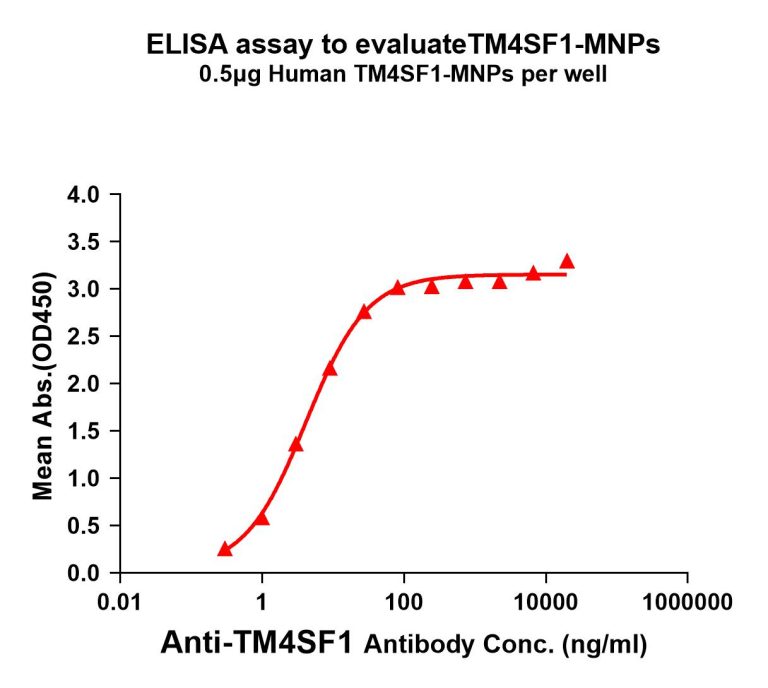
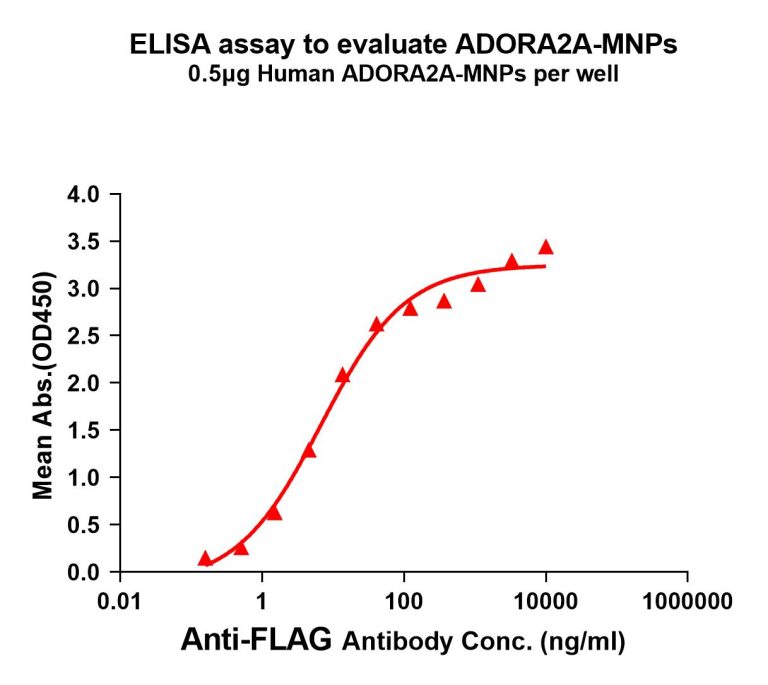
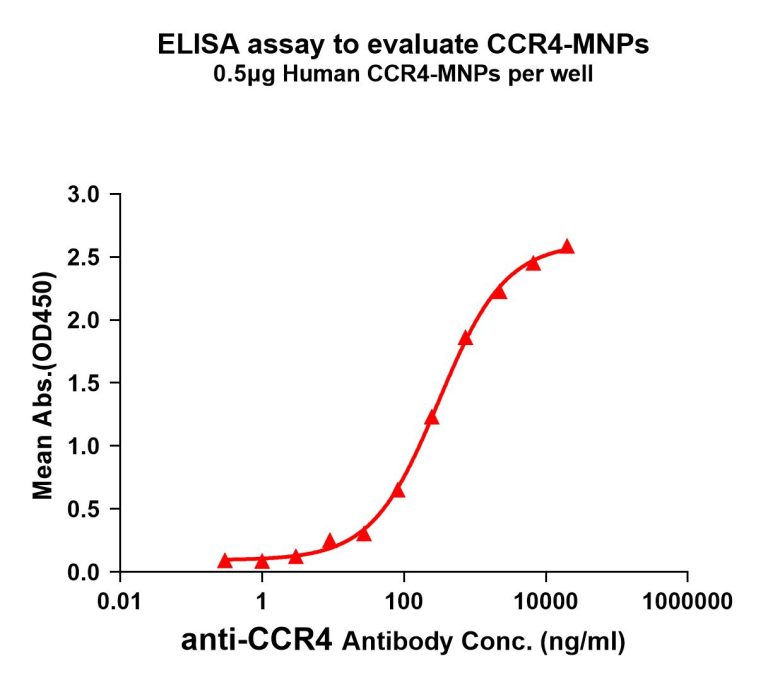
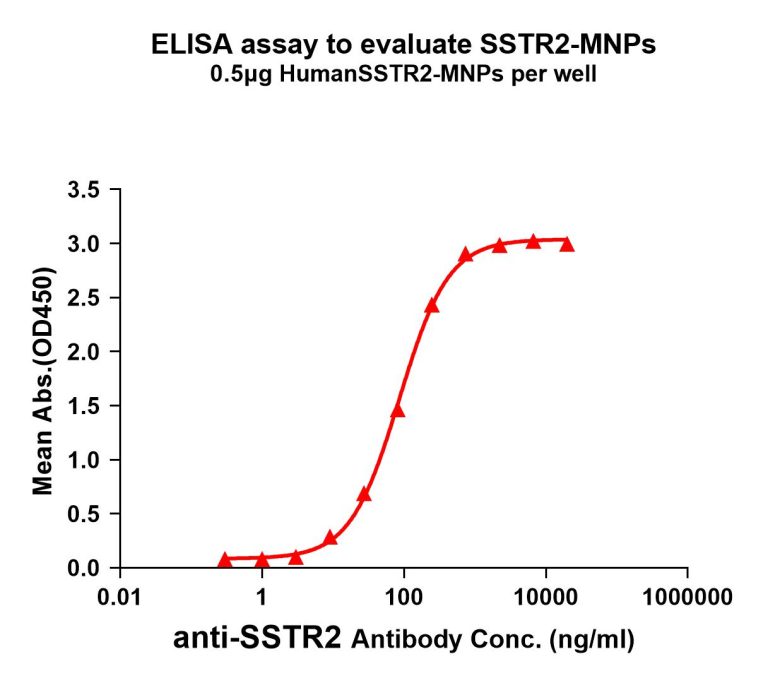
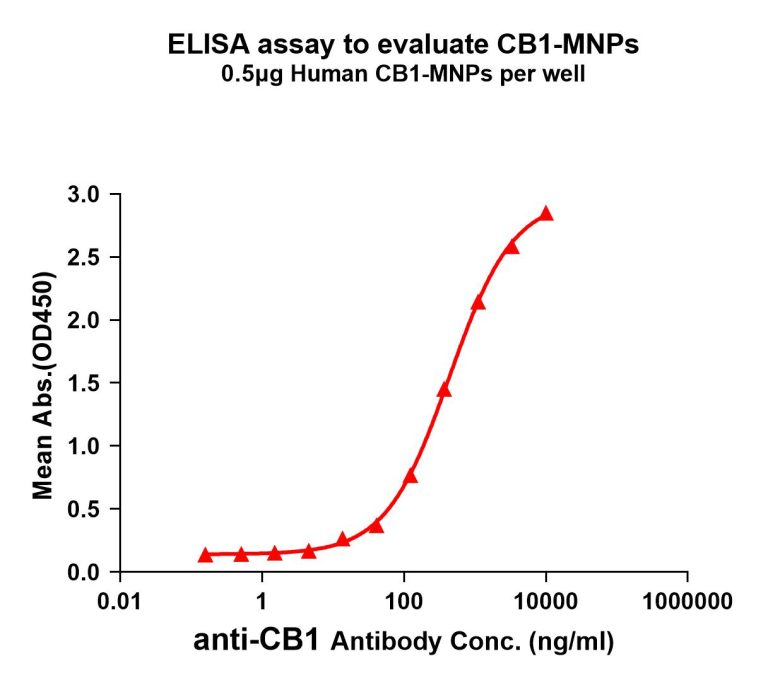
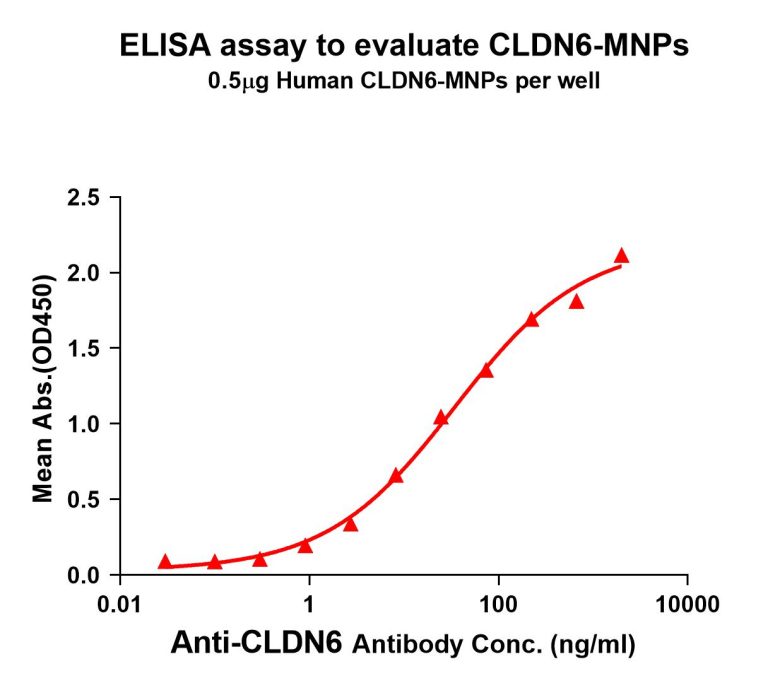
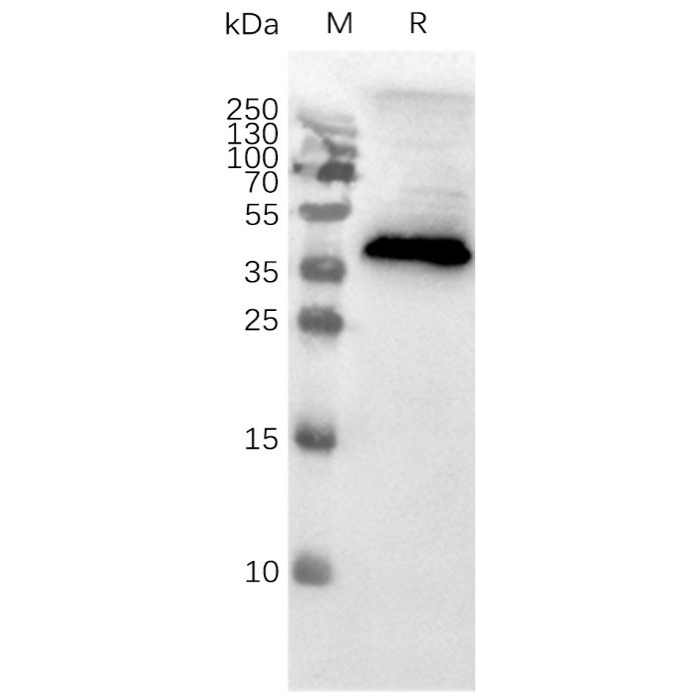



What is MNP?
MNP (Membrane Protein Nanoparticles) is a revolutionary membrane protein display technology developed. It embeds full-length native transmembrane proteins into authentic cell membranes coated on nanoparticle surfaces, perfectly mimicking the physiological protein conformation and lipid microenvironment. Unlike traditional detergent-solubilized proteins, MNP nanoparticles provide a more stable and physiologically relevant membrane protein research tool. Creative BioMart currently offer a series of validated, ready-to-use MNP products targeting key drug targets, with custom development capabilities for virtually any membrane protein of interest.
Core Technology Innovation
| Technical Advantage | MNP Nanoparticles | Traditional Soluble Proteins |
|---|---|---|
| Conformational Fidelity | ⭐⭐⭐⭐⭐ Native membrane environment, intact lipid microdomains | ⭐⭐⭐ Detergent disrupts native conformation |
| Stability | ⭐⭐⭐⭐⭐ Nanoparticle protection, stable for weeks at 4°C | ⭐⭐ Prone to aggregation and degradation, requires -80°C storage |
| Bioactivity | ⭐⭐⭐⭐⭐ Retains native glycosylation and post-translational modifications | ⭐⭐ Incomplete or absent modifications |
| Application Compatibility | ⭐⭐⭐⭐⭐ No detergent required, compatible with cell-based assays | ⭐⭐ Detergent interferes with cellular/in vivo experiments |
| Immunogenicity | ⭐⭐⭐⭐⭐ Closer to in vivo antigen presentation | ⭐⭐ May expose non-native epitopes |
MNP Product Technical Principle
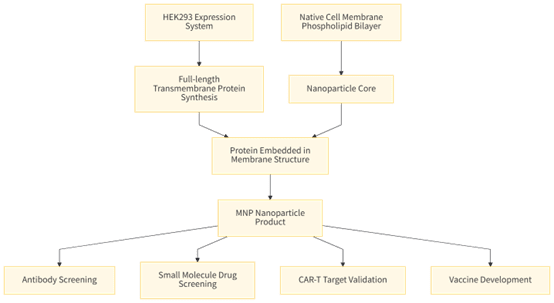
MNP Manufacturing Process Highlights
- Authentic Membrane Extraction: Direct isolation of native membrane components from HEK293 cells, preserving lipid composition and fluidity
- Nanoparticle Coating: Uniform coating of membrane components on biocompatible nanoparticle surfaces (~100-200nm)
- Full-length Protein Embedding: Genetic engineering ensures correct folding and orientation of target membrane proteins in cell membranes
- Detergent-free Process: Complete avoidance of detergent contact, eliminating interference with protein structure
Product Category Navigation
Browse by Target Family:
⭐ GPCR Superfamily
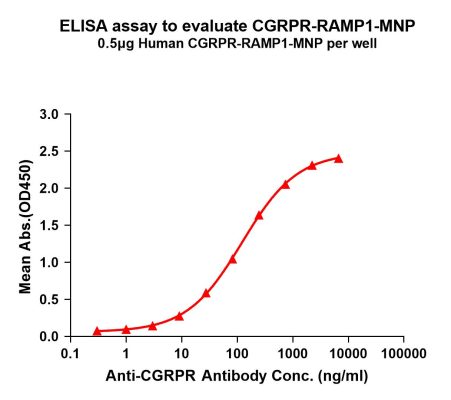
- Class A GPCRs: ADORA2A (Adenosine Receptor), CB1 (Cannabinoid Receptor), CGRPR (Calcitonin Gene-Related Peptide Receptor), TSHR (Thyroid-Stimulating Hormone Receptor)
- Chemokine Receptors: CCR4, CCR7, CCR8
- Somatostatin Receptor: SSTR2
⭐ Ion Channels and Tight Junction Proteins
- CLDN6 (Claudin-6, Tight Junction Protein)
- TM4SF1 (Transmembrane 4 Superfamily Member 1)
⭐ Clinically Important Targets
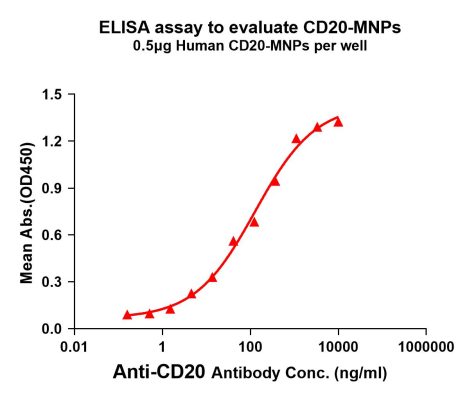
- CD20 (B-cell Lymphoma Target)
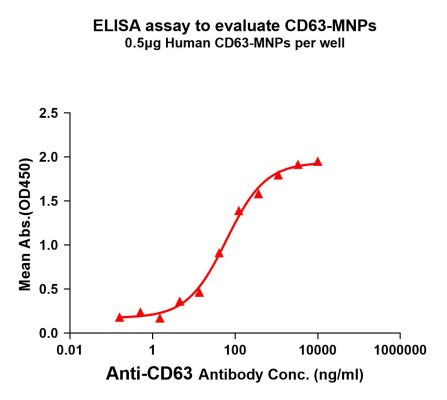
- CD63 (Tetraspanin, Exosome Marker)
MNP Platform Unique Advantages
✅ Maximum Physiological Relevance: Authentic cell membranes coated on nanoparticle surfaces perfectly mimic cell surface microenvironments, ensuring native conformation, oligomeric states, and lipid interactions of membrane proteins
✅ Ready-to-Use Without Optimization: Pre-formed nanoparticles can be directly used in ELISA, FACS, and cell-based assays without complex refolding or detergent screening
✅ Superior Stability: Stable for 4-6 weeks at 4°C, avoiding activity loss from repeated freeze-thaw cycles, inter-batch CV < 10%
✅ Multi-Scenario Application Compatibility:
- Antibody Discovery: As immunogen or screening antigen
- Cell Therapy: CAR-T/scFv affinity validation
- Small Molecule Screening: Binding assays and functional detection
- Vaccine Development: Nanoparticle-enhanced immunogenicity
✅ No Detergent Interference: Suitable for cell-based and in vivo studies that are detergent-sensitive
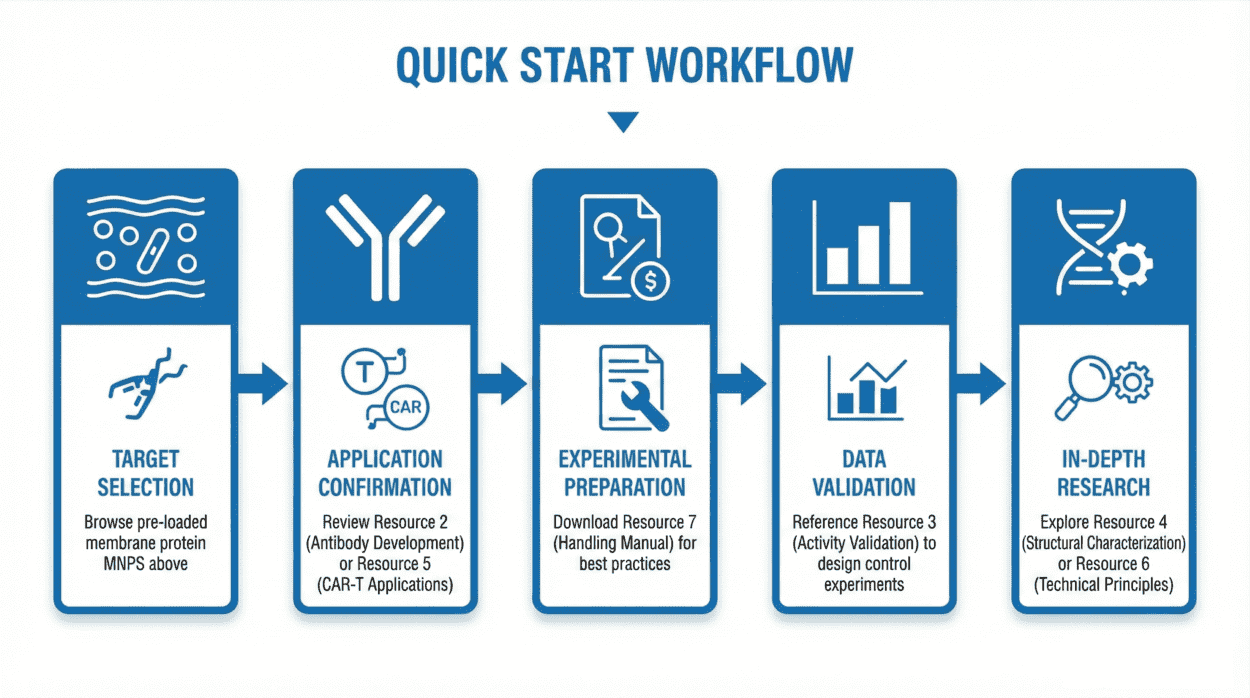
Quick Start Workflow
Step 1: Target Selection → Browse pre-loaded membrane protein MNPs above.
Step 2: Application Confirmation → Review Resource 2 (Antibody Development) or Resource 5 (CAR-T Applications)
Step 3: Experimental Preparation → Download Resource 7 (Handling Manual) for best practices
Step 4: Data Validation → Reference Resource 3 (Activity Validation) to design control experiments
Step 5: In-Depth Research → Explore Resource 4 (Structural Characterization) or Resource 6 (Technical Principles)
Related Products and Services
Resource
-
Unlocking Drug Targets with Membrane Protein Nanoparticles!
-
Membrane Protein Platforms: 6-Way Showdown!
-
Mastering Membrane Protein Platforms in 3 Minutes!