

Protocol of Ionic Detergents Isolate Membrane Protein: Step-by-Step Implementation
Complete Workflow from Cells to Pure Protein
Stage A: Membrane Preparation
- Cell harvest: Centrifuge at 5,000×g, 4°C, 10 min
- Lysis: French press at 15,000 psi or sonication (3×30 sec bursts)
- Membrane enrichment: 100,000×g ultracentrifugation for 1 hour
- Wash: Resuspend pellet in 50 mM Tris pH 8.0, 150 mM NaCl, repeat centrifugation
- Quantify: Bradford assay, target 5-10 mg/mL membrane protein
Stage B: Detergent Screening (24-well format)
- Prepare stocks: 10× concentrated detergents in same buffer
- Dispense: 95 μL membrane suspension + 5 μL detergent stock per well
- Incubate: 30 min at 4°C with gentle mixing
- Clarify: Microcentrifuge at 20,000×g for 20 min
- Assess:
- Soluble yield: SDS-PAGE of supernatant
- Activity: Ligand binding or functional assay
- Select best condition: Target >50% extraction, >60% activity retention
Stage C: Scale-Up Solubilization
- Transfer optimal condition: Scale to 10-50 mL
- Incubation: 30-60 min at 4°C with stirring
- Ultracentrifuge: 100,000×g for 45 min
- Recovery: Collect supernatant carefully, avoid lipid layer
Stage D: Affinity Purification (IMAC Example)
- Column equilibration: 5 CV of buffer A (50 mM Tris pH 8.0, 150 mM NaCl, 0.1% optimal detergent)
- Sample loading: Supernatant at 0.5-1 mL/min flow rate
- Washing: 10-15 CV buffer A to remove unbound detergent
- Elution: Gradient to buffer B (buffer A + 250 mM imidazole)
- Peak collection: Monitor A₂₈₀, pool fractions
Stage E: Detergent Exchange (if needed)
- Concentration: Amicon Ultra 100 kDa MWCO to <2 mL
- Exchange buffer: 50 mM Tris pH 8.0, 0.05% DDM (target mild detergent)
- Repeated dilution/concentration: 3× cycles to achieve >95% exchange
- Final concentrate: 0.5-2 mL at 1-5 mg/mL
Stage F: Polishing SEC
- Column preparation: Superdex 200 Increase 10/300 GL, equilibrate with 2 CV SEC buffer (50 mM Tris pH 8.0, 150 mM NaCl, 0.05% DDM)
- Injection: 0.5 mL sample
- Elution: 0.5 mL/min flow rate, collect 0.5 mL fractions
- Analysis: SDS-PAGE every other fraction, pool monodisperse peak
Stage G: Quality Control
- Concentration: A₂₈₀ measurement, calculate yield
- Purity: SDS-PAGE with Coomassie staining, target >95%
- Monodispersity: DLS measurement, target polydispersity <15%
- Activity: Functional assay (binding, transport, catalysis)
- Stability: Thermal shift assay, measure Tm
Expected Timeline
- Day 1: Membrane prep, screening setup
- Day 2: Scale-up solubilization, IMAC
- Day 3: Detergent exchange, SEC
- Day 4: QC and activity assays
Total hands-on time: 12-16 hours over 4 days
Troubleshooting: Comprehensive Problem-Solving Guide
| Problem | Potential Cause | Diagnostic Test | Solution |
|---|---|---|---|
| No protein in supernatant | Detergent concentration too low | Pilot with 5×CMC | Increase detergent or add chaotrope (2 M urea) |
| Protein in insoluble aggregates | SDS-PAGE of pellet | Try mixed detergents or sonication | |
| Protein doesn't bind IMAC | Detergent strips His-tag | Western blot tag integrity | Reduce detergent or add 10 mM imidazole during solubilization |
| Charge interference from anionic detergent | Test binding in non-ionic | Dilute sample 10-fold or add 100 mM NaCl | |
| Multiple SEC peaks | Aggregation | DLS of peak fractions | Add stabilizers (glycerol, arginine) or reduce concentration |
| Lipid contamination | Lipid stain of SDS-PAGE | Increase wash stringency or add lipid removal step | |
| Activity loss >50% | Over-solubilization | Time-course assay | Reduce incubation time and temperature |
| Essential lipid removal | Add back lipids | Supplement solubilization buffer with 0.1% synthetic lipids | |
| Oxidative damage | Check for free cysteines | Add 1-5 mM TCEP or DTT throughout | |
| CTAB precipitation | High ionic strength | Conductivity measurement | Reduce NaCl to <50 mM or switch to DTAB |
| Temperature fluctuation | Visual inspection | Maintain strictly at 4°C, avoid freeze-thaw |
Related Products & Services
Resources
-
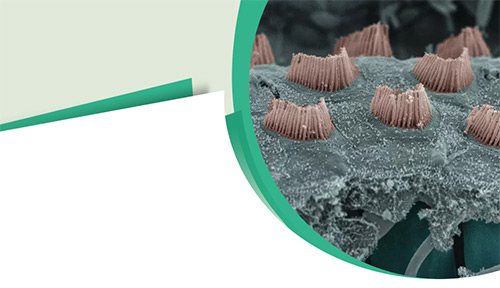
Enhance Your Biomedical Research With Our High Quality Transmembrane Proteins
-
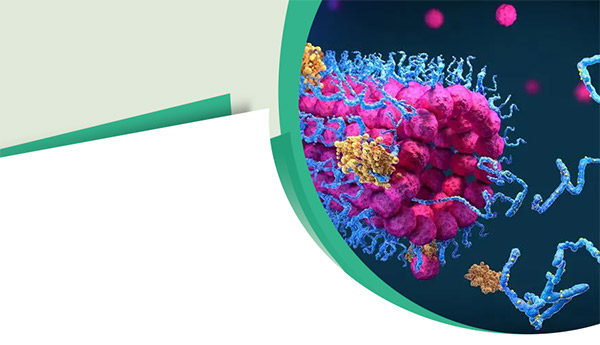
Transmembrane Protein
-
Mastering Membrane Protein Purification: The Detergent Dilemma
-
Picking the Perfect Detergent for Membrane Proteins
-
Master Detergent Selection in 60 Seconds

Contact us or send an email at for project quotations and more detailed information.
Quick Links
-

Papers’ PMID to Obtain Coupon
Submit Now -

Refer Friends & New Lab Start-up Promotions