

Active Recombinant Human CTSC protein, His-tagged
| Cat.No. : | CTSC-2509H |
| Product Overview : | Active Recombinant Human CTSC protein(NP_001805.3) (Met 1-Leu 463) was expressed in HEK293 with a polyhistidine tag at the C-terminus. |
| Availability | October 04, 2026 |
| Unit | |
| Price | |
| Qty |
- Specification
- Gene Information
- Related Products
- Case Study
- Application
- Download
| Species : | Human |
| Source : | HEK293 |
| Tag : | His |
| Protein Length : | 1-463 aa |
| Form : | Lyophilized from sterile PBS, pH 7.4. |
| Bio-activity : | Measured by its ability to cleave the fluorogenic peptide substrate, Gly-Arg-7-amido-4-methylcoumarin (GRAMC). The specific activity is >200 pmoles/min/μg. |
| Molecular Mass : | The secreted recombinant human cathepsin C exists as the pro form after removal of the signal peptide. It consists of 450 amino acids and has a predicted molecular mass of 51 kDa. In SDS-PAGE under reducing conditions, the apparent molecular mass of rhCTSC is approximately 55 kDa. |
| Endotoxin : | < 1.0 EU per μg protein as determined by the LAL method. |
| Purity : | > 92 % as determined by SDS-PAGE |
| Storage : | Store it under sterile conditions at -20°C to -80°C upon receiving. Recommend to aliquot the protein into smaller quantities for optimal storage. Avoid repeated freeze-thaw cycles. |
| Reconstitution : | It is recommended that sterile water be added to the vial to prepare a stock solution of 0.2 ug/ul. Centrifuge the vial at 4°C before opening to recover the entire contents. |
| Gene Name | CTSC cathepsin C [ Homo sapiens ] |
| Official Symbol | CTSC |
| Synonyms | CTSC; cathepsin C; PALS, PLS; dipeptidyl peptidase 1; DPP1; cathepsin J; dipeptidyl peptidase I; dipeptidyl transferase; dipeptidyl-peptidase I; JP; HMS; JPD; PLS; CPPI; DPPI; PALS; DPP-I; |
| Gene ID | 1075 |
| mRNA Refseq | NM_001114173 |
| Protein Refseq | NP_001107645 |
| MIM | 602365 |
| UniProt ID | P53634 |
| ◆ Recombinant Proteins | ||
| CTSC-05M | Active Recombinant Mouse CTSC Protein, His-tagged | +Inquiry |
| CTSC-12748Z | Recombinant Zebrafish CTSC | +Inquiry |
| CTSC-2333HF | Recombinant Full Length Human CTSC Protein, GST-tagged | +Inquiry |
| Ctsc-001M | Active Recombinant Mouse Ctsc Protein, His-tagged | +Inquiry |
| CTSC-2509H | Active Recombinant Human CTSC protein, His-tagged | +Inquiry |

| ◆ Cell & Tissue Lysates | ||
| CTSC-3024HCL | Recombinant Human CTSC cell lysate | +Inquiry |
Case 1: Lu F, et al. Bioengineered. 2022
Cathepsin C, elevated in preeclampsia, activates p38 MAPK/NF-κB signaling, exacerbating endothelial dysfunction. In H/R-injured HUVECs, cathepsin C silencing reduced oxidative stress, improved cell viability, and enhanced angiogenesis by suppressing this pathway, while p38 activation reversed these effects. This highlights cathepsin C’s role in PE pathogenesis via p38/NF-κB-mediated endothelial damage, offering insights for therapeutic targeting.
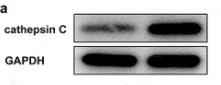
Fig1. Western blot assay was employed to detect cathepsin C expression.
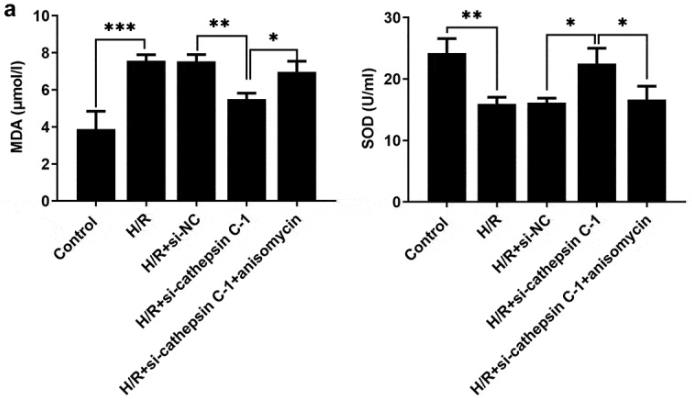
Fig2. MDA assay kit and SOD assay kit were employed to detect MDA and SOD levels.
Case 2: Yu J, et al. Redox Biol. 2024
In lung ischemia/reperfusion injury, Cathepsin C (CTSC) from alveolar macrophages drives NETosis via NADPH oxidase/ROS and p38 MAPK activation, exacerbating primary graft dysfunction. CTSC enhances membrane proteinase 3 activity, amplifying NET-related inflammation. Targeting CTSC inhibits ROS-driven NETosis, reducing transplant injury. This reveals CTSC’s role in neutrophil extracellular trap formation and offers therapeutic strategies for improving lung transplant outcomes.
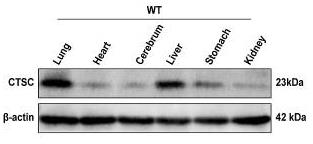
Fig1. Protein levels of CTSC in various murine tissues were detected using western blot.
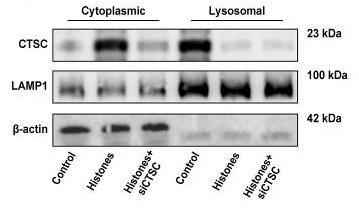
Fig2. Protein levels of CTSC in the cytoplasm and lysosome of MH-S cells treated with extracellular histones and siCTSC.
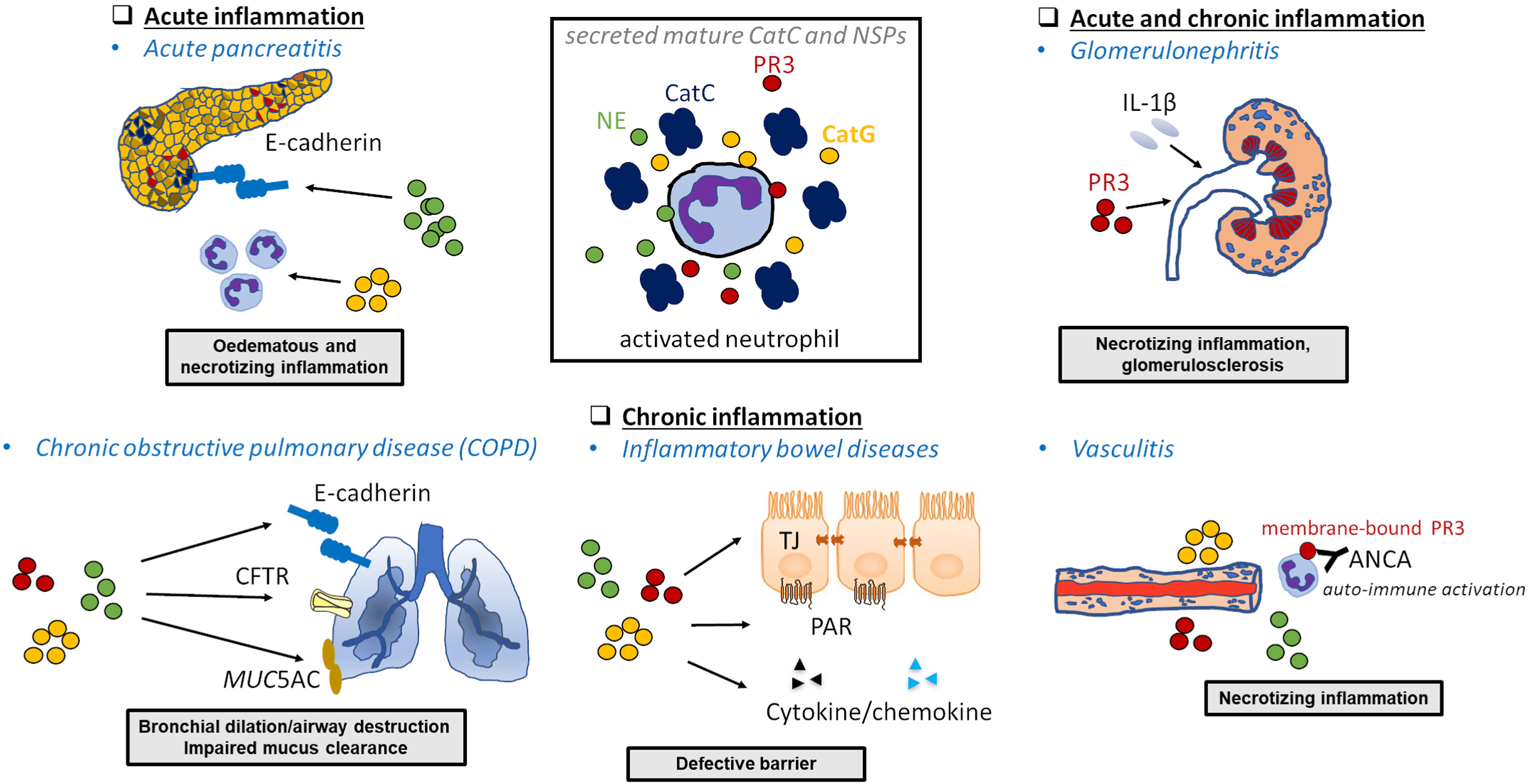
Fig1. Pro-inflammatory functions of CatC in different acute and chronic diseases. (Ali A Aghdassi, 2024)

Not For Human Consumption!
Inquiry
- Reviews (0)
- Q&As (0)


Ask a Question for All CTSC Products
Required fields are marked with *
My Review for All CTSC Products
Required fields are marked with *
Recently Viewed