

Recombinant Full Length Chemotaxis Protein Laft(Laft) Protein, His-Tagged
| Cat.No. : | RFL15402VF |
| Product Overview : | Recombinant Full Length Chemotaxis protein LafT(lafT) Protein (Q03477) (1-285aa), fused to N-terminal His tag, was expressed in E. coli. |
- Specification
- Gene Information
- Related Products
- Case Study
- Application
- Download
| Species : | Vibrio Parahaemolyticus Serotype O3:K6 |
| Source : | E.coli |
| Tag : | His |
| Protein Length : | Full Length (1-285) |
| Form : | Lyophilized powder |
| AA Sequence : | MQKFLGVLTILVCVFGGYMWAGGKLGAIWQPAEFLIIIGAAAGSLIIGNPPHVLKEMRQQ VPATIKGPTEEYEYYMELMALLNNLLETARSRGFKFLDSHIEAPEQSSIFLMYPLVSEDH RLISFITDNLRLMAMGQMSPHELEGLLEQEIEAIQNELLLPSRSLQRTAEALPGFGILAA VGGIIITMQAIDGSIALIGYHVAAALVGTFIGIFGCYCGLDPLSNAMAQRVKRNMTAFEC VRATLVAYVAKKPTLLAIDAGRKHIQLDIKPTFNQMEKWLAEQEG |
| Purity : | Greater than 90% as determined by SDS-PAGE. |
| Applications : | SDS-PAGE |
| Notes : | Repeated freezing and thawing is not recommended. Store working aliquots at 4°C for up to one week. |
| Storage : | Store at -20°C/-80°C upon receipt, aliquoting is necessary for mutiple use. Avoid repeated freeze-thaw cycles. |
| Storage Buffer : | Tris/PBS-based buffer, 6% Trehalose, pH 8.0 |
| Reconstitution : | We recommend that this vial be briefly centrifuged prior to opening to bring the contents to the bottom. Please reconstitute protein in deionized sterile water to a concentration of 0.1-1.0 mg/mL.We recommend to add 5-50% of glycerol (final concentration) and aliquot for long-term storage at -20℃/-80℃. Our default final concentration of glycerol is 50%. Customers could use it as reference. |
| Gene Name | lafT |
| Synonyms | lafT; VPA1556; Chemotaxis protein LafT |
| UniProt ID | Q03477 |
Case 1: O'Neal L, et al. mBio. 2019
Chemotactic bacteria like Azospirillum brasilense use multiple signaling systems to control movement, which are orchestrated by different membrane-bound chemoreceptors. These receptors, with varying cytoplasmic domains, form distinct arrays at the cell poles, facilitated by chemotaxis coupling proteins (CheW) and histidine kinases (CheA). A. brasilense coordinates its chemotaxis by producing two separate receptor arrays, mixing paralogs in the baseplates. The coordination mechanism involves physical interactions between chemotaxis proteins (CheA and CheW) from different systems (Che1 and Che4), suggesting a widespread strategy for integrating signaling pathways, possibly due to horizontal gene transfer.
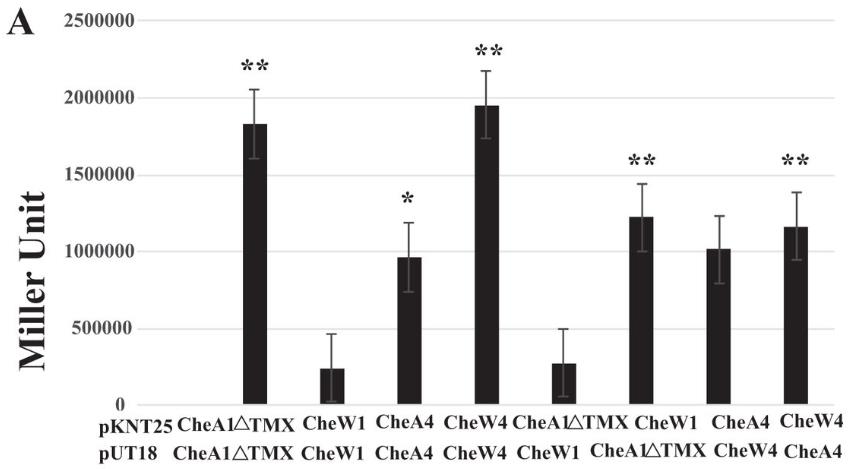
Fig1. Interactions between chemotaxis proteins encoded by the same operon.
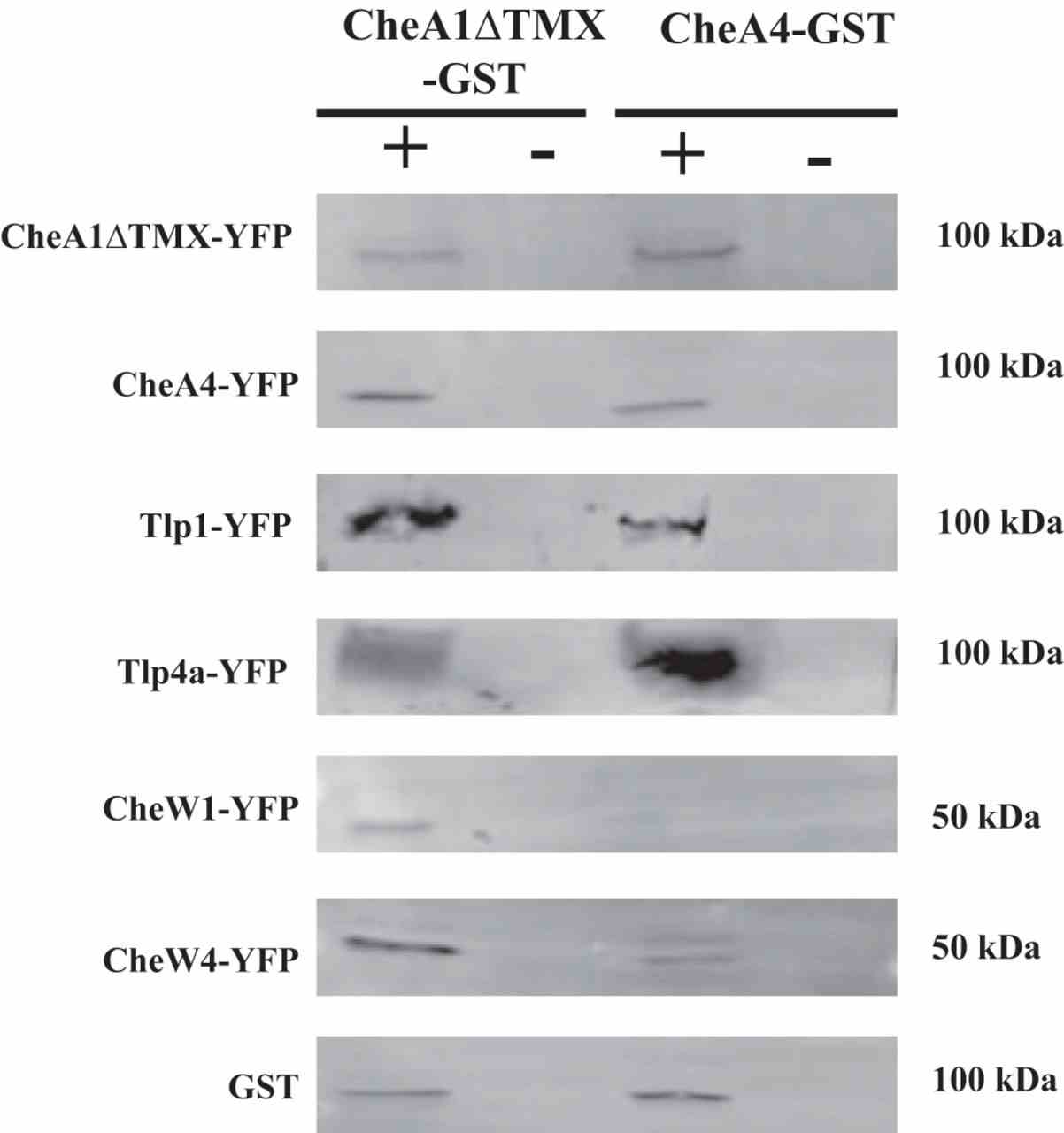
Fig2. Interaction of chemotaxis proteins in pulldown assays.
Case 2: Zhang P, et al. Proc Natl Acad Sci U S A. 2007
In bacterial chemotaxis, signal transduction begins with ligands binding to methyl-accepting chemoreceptors. These receptors, along with CheA and CheW, form complexes that cluster in specific cell regions. Cryo-electron tomography reveals that in E. coli, these complexes create extended lattices, varying in size and location across cells. Without CheA and CheW, receptors fail to cluster and disperse at the cell pole. High receptor levels can lead to nonfunctional assemblies and membrane invaginations, but functional arrays can be restored by elevating CheA and CheW levels.
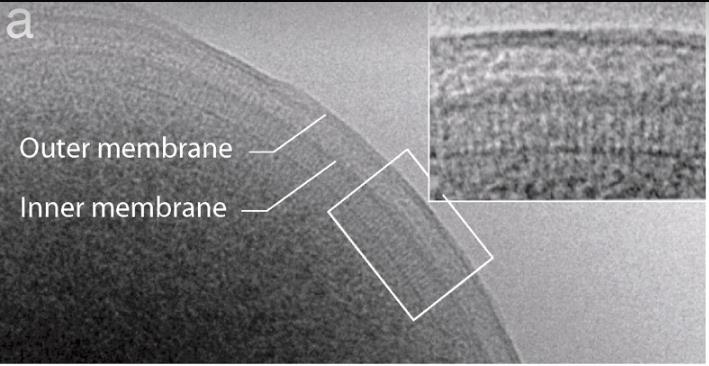
Fig1. Schematic representation of the polar region of wild-type E. coli cells illustrating the assembly and orientation of the chemotaxis receptor array.
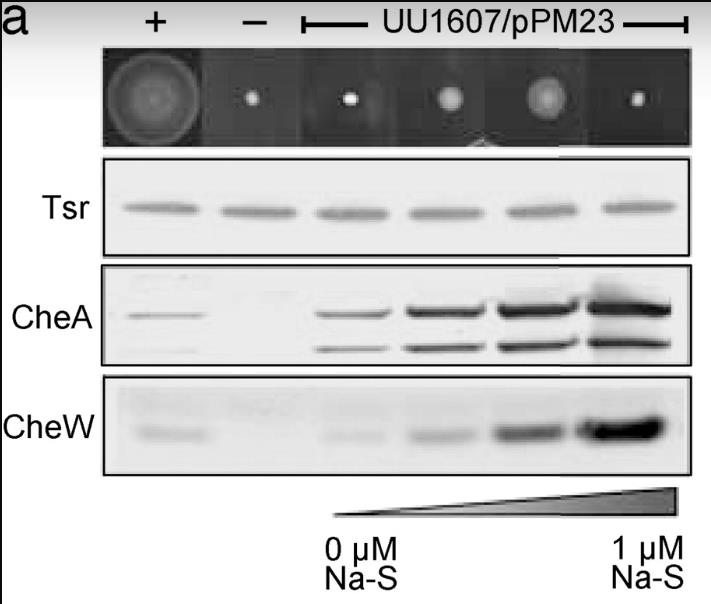
Fig2. Cells with wild-type levels of Tsr, CheA, and CheW display classical swarming behavior, which is absent in cells lacking CheA and CheW.
Recombinant full-length Chemotaxis Protein Laft (Chemotaxis Protein Laft) is a protein with unique structure and function prepared by genetic engineering technology and belongs to the chemotaxis protein family. It mainly regulates the chemotaxis of leukocytes and participates in physiological processes such as immune response and inflammatory response. In practical applications, Laft protein has a wide range of prospects, including immune regulation, inflammation control, tumor therapy and drug development.
Immunomodulation: Laft protein, as a chemokine, can regulate the migration and activation of immune cells, thereby affecting the occurrence and development of immune responses. In the treatment of immune-related diseases, such as autoimmune diseases, allergic diseases, Laft protein may have potential application value.
Inflammation control: Inflammation is a defensive response of the body to external stimuli, but excessive inflammation can lead to tissue damage and disease. Laft protein can control the extent and range of inflammatory response to a certain extent by regulating the chemotaxis of leukocytes.
Tumor therapy: The occurrence and development of tumors are closely related to immune escape, and Laft protein, as an immunomodulator, may inhibit tumor growth and spread by enhancing the activity of immune cells. In addition, the Laft protein can also be used in combination with other anti-tumor drugs to improve the therapeutic effect.
Drug development: Drug development based on Laft proteins is a promising area. By modifying or optimizing the structure of Laft proteins, drug molecules with higher activity and selectivity can be developed. These drug molecules can be used to treat a variety of diseases, such as infectious diseases, immune diseases, tumors, etc.
Clinical diagnosis: The expression level of Laft protein and its receptors changes in many disease states, so it can be used as a biomarker for clinical diagnosis. By measuring the levels of the Laft protein and its receptors in patients, it could help doctors more accurately diagnose the disease and develop treatment plans.
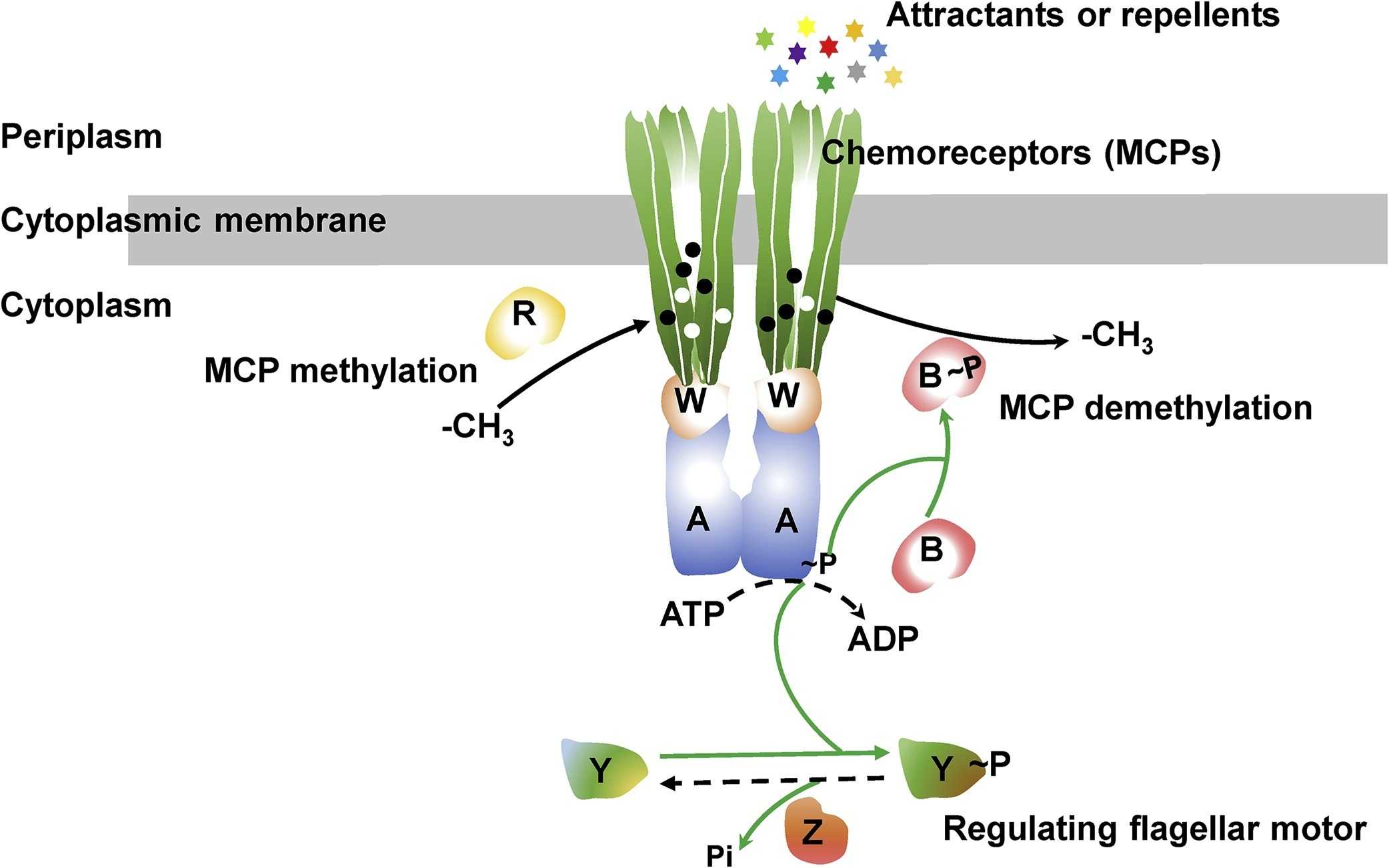
Fig1. Chemotaxis signal transduction pathway of E. coli. (Zhiwei Huang, 2019)

Not For Human Consumption!
Inquiry
- Reviews (0)
- Q&As (0)


Ask a Question for All lafT Products
Required fields are marked with *
My Review for All lafT Products
Required fields are marked with *
Recently Viewed