

CD39-CD73 Adenosine Pathway in the Tumor Microenvironment
Table of Contents
- What Is the CD39-CD73-Adenosine Axis?
- Extracellular ATP as an Immune Signal
- How CD39 and CD73 Generate Adenosine
- Adenosine Receptors and Immune Suppression
- CD39/CD73 in the Tumor Microenvironment
- Effects on T Cells, NK Cells and Myeloid Cells
- Therapeutic Strategies Under Investigation
- Assays for CD39 and CD73
- Selecting Recombinant CD39/CD73 Proteins
What Is the CD39-CD73-Adenosine Axis?
CD39 and CD73 are cell-surface ectonucleotidases that help regulate extracellular nucleotide metabolism.
CD39 converts ATP and ADP toward AMP.
CD73 converts AMP to adenosine.
The resulting adenosine can bind cell-surface adenosine receptors and suppress multiple immune functions.
Unlike many CD antigens, CD39 and CD73 are not simply lineage markers or receptor ligands. Their enzymatic activity directly changes the chemical composition of the extracellular microenvironment.
This makes the pathway an important example of metabolic immune regulation.
Extracellular ATP as an Immune Signal
ATP is best known as an intracellular energy carrier.
When released into the extracellular space after cell stress, injury or death, ATP can function as a danger-associated signal.
Extracellular ATP can activate purinergic receptors and promote inflammatory responses.
Tumors often contain high levels of cellular stress, hypoxia and cell death, creating conditions in which extracellular nucleotide metabolism becomes particularly important.
How CD39 and CD73 Generate Adenosine
The pathway can be summarized as:
ATP / ADP → CD39 → AMP → CD73 → Adenosine
CD39 is also known as ENTPD1.
CD73 is also known as NT5E.
By sequentially removing phosphate groups, these enzymes shift the environment away from ATP-rich danger signaling and toward adenosine-rich immune regulation.
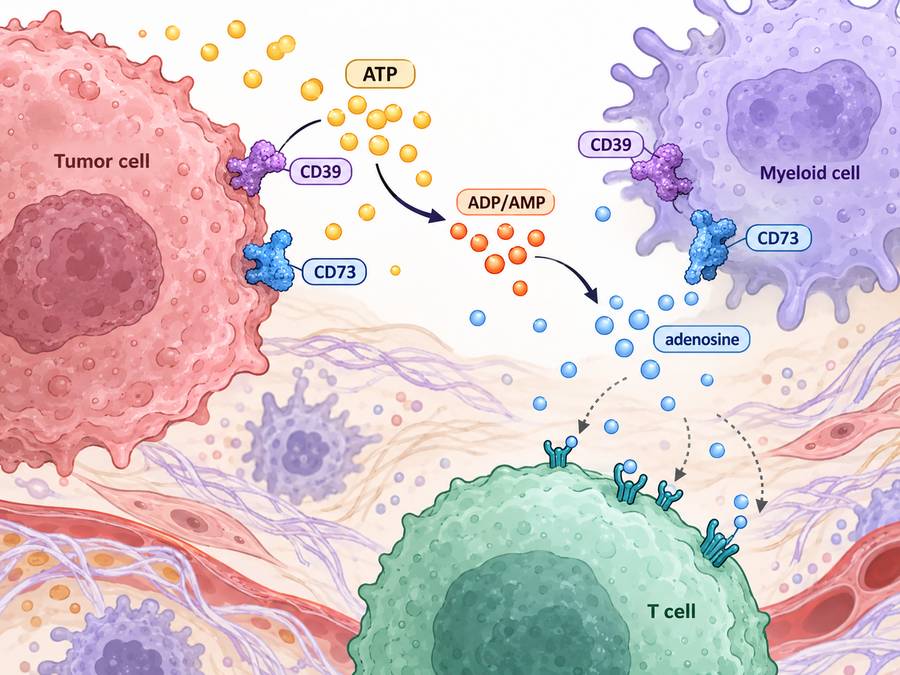 Fig 1. Extracellular ATP-to-Adenosine Conversion
Adenosine Receptors and Immune Suppression
Adenosine signals through four G-protein-coupled receptor families:
- A1;
- A2A;
- A2B;
- A3.
The A2A and A2B receptors are especially relevant to tumor immunology.
A2A receptor signaling can increase intracellular cyclic AMP in lymphocytes and suppress activation pathways.
Potential consequences include reduced:
- T-cell receptor signaling;
- cytokine production;
- cytotoxicity;
- NK-cell activity.
Adenosine signaling can also influence regulatory T cells, myeloid cells and stromal populations.
CD39/CD73 in the Tumor Microenvironment
CD39 and CD73 may be expressed by different cell types within a tumor.
These include:
- cancer cells;
- regulatory T cells;
- exhausted or chronically stimulated lymphocytes;
- endothelial cells;
- stromal cells;
- myeloid cells.
This distributed expression means adenosine production may not be controlled by one cell population.
Hypoxia can further support adenosinergic signaling, contributing to a self-reinforcing immunosuppressive environment.
| Component | Main Role |
|---|---|
| Extracellular ATP | Stress/danger signal |
| CD39 | ATP/ADP → AMP |
| CD73 | AMP → adenosine |
| A2A receptor | Strong immunoregulatory signaling in lymphocytes |
| A2B receptor | Relevant to myeloid/stromal regulation |
Effects on T Cells, NK Cells and Myeloid Cells
T Cells
Elevated adenosine can reduce T-cell proliferation, cytokine production and cytotoxic activity.
NK Cells
NK-cell activation and killing can also be impaired.
Regulatory T Cells
Regulatory T cells may contribute to extracellular adenosine production through CD39/CD73-related pathways.
Myeloid Cells
Adenosine can shape macrophage and myeloid-cell phenotypes in ways that may support immunosuppression.
This multi-cellular effect is one reason the pathway is increasingly studied as a metabolic checkpoint.
Explore Our CD Antigen Products
Learn More
Therapeutic Strategies Under Investigation
Anti-CD39 Antibodies
These may inhibit nucleotide hydrolysis and preserve pro-inflammatory extracellular ATP.
Anti-CD73 Antibodies
These can reduce conversion of AMP to adenosine.
Small-Molecule Enzyme Inhibitors
Chemical inhibitors can directly target catalytic activity.
Adenosine-Receptor Antagonists
Instead of preventing adenosine generation, these approaches block downstream sensing.
Combination Strategies
CD39/CD73 pathway modulation is frequently studied with PD-1/PD-L1 blockade and other immunotherapies.
The rationale is that metabolic and receptor-based immune suppression may operate in parallel.
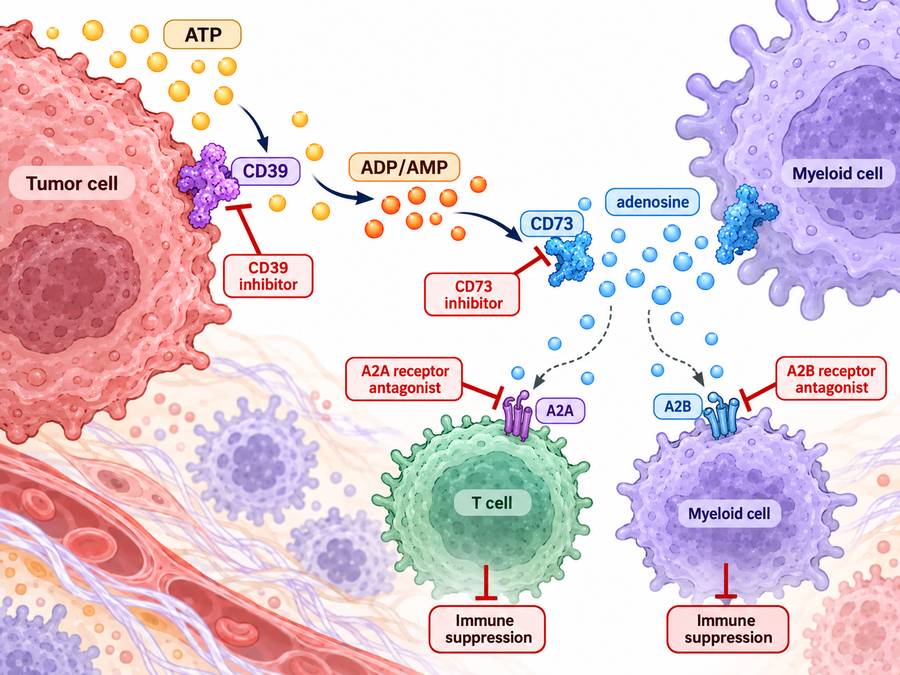 Fig 2. Therapeutic Intervention Points in the Adenosine Axis
Assays for CD39 and CD73
Unlike a conventional receptor study, enzyme-focused work requires measurement of catalytic activity.
| Assay | Purpose |
|---|---|
| Antibody-binding assay | Confirm target recognition |
| ATP/ADP hydrolysis | Measure CD39 activity |
| AMP conversion | Measure CD73 activity |
| Inhibitor dose-response | Measure biochemical inhibition |
| Adenosine quantification | Measure pathway output |
| Immune-cell assay | Determine functional consequence |
Protein quality should therefore include more than concentration and purity.
For active recombinant enzymes, demonstrated biochemical activity is especially important.
Selecting Recombinant CD39/CD73 Proteins
Active recombinant CD antigen proteins can support enzyme-inhibitor screening, antibody development and mechanistic studies.
Important variables include:
- extracellular-domain boundaries;
- oligomerization;
- expression system;
- glycosylation;
- tag;
- catalytic activity.
An Fc fusion may be convenient for antibody-binding studies but can alter oligomeric presentation.
A smaller tag can be more appropriate when enzyme kinetics are the primary endpoint.
Biotinylated proteins can support high-throughput binding screens.
For cross-species programs, human and animal CD antigen reagents allow direct comparison of candidate potency.
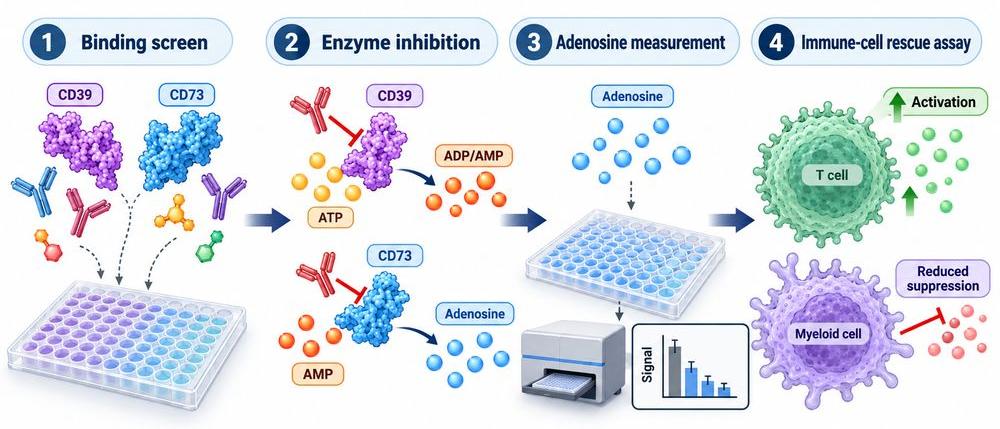 Fig 3. Integrated CD39/CD73 Screening Workflow
Why are CD39 and CD73 considered emerging immune checkpoints?
They regulate a biochemical pathway that converts extracellular ATP into adenosine. Adenosine suppresses T-cell, NK-cell and other immune functions through purinergic receptors. Blocking CD39, CD73 or adenosine signaling is therefore being investigated as a way to reduce metabolic immune suppression in tumors.
Resource
-
From CD Markers to Immune Maps: A New Era in Immunology
-
The CD Map Is Still Growing: New CD Molecules and HLDA11
-
Antigen Density: Beyond CD-Positive
-
Spatial CD Biology: Why Location Matters in the Tumor Microenvironment
-
Logic-Gated CAR-T: Revolutionizing Cancer Therapy
-
Cluster of Differentiation
References
- Allard B, Longhi MS, Robson SC, Stagg J. The Ectonucleotidases CD39 and CD73: Novel Checkpoint Inhibitor Targets. Immunol Rev. 2017;276(1):121–144. doi:10.1111/imr.12528.
- Liu X, Ding Q, Zhang H, et al. The CD39-CD73-Adenosine Axis: Master Regulator of Immune Evasion and Therapeutic Target in Pancreatic Ductal Adenocarcinoma. Biochim Biophys Acta Rev Cancer. 2025;1880(5):189443. doi:10.1016/j.bbcan.2025.189443.
- Yin X, Yang Y, Liu S. Cancer Immunotherapy by Adenosinergic CD39 and CD73 as Emerging Immune Checkpoints. Discover Oncology. 2025;16:2153. doi:10.1007/s12672-025-04001-0.
- Stagg J, Divisekera U, McLaughlin N, et al. Anti-CD73 Antibody Therapy Inhibits Breast Tumor Growth and Metastasis. Proc Natl Acad Sci USA. 2010;107(4):1547–1552. doi:10.1073/pnas.0908801107.

Contact us or send an email at for project quotations and more detailed information.
Quick Links
-

Papers’ PMID to Obtain Coupon
Submit Now -

Refer Friends & New Lab Start-up Promotions