

B Cell CD Markers: From Immunophenotyping to Therapeutic Targets
Table of Contents
- B Cell CD Markers at a Glance
- CD Markers Across B Cell Development
- CD19 and CD20 as Core B Cell Markers
- CD79A and CD79B in B Cell Receptor Signaling
- CD22, CD27, CD38 and Other Useful B Cell Markers
- B Cell Marker Panels for Immunophenotyping
- CD Markers in B Cell Malignancies
- B Cell CD Antigens as Therapeutic Targets
- Recombinant CD Antigens for B Cell Research
- Practical Considerations for Marker and Reagent Selection
B Cell CD Markers at a Glance
B cells cannot be defined reliably by a single surface molecule throughout their entire life cycle. Their phenotype changes as hematopoietic progenitors commit to the B lineage, immature B cells leave the bone marrow, naïve cells populate secondary lymphoid tissues, antigen-experienced cells enter germinal-center reactions, and differentiated cells become memory B cells or antibody-secreting plasma cells.
For this reason, B cell immunophenotyping relies on combinations of CD antigens rather than a single universal marker. CD19 and CD20 are among the most familiar lineage-associated proteins, but CD22, CD27, CD38, CD79A, CD79B, CD74 and other markers provide additional information about maturation, activation and function.
Explore Our CD Antigen Products
Learn More
| Marker | Major Biological Association | Common Research Use |
|---|---|---|
| CD19 | Broad B-lineage marker and BCR co-receptor | B cell identification, cell therapy research |
| CD20 | Mature B cells | Immunophenotyping and antibody-target studies |
| CD22 | Mature B cells, inhibitory BCR regulation | B cell signaling and therapeutic targeting |
| CD27 | Memory-associated B cell populations | Differentiation and memory studies |
| CD38 | Activated B cells, plasmablasts and plasma cells | Activation and maturation profiling |
| CD74 | MHC class II invariant chain | Antigen-presentation studies |
| CD79A | BCR signaling component Igα | B-lineage confirmation and signaling studies |
| CD79B | BCR signaling component Igβ | BCR biology, lymphoma and ADC research |
A key practical principle is that "B cell marker" does not necessarily mean "B cell-specific under every condition." Several markers can also appear on other hematopoietic populations or vary with activation and disease. Interpretation should therefore be panel-based and biologically contextual.
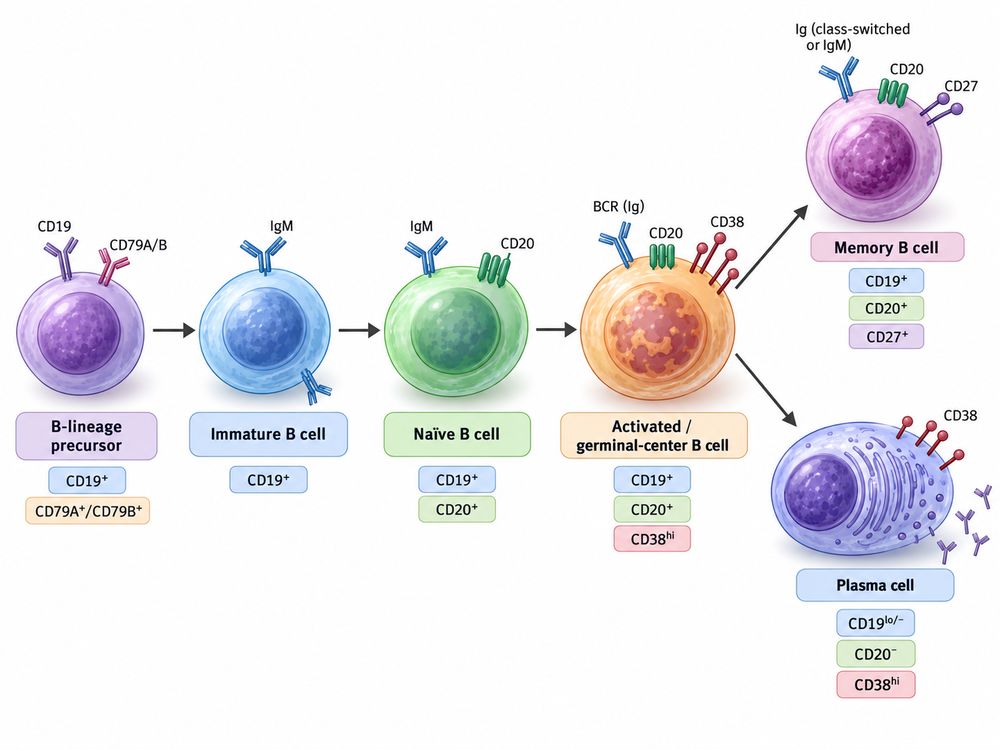 Fig 1. Major CD Markers Across B Cell Differentiation
CD Markers Across B Cell Development
B cell development begins before mature surface immunoglobulin is fully expressed. Components of the B cell receptor signaling machinery appear during lineage commitment, while other markers are acquired or lost as cells mature.
CD19 is expressed across much of B cell development and is therefore frequently used as a foundational lineage marker. CD20 becomes prominent during later B cell maturation but is usually reduced or absent on terminally differentiated plasma cells. This distinction is important when interpreting samples containing antibody-secreting cells.
CD27 is commonly associated with human memory B cell populations, although CD27-negative memory-like B cells are well documented. CD38 is more complicated because it can increase strongly during activation and plasmablast differentiation. A CD38-high population therefore needs to be interpreted together with CD19, CD20, CD27 and other markers.
This developmental variation is one reason high-dimensional flow cytometry and single-cell approaches have become useful in B cell biology. Rather than assigning identity from one marker, researchers can define phenotypes from coordinated expression patterns.
Explore Our CD Antigen Products
Learn More
CD19 and CD20 as Core B Cell Markers
CD19 is a type I transmembrane glycoprotein that functions as part of the B cell co-receptor complex. It lowers the threshold for BCR-dependent activation by integrating signals from antigen recognition with downstream pathways.
Because CD19 is retained across broad segments of the B lineage, it is widely used in:
- flow-cytometric B cell gating;
- B cell isolation;
- leukemia and lymphoma research;
- antibody development;
- CAR-T target research;
- minimal residual disease-oriented assay development.
CD20 has a different distribution. It is strongly associated with mature B cells and has become one of the best-known B cell therapeutic targets. However, its absence or reduction on many plasma cells means CD20 cannot substitute for CD19 in every application.
When therapies specifically target CD19 or CD20, the phenotype of residual cells can also change. Post-treatment immunophenotyping should therefore avoid relying only on the treated antigen.
CD79A and CD79B in B Cell Receptor Signaling
The B cell receptor consists of membrane immunoglobulin associated with the signaling heterodimer CD79A and CD79B, also called Igα and Igβ.
Membrane immunoglobulin recognizes antigen, but it has only a short cytoplasmic region. CD79A and CD79B provide the intracellular signaling machinery required to convert extracellular antigen engagement into cellular responses.
Both proteins contain immunoreceptor tyrosine-based activation motifs. Following BCR engagement, phosphorylation of these motifs supports recruitment of kinases and initiation of signaling pathways involving SYK, BTK, phospholipase Cγ2 and downstream transcriptional programs.
CD79A and CD79B are therefore more than phenotypic B cell markers. They are functional components of the signaling machinery required for normal B cell biology.
Alterations in BCR signaling are also relevant to B-cell malignancies. Mutations or dysregulated signaling involving CD79A/CD79B and related pathway components may support malignant-cell survival in specific disease contexts.
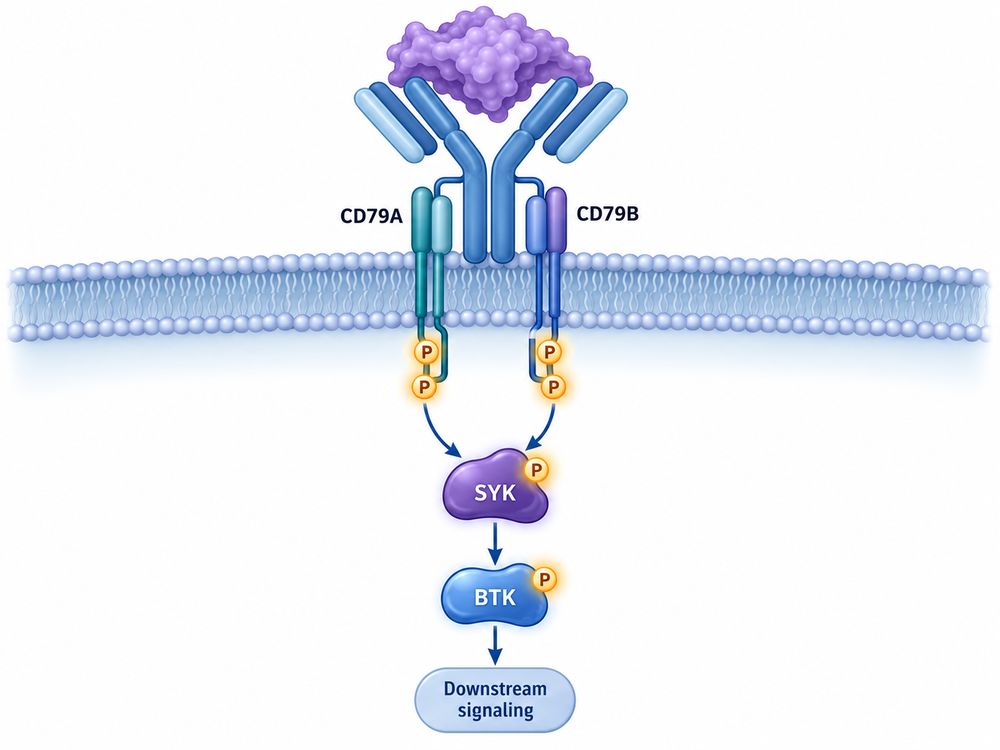 Fig 2. Simplified B Cell Receptor Signaling Complex
CD22, CD27, CD38 and Other Useful B Cell Markers
CD22
CD22 is a B cell-associated inhibitory co-receptor that helps regulate BCR signaling thresholds. It recognizes sialylated ligands and contributes to maintaining appropriate B cell activation.
Because of its surface expression and internalization properties, CD22 has also attracted attention as a therapeutic target.
CD27
CD27 is frequently used to distinguish major antigen-experienced and memory-associated B cell populations. However, it should not be treated as an absolute definition of B cell memory because biologically relevant CD27-negative memory populations exist.
CD38
CD38 expression varies substantially. It may be elevated in activated B cells, plasmablasts and plasma cells. In other contexts, differential CD38 intensity helps refine developmental or pathological populations.
CD74
CD74 is the invariant chain associated with MHC class II. It participates in antigen-presentation biology and is expressed by B cells and other professional antigen-presenting cells.
Together, these molecules add developmental and functional information beyond the broad lineage markers CD19 and CD20.
B Cell Marker Panels for Immunophenotyping
A useful B cell panel should be designed around the biological question.
| Research Objective | Example Marker Combination |
|---|---|
| Identify broad B cell population | CD19 + CD20 |
| Separate naïve and memory-associated cells | CD19 + CD27 + immunoglobulin isotypes |
| Identify plasmablast-like populations | CD19 + CD27 + CD38 |
| Study BCR machinery | CD19 + CD79A/CD79B + signaling markers |
| Characterize B-cell malignancy | CD19 + CD20 + CD22 + CD79 + additional disease-specific markers |
| Evaluate therapeutic target expression | Target antigen + independent B-lineage markers |
High-quality immunophenotyping also requires appropriate viability dyes, compensation or spectral unmixing controls, Fc-blocking strategies where necessary and well-validated antibodies.
Purified recombinant CD antigen proteins can help evaluate antibody specificity and cross-reactivity before antibodies are incorporated into complex multiparameter panels.
CD Markers in B Cell Malignancies
B-cell leukemias and lymphomas often retain elements of normal B cell differentiation while acquiring abnormal marker combinations.
Flow cytometry therefore evaluates patterns rather than isolated markers. Important questions include:
- Does the population show B-lineage differentiation?
- Is light-chain expression clonal or abnormal?
- Which stage of B cell maturation does the phenotype most closely resemble?
- Are normally coordinated markers expressed in an abnormal pattern?
- Has prior therapy altered or removed the expected target antigen?
CD19, CD20, CD22, CD79A and CD79B may contribute to lineage assignment, while additional markers help differentiate disease entities.
Treatment history is particularly important. Targeted therapies can select antigen-low or antigen-negative cells, so an apparently negative CD19 or CD20 result does not automatically exclude B-lineage origin.
Explore Our CD Antigen Products
Learn More
B Cell CD Antigens as Therapeutic Targets
B cell surface molecules have become important targets across several therapeutic modalities.
Monoclonal antibodies can recognize lineage-restricted molecules and recruit immune effector mechanisms or directly modulate signaling.
Antibody-drug conjugates require a surface antigen that supports effective target engagement and often efficient internalization.
CAR-T cells recognize membrane antigens independently of conventional peptide-MHC presentation.
Bispecific antibodies can bridge tumor-associated B cell antigens to immune effector cells.
The suitability of a CD molecule as a therapeutic target depends on more than expression.
Relevant properties include:
- antigen density;
- tumor versus normal-tissue distribution;
- membrane stability;
- internalization rate;
- shedding;
- epitope accessibility;
- heterogeneity;
- potential antigen loss after treatment.
CD19, CD20, CD22 and CD79B illustrate different combinations of these properties and have therefore supported different therapeutic development strategies.
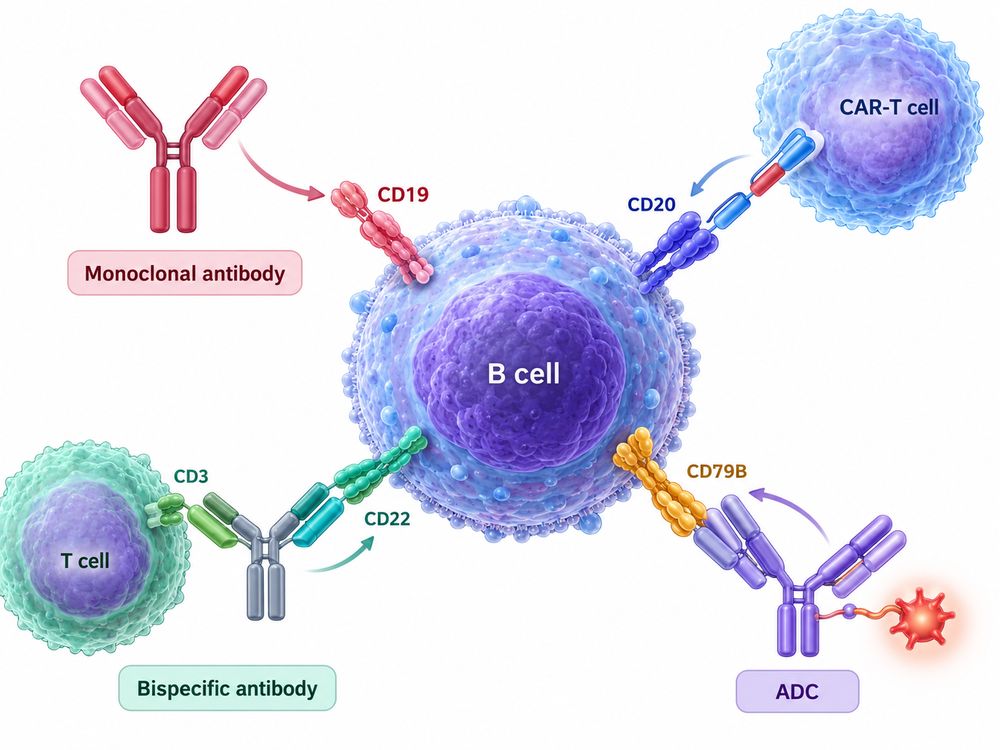 Fig 3. B Cell CD Antigens Across Therapeutic Modalities
Recombinant CD Antigens for B Cell Research
Purified CD antigens can support several stages of antibody and assay development.
Common applications include:
- antibody screening;
- antigen-specific ELISA;
- antibody specificity testing;
- affinity determination;
- SPR and BLI studies;
- competition assays;
- epitope characterization;
- receptor-ligand studies;
- species cross-reactivity testing.
The best protein format depends on the assay.
Fc-tagged proteins may improve solubility and enable convenient immobilization, but dimerization can increase apparent avidity. His-tagged proteins are often useful for direct binding assays. Site-specifically biotinylated proteins can provide controlled immobilization on streptavidin surfaces.
For glycosylated extracellular molecules, mammalian expression may better reproduce native-like folding and post-translational modification than bacterial expression.
Researchers should therefore avoid assuming that all recombinant proteins carrying the same CD designation are experimentally equivalent.
Explore Our CD Antigen Products
Learn More
Practical Considerations for Marker and Reagent Selection
Before selecting B cell CD antigen research reagents, consider:
- What developmental stage is being investigated?
- Is the antigen a lineage marker, activation marker or functional receptor?
- Does prior treatment alter target expression?
- Is native glycosylation important?
- Does the antibody recognize a linear or conformational epitope?
- Will Fc fusion alter assay interpretation?
- Is cross-species binding needed?
Resource
-
From CD Markers to Immune Maps: A New Era in Immunology
-
The CD Map Is Still Growing: New CD Molecules and HLDA11
-
Antigen Density: Beyond CD-Positive
-
Spatial CD Biology: Why Location Matters in the Tumor Microenvironment
-
Logic-Gated CAR-T: Revolutionizing Cancer Therapy
-
Cluster of Differentiation

References
- Tkachenko A, Kupcova K, Havranek O. B-Cell Receptor Signaling and Beyond: The Role of Igα (CD79a)/Igβ (CD79b) in Normal and Malignant B Cells. Int J Mol Sci. 2024;25(1):10. doi:10.3390/ijms25010010.
- Chu PG, Arber DA. CD79: A Review. Appl Immunohistochem Mol Morphol. 2001;9(2):97–106. doi:10.1097/00129039-200106000-00001.
- Gajzer DC, Fromm JR. Flow Cytometry for B-Cell Non-Hodgkin and Hodgkin Lymphomas. Cancers (Basel). 2025;17(5):814. doi:10.3390/cancers17050814.
- Tedder TF. CD19: A Promising B Cell Target for Rheumatoid Arthritis. Nat Rev Rheumatol. 2009;5(10):572–577. doi:10.1038/nrrheum.2009.184.

Contact us or send an email at for project quotations and more detailed information.
Quick Links
-

Papers’ PMID to Obtain Coupon
Submit Now -

Refer Friends & New Lab Start-up Promotions