

CD47-SIRPα Axis: A Macrophage Immune Checkpoint in Cancer Research
Table of Contents
- What Is the CD47-SIRPα Axis?
- How the CD47 "Don't Eat Me" Signal Works
- Pro-Phagocytic Versus Anti-Phagocytic Signals
- CD47 Expression in Normal Cells and Cancer
- Why CD47 Is an Attractive Therapeutic Target
- Major CD47-Targeting Strategies
- Challenges in CD47-Directed Drug Development
- CD47 Binding and Functional Assays
- Selecting Recombinant CD47 Proteins
- Key Questions for CD47 Research
What Is the CD47-SIRPα Axis?
The CD47-SIRPα axis is an innate immune checkpoint that helps regulate whether phagocytic cells engulf or preserve neighboring cells.
CD47 is a broadly expressed cell-surface protein. Signal regulatory protein alpha, or SIRPα, is an inhibitory receptor expressed prominently on macrophages and other myeloid cells.
When CD47 on a target cell binds SIRPα on a macrophage, inhibitory signaling can reduce the cytoskeletal activity required for phagocytosis.
This pathway is physiologically important because normal cells require protection from inappropriate removal. Tumor cells, however, can exploit the same mechanism.
For this reason, CD47 has become one of the best-known CD antigens associated with macrophage checkpoint research.
Explore Our CD Antigen Products
Learn More
How the CD47 "Don't Eat Me" Signal Works
The phrase "don't eat me signal" is useful shorthand but should not be interpreted too literally.
CD47 does not independently determine whether a cell will be engulfed.
SIRPα contains cytoplasmic immunoreceptor tyrosine-based inhibitory motifs. Following CD47 engagement, these motifs become phosphorylated and recruit phosphatases such as SHP family proteins.
The resulting signaling opposes processes required for actin rearrangement and phagocytic synapse formation.
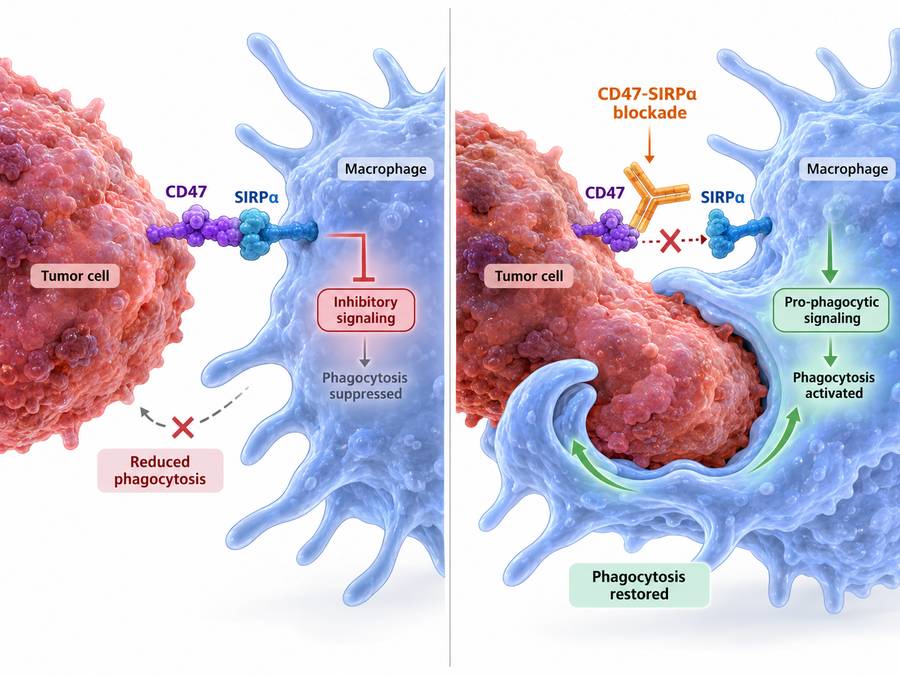 Fig 1. CD47-SIRPα Inhibition of Macrophage Phagocytosis
Pro-Phagocytic Versus Anti-Phagocytic Signals
Macrophage behavior reflects the balance of multiple inputs.
Potential pro-phagocytic signals can include:
- antibody Fc engagement;
- altered membrane molecules;
- exposed phosphatidylserine;
- calreticulin-associated signals;
- opsonization.
CD47-SIRPα provides a counter-regulatory signal.
This explains an important observation in therapeutic research: blocking CD47 may be more effective when another mechanism supplies a strong pro-phagocytic cue.
For example, a tumor-targeting antibody can coat malignant cells and engage Fc receptors on macrophages. CD47 blockade may then reduce an inhibitory signal acting against Fc receptor-driven phagocytosis.
This biological logic has motivated combination strategies.
CD47 Expression in Normal Cells and Cancer
CD47 is not tumor-specific.
It is expressed on red blood cells, platelets, leukocytes and many other normal cells. This broad distribution is essential to understanding both its biological role and its therapeutic challenges.
Seminal studies demonstrated that elevated CD47 could contribute to immune evasion in acute myeloid leukemia and that disrupting the pathway could enhance macrophage-mediated clearance in experimental systems.
Subsequent work expanded the concept to solid tumors.
However, expression alone is not sufficient to predict whether a tumor will respond to CD47-directed intervention.
Relevant variables include:
- CD47 density;
- SIRPα expression and polymorphism;
- macrophage abundance;
- Fc receptor activity;
- competing phagocytic signals;
- tumor architecture;
- prior treatments.
Explore Our CD Antigen Products
Learn More
Why CD47 Is an Attractive Therapeutic Target
CD47 differs from classic T-cell checkpoints such as PD-1 and CTLA-4 because it primarily regulates an innate immune-cell interaction.
Potential advantages include:
| Feature | Potential Research Value |
|---|---|
| Myeloid-checkpoint mechanism | May activate macrophage-mediated clearance |
| Broad tumor expression | Supports investigation across diverse malignancies |
| Complementarity with antibodies | Can potentially enhance Fc-mediated phagocytosis |
| Innate-adaptive linkage | Phagocytosis may influence antigen presentation |
At the same time, the widespread normal expression of CD47 means the pathway has a narrow biological distinction between tumor and host.
Major CD47-Targeting Strategies
Anti-CD47 Antibodies
Antibodies can bind CD47 and interfere with SIRPα engagement.
Their activity may involve both checkpoint disruption and Fc-dependent effects, depending on antibody design.
SIRPα-Based Fusion Proteins
Engineered SIRPα extracellular domains can act as decoy receptors.
Fusion format, affinity engineering and Fc configuration can change the biological properties of these molecules.
Anti-SIRPα Antibodies
Targeting SIRPα on myeloid cells offers an alternative to directly binding the broadly expressed CD47 antigen.
Bispecific Molecules
Bispecific strategies aim to combine CD47-axis blockade with recognition of a tumor-associated antigen.
Conceptually, this may concentrate checkpoint disruption on target cells that express both molecules.
Combination Therapy
CD47/SIRPα modulation has been investigated with tumor-targeting antibodies, T-cell checkpoint inhibitors, chemotherapy and other approaches.
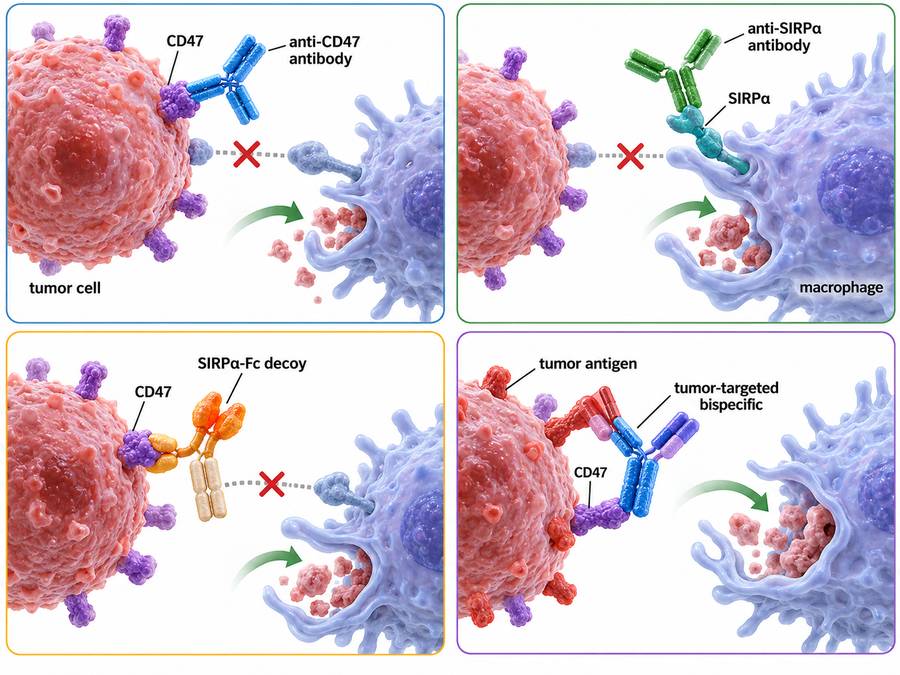 Fig 2. Major Strategies for Targeting the CD47-SIRPα Axis
Challenges in CD47-Directed Drug Development
The major challenge is on-target interaction with healthy cells.
Red blood cells represent a particularly large CD47-positive compartment. Binding to erythrocytes may create an antigen sink and can contribute to hematologic toxicity.
Anemia has therefore been an important issue in clinical development.
Strategies intended to address this challenge have included:
- altered Fc properties;
- priming-dose concepts;
- SIRPα-directed rather than CD47-directed molecules;
- bispecific targeting;
- affinity tuning;
- tumor-localized formats.
Recent clinical-development reviews continue to identify hematologic toxicity and therapeutic-index optimization as central issues.
A second challenge is biological redundancy. Even if CD47-SIRPα is blocked, tumor cells may retain other mechanisms that inhibit phagocytosis or suppress macrophage function.
Explore Our CD Antigen Products
Learn More
CD47 Binding and Functional Assays
No single assay can fully characterize CD47-directed candidates.
| Assay | Main Question |
|---|---|
| ELISA | Does the molecule recognize CD47 or SIRPα? |
| SPR/BLI | What are the binding kinetics and affinity? |
| Competition assay | Does the candidate block CD47-SIRPα interaction? |
| Flow cytometry | Does it bind membrane CD47? |
| Phagocytosis assay | Does blockade alter macrophage engulfment? |
| RBC binding assay | Is there significant erythrocyte interaction? |
| Cross-species assay | Does binding translate to preclinical species? |
Purified recombinant CD antigens are particularly useful during early biophysical characterization.
Cellular experiments are required to capture receptor density and membrane context.
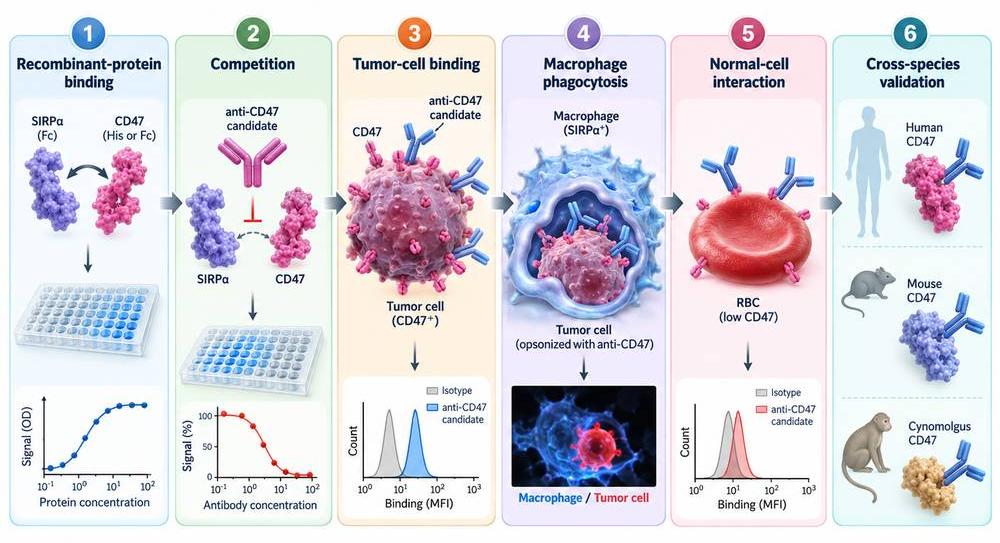 Fig 3. CD47 Drug-Discovery Assay Cascade
Selecting Recombinant CD47 Proteins
For quantitative CD47 research, construct design can materially affect the result.
Important variables include:
Species
Human CD47 should be used for human-target programs, while mouse or nonhuman-primate proteins may be needed for preclinical translation.
Expression Host
CD47 is glycosylated, so mammalian expression may better reproduce extracellular-domain properties relevant to conformation-sensitive interactions.
Tag
His tags are relatively small and convenient for many assays.
Fc tags facilitate purification and capture but can create dimerization and avidity.
Site-specific biotinylation can support controlled surface orientation.
Protein Valency
A monomeric protein can provide cleaner intrinsic affinity data, whereas multivalent formats may better model some biological interactions.
Activity
For receptor-ligand studies, the most important quality attribute may be demonstrated CD47-SIRPα binding rather than purity alone.
Researchers comparing multiple CD antigen proteins should therefore avoid assuming that affinity values obtained using different construct architectures are directly interchangeable.
Key Questions for CD47 Research
Is CD47 an immune checkpoint?
Yes. CD47-SIRPα is commonly described as an innate or myeloid immune checkpoint because the interaction can inhibit macrophage phagocytosis.
Is CD47 tumor-specific?
No. It is broadly expressed on normal cells, which is one of the major challenges for CD47-directed therapy.
Does blocking CD47 automatically cause phagocytosis?
No. The outcome depends on competing pro- and anti-phagocytic signals.
Why use recombinant CD47?
Recombinant CD47 and related CD antigen reagents can support antibody screening, receptor-binding studies, competition assays and cross-species characterization.
Explore Our CD Antigen Products
Learn More
Resource
-
From CD Markers to Immune Maps: A New Era in Immunology
-
The CD Map Is Still Growing: New CD Molecules and HLDA11
-
Antigen Density: Beyond CD-Positive
-
Spatial CD Biology: Why Location Matters in the Tumor Microenvironment
-
Logic-Gated CAR-T: Revolutionizing Cancer Therapy
-
Cluster of Differentiation
References
- Majeti R, Chao MP, Alizadeh AA, et al. CD47 Is an Adverse Prognostic Factor and Therapeutic Antibody Target on Human Acute Myeloid Leukemia Stem Cells. Cell. 2009;138(2):286–299. doi:10.1016/j.cell.2009.05.045.
- Willingham SB, Volkmer JP, Gentles AJ, et al. The CD47-Signal Regulatory Protein Alpha (SIRPα) Interaction Is a Therapeutic Target for Human Solid Tumors. Proc Natl Acad Sci USA. 2012;109(17):6662–6667. doi:10.1073/pnas.1121623109.
- Li Y, He X, Zhou H, et al. Clinical Advances in CD47-SIRPα Axis-Targeted Cancer Immunotherapy: Mechanisms, Strategies, Challenges, and Future Perspectives. Biochem Biophys Res Commun. 2026;802:153330. doi:10.1016/j.bbrc.2026.153330.
- Chao MP, Weissman IL, Majeti R. The CD47-SIRPα Pathway in Cancer Immune Evasion and Potential Therapeutic Implications. Curr Opin Immunol. 2012;24(2):225–232. doi:10.1016/j.coi.2012.01.010.

Contact us or send an email at for project quotations and more detailed information.
Quick Links
-

Papers’ PMID to Obtain Coupon
Submit Now -

Refer Friends & New Lab Start-up Promotions