

Custom Fc Receptor Protein Expression and Engineering Services
Table of Contents
When Catalog FcR Proteins Are Not Enough
Fc receptors are central tools in antibody discovery, Fc engineering, immune-complex biology, and translational immunology. Human Fcγ receptors, FcRn, Fcε receptors, Fcα receptors, and other Fc receptor family members are widely used to evaluate antibody binding, effector function potential, half-life engineering, immune activation, and inhibitory signaling pathways. Fcγ receptors, for example, connect IgG antibodies with immune effector cells and participate in antibody-mediated functions such as ADCC, ADCP, immune-complex clearance, and inflammatory signaling regulation.
Catalog Fc receptor proteins are sufficient for many routine assays. However, antibody programs, assay development projects, and mechanistic studies often require formats that are not available as standard products. Researchers may need a specific receptor allele, species ortholog, extracellular domain boundary, FcR mutant, tag orientation, biotinylation format, buffer condition, low-endotoxin preparation, or assay-ready protein lot.
Explore Our Fc Receptor Products
Learn More
Creative BioMart provides custom Fc receptor protein expression and engineering services to help researchers move beyond off-the-shelf reagents. Instead of treating Fc receptor proteins as a static product category, our service model starts from the application: what the protein needs to do in the assay, what format is required, and what quality attributes are critical for reliable results.
Common reasons to request a custom Fc receptor protein include:
| Research Need | Why Catalog Proteins May Be Insufficient | Custom Service Solution |
|---|---|---|
| Fc-engineered antibody screening | Need matched FcγR alleles, receptor panels, or consistent tag orientation | Custom recombinant Fc receptor production with selected variants and assay-compatible tags |
| FcRn half-life studies | Need species-specific FcRn, β2-microglobulin co-expression, or pH-specific binding performance | Custom FcRn complex expression and characterization under defined assay conditions |
| SPR/BLI kinetic assays | Random orientation or non-specific immobilization can affect binding curves | Site-specific Avi-tag biotinylation for streptavidin-based capture |
| Cross-species translation | Human-only catalog proteins may not match preclinical model needs | Human, mouse, rat, cynomolgus, or other species-specific Fc receptor expression |
| Cell-based functional assays | Soluble domains, Fc fusion formats, or receptor variants may be required | Application-driven construct design and protein formatting |
| Mechanistic immunology | Need mutations, truncations, or domain-specific constructs | Custom Fc receptor engineering and comparative protein production |
Custom Fc Receptor Construct Design
A successful Fc receptor expression project begins with careful construct design. Fc receptor proteins often contain extracellular Ig-like domains, stalk regions, transmembrane domains, intracellular signaling motifs, and receptor-specific glycosylation sites. For soluble recombinant protein production, the extracellular region is commonly selected, but the exact domain boundary can influence secretion, folding, stability, ligand binding, and assay performance.
Creative BioMart supports customized Fc receptor construct design based on receptor family, species, sequence variant, intended application, and downstream assay format. This may include:
- Extracellular domain design for soluble Fc receptor production
- Allelic variant selection, such as FcγRIIIa V158/F158 or FcγRIIa H131/R131
- Species ortholog design for translational studies
- Domain truncation or extension to improve expression and stability
- Site-directed mutagenesis for mechanistic binding studies
- Codon optimization for the selected expression host
- Signal peptide selection for secreted mammalian or insect cell expression
- Tag placement at the N-terminus or C-terminus based on assay orientation
For antibody-related projects, receptor sequence details matter. FcγR interactions are influenced by receptor subtype, allele, avidity, immune-complex formation, receptor clustering, and Fc glycosylation context. A custom Fc receptor expression service allows researchers to align the receptor reagent with the biology being studied rather than forcing the assay to fit a limited catalog format.
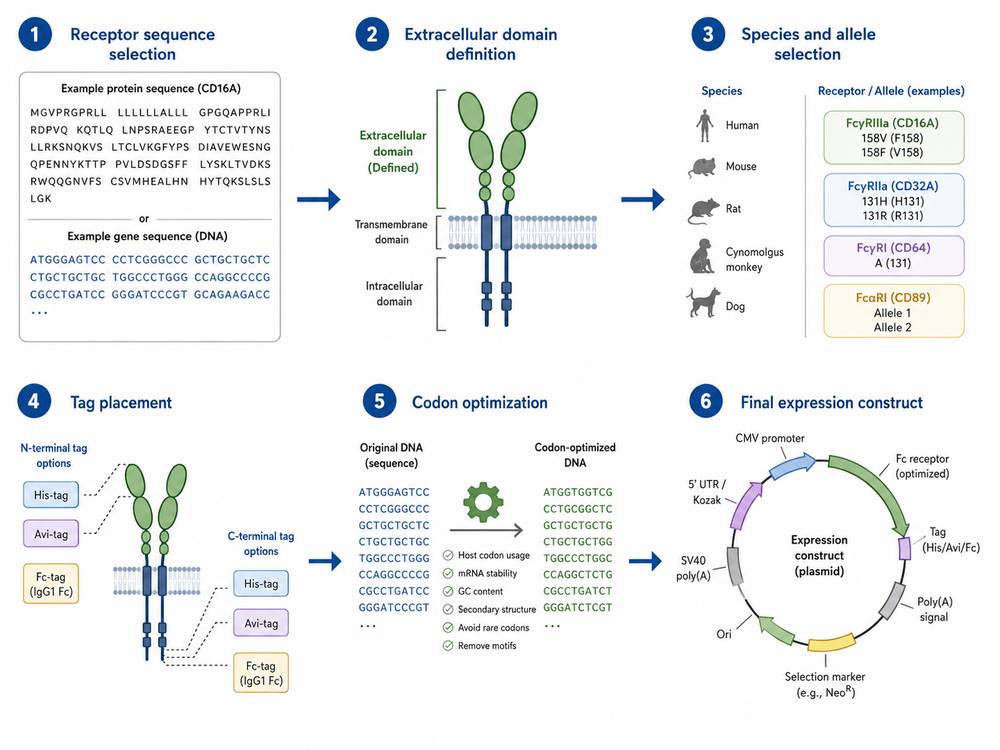 Fig 1. Custom Fc Receptor Construct Design Strategy
Expression System Options
Different Fc receptor proteins require different expression systems. Mammalian systems are often preferred for Fc receptors that depend on correct disulfide bonding, secretion, glycosylation, and native-like folding. However, E. coli and insect cells can be useful for selected domains, screening constructs, or cost-sensitive projects. Glycosylation and folding can affect recombinant protein quality and functional performance, especially for proteins used in receptor-ligand binding assays.
Creative BioMart evaluates each project based on protein complexity, target yield, post-translational modification requirements, assay use, timeline, and budget.
HEK293 Expression
HEK293 cells are frequently used for transient mammalian expression of soluble Fc receptor proteins. This system is well suited for rapid feasibility testing, small- to medium-scale protein production, and projects requiring mammalian folding and glycosylation.
Typical use cases:
- Rapid custom Fc receptor protein production
- Fcγ receptor extracellular domains
- FcRn α-chain/β2-microglobulin complexes
- Avi-tagged Fc receptor proteins for SPR/BLI
- Early-stage antibody binding assay development
CHO Expression
CHO cells are preferred when the project requires more production-oriented development, scalable expression, or a mammalian system commonly associated with biopharmaceutical protein production. CHO expression may be selected for larger batches, repeated production, or long-term reagent consistency.
Typical use cases:
- Larger-scale recombinant Fc receptor production
- Repeated lot production for screening campaigns
- Stable cell line development when needed
- Assay reagent supply for long-term programs
E. coli Expression
E. coli can be considered for selected Fc receptor domains, non-glycosylated fragments, screening constructs, or projects where speed and cost efficiency are priorities. However, many Fc receptor extracellular domains contain disulfide bonds and glycosylation sites, making mammalian expression more suitable for native-like proteins. Advanced bacterial systems can support more complex recombinant protein production, but Fc receptor project feasibility must be assessed case by case.
Typical use cases:
- Small domain fragments
- Non-glycosylated analytical constructs
- Antigenic fragments for immunization or assay development
- Initial construct screening when native glycosylation is not required
Insect Cell Expression
Insect cells provide a eukaryotic expression environment and are useful for certain recombinant proteins that are difficult to express in bacteria. They may be considered for Fc receptor constructs requiring eukaryotic folding but not necessarily mammalian glycosylation.
Typical use cases:
- Eukaryotic expression of difficult proteins
- Medium-scale recombinant protein production
- Alternative expression route when mammalian yield is low
- Comparative expression feasibility studies
| Expression System | Main Advantages | Best-Fit FcR Projects | Key Considerations |
|---|---|---|---|
| HEK293 | Fast mammalian expression, suitable folding and secretion | Custom FcγR, FcRn, FcεR, FcαR proteins for binding assays | Best for rapid development and assay validation |
| CHO | Scalable mammalian production, lot consistency | Larger Fc receptor batches and long-term reagent supply | Longer timeline than transient HEK293 in some projects |
| E. coli | Cost-effective and fast for simple proteins | Small fragments or non-glycosylated constructs | Not ideal for many native-like glycoprotein Fc receptors |
| Insect Cells | Eukaryotic folding, useful alternative host | Difficult-to-express soluble domains | Glycosylation differs from mammalian systems |
Tag Design and Protein Formatting
Tag and format design are critical for Fc receptor assay performance. The same receptor sequence may behave differently depending on whether it carries a His tag, Fc tag, Avi tag, FLAG tag, biotin label, or no tag. Tag position can also influence receptor accessibility, immobilization orientation, purification efficiency, and background signal.
Creative BioMart offers flexible tag and protein formatting strategies to support downstream applications.
| Format Option | Purpose | Typical Application |
|---|---|---|
| His-tagged Fc receptor | Affinity purification and general assay use | ELISA, WB, pull-down, binding screening |
| Avi-tagged Fc receptor | Site-specific enzymatic biotinylation | SPR, BLI, streptavidin plate capture |
| Fc-tagged receptor | Improved expression, dimerization, and purification | Cell binding, ligand capture, receptor clustering studies |
| FLAG/Strep-tagged receptor | Alternative purification or detection strategy | Custom assay development |
| Tag-free receptor | Reduced tag interference | Biophysical or structural studies |
| Mutant receptor | Functional mapping or allele comparison | Fc engineering and mechanistic studies |
| Species-specific receptor | Translational comparison | Human, mouse, rat, cynomolgus, or other model systems |
For SPR and BLI, orientation is especially important. Random amine coupling or non-specific immobilization may reduce receptor accessibility or create heterogeneous binding surfaces. Avi-tagged Fc receptor proteins can be enzymatically biotinylated at a defined site, enabling oriented capture on streptavidin biosensors or sensor chips.
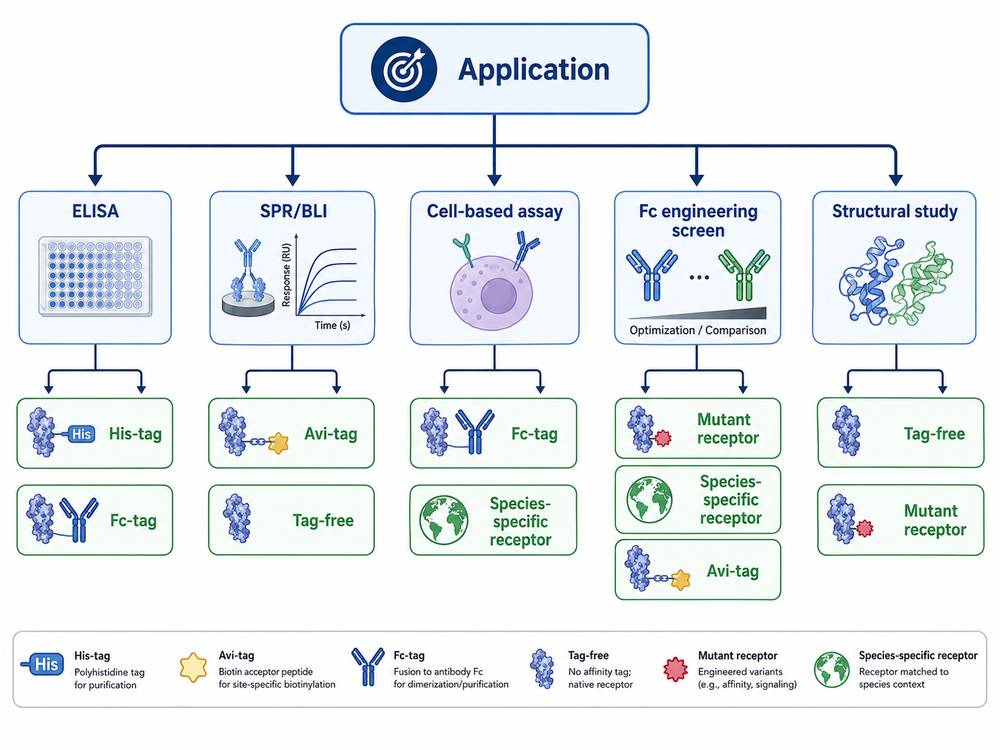 Fig 2. Fc Receptor Tag and Format Selection Map
Biotinylation and Labeling Options
Biotinylated Fc receptor proteins are widely used in biosensor-based antibody binding studies. Site-specific biotinylation is particularly valuable because it improves immobilization consistency and supports cleaner kinetic analysis.
Creative BioMart can support several biotinylation and labeling strategies:
| Labeling Option | Description | Recommended Use |
|---|---|---|
| Avi-tag enzymatic biotinylation | Site-specific biotinylation through an Avi tag | SPR/BLI kinetic assays and streptavidin capture |
| Chemical biotinylation | Biotin conjugation through reactive amino groups | General capture assays when site-specific orientation is not required |
| Fluorescent labeling | Fluorophore conjugation for detection | Flow cytometry, imaging, binding studies |
| Custom conjugation | Project-specific labeling chemistry | Specialized assay development |
For FcRn, pH-dependent binding is an important consideration because FcRn binds IgG more strongly under acidic endosomal conditions and releases IgG at physiological pH, supporting IgG recycling and half-life regulation. Custom FcRn protein preparation may therefore require careful control of receptor complex formation, buffer conditions, and assay design.
Purification and Characterization
Custom Fc receptor protein production is not complete until the protein is purified, characterized, and matched to its intended use. Creative BioMart provides purification and quality control options that can be tailored to research-grade, assay-grade, or application-specific needs.
Typical purification and characterization options include:
| Step | Available Options | Purpose |
|---|---|---|
| Capture purification | Ni-NTA, Protein A/G, Strep affinity, tag-specific resin | Initial enrichment of tagged receptor proteins |
| Polishing purification | SEC, ion exchange, desalting, buffer exchange | Improve purity, monodispersity, and assay compatibility |
| Purity analysis | SDS-PAGE, SEC-HPLC, analytical chromatography | Confirm product quality and aggregation status |
| Identity confirmation | Western blot, peptide mapping, MS-based analysis if required | Verify target protein identity |
| Binding validation | ELISA, SPR, BLI, ligand-binding assay | Confirm functional receptor interaction |
| Biotinylation assessment | Streptavidin binding, HABA assay, MS if needed | Evaluate labeling efficiency |
| Endotoxin testing | LAL-based testing | Support cell-based or immune assay applications |
| Buffer customization | User-defined buffer, carrier-free, glycerol-free, low-salt, pH-specific | Match downstream assay requirements |
Quality expectations should be defined before project initiation. For example, a protein intended for exploratory ELISA may not require the same level of characterization as an Fc receptor used for quantitative SPR kinetic ranking. A service-based workflow allows the project scope to be aligned with the assay value and development stage.
Application-Driven Customization
The most important question in a custom Fc receptor project is not simply "Which receptor do you need?" but "How will the receptor be used?"
Creative BioMart designs recombinant Fc receptor production projects around the intended application.
Antibody Fc Engineering
Fc-engineered antibodies are designed to modulate effector functions, half-life, stability, or Fc receptor selectivity. Fc receptor panels can help compare binding to activating FcγRs, inhibitory FcγRIIb, FcRn, and species-specific receptors during candidate optimization. Fc engineering strategies are widely used to tune ADCC, ADCP, CDC, and pharmacokinetic behavior.
Custom service options may include:
- FcγRI, FcγRIIa, FcγRIIb, FcγRIIIa, and FcγRIIIb panels
- FcγRIIIa V158/F158 and FcγRIIa H131/R131 variants
- Human, mouse, rat, or cynomolgus Fc receptor proteins
- Avi-tagged proteins for kinetic screening
- Matched protein lots for comparative antibody ranking
FcRn Half-Life and Recycling Studies
FcRn is used to evaluate pH-dependent IgG binding, Fc engineering for half-life extension, and translational species differences. Custom FcRn projects may require co-expression of FcRn α-chain with β2-microglobulin, species-specific receptor design, and assay buffers at acidic and neutral pH.
Custom options may include:
- Human FcRn/β2M complex
- Mouse, rat, or cynomolgus FcRn
- pH-dependent binding validation
- Biotinylated FcRn for SPR/BLI
- Mutant FcRn or Fc-engineered antibody binding panels
Allergy and IgE Biology
FcεRI and FcεRII/CD23 are important in IgE-mediated immune responses and allergy research. Custom Fcε receptor proteins may be used for IgE binding studies, receptor-ligand mapping, or assay development.
IgA, IgM, and Specialized Fc Receptor Research
Fcα receptors, Fcμ receptors, and Fc receptor-like proteins may require more specialized construct design and expression optimization. These projects often benefit from feasibility testing, domain boundary comparison, and host system evaluation.
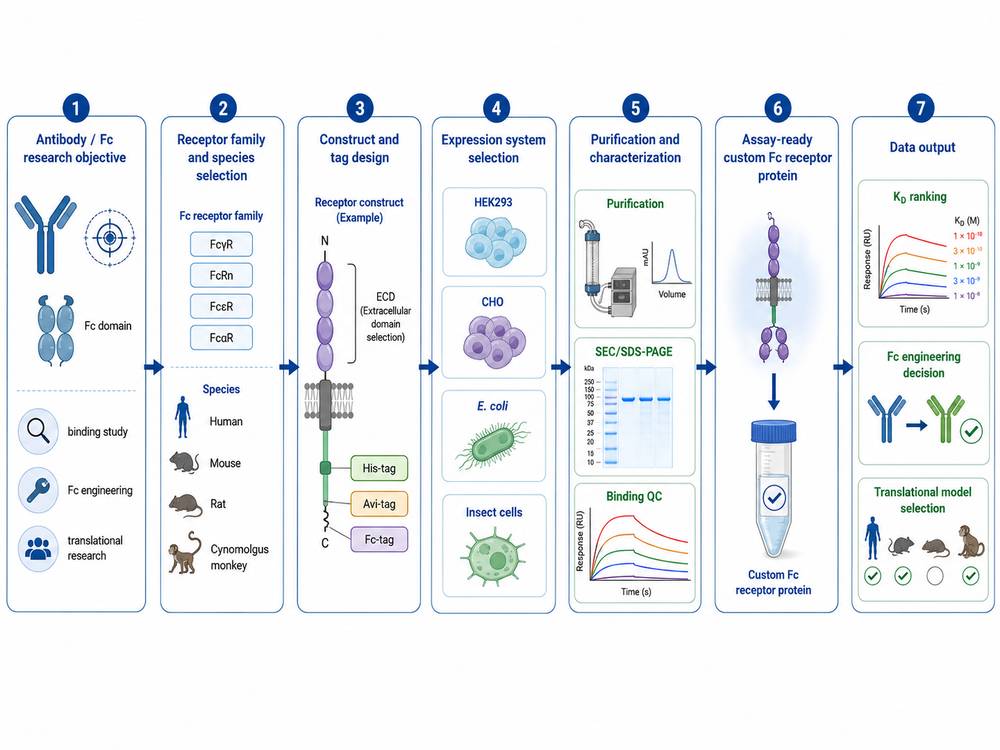 Fig 3. Application-Driven Fc Receptor Customization Workflow
Creative BioMart Custom Fc Receptor Protein Workflow
Creative BioMart supports custom Fc receptor projects from design consultation to assay-ready protein delivery. The workflow is built for flexibility, allowing researchers to request a single specialized protein, a matched receptor panel, a biotinylated Fc receptor reagent, or a repeated production program.
| Workflow Stage | Service Activities | Deliverables |
|---|---|---|
| 1. Requirement Review | Review receptor family, species, allele, construct format, tag, assay, quantity, and QC needs | Project design recommendation |
| 2. Sequence and Construct Design | Domain boundary selection, codon optimization, tag placement, cloning strategy | Finalized expression construct plan |
| 3. Expression Feasibility | HEK293, CHO, E. coli, or insect cell expression screening as needed | Expression feasibility data |
| 4. Protein Production | Scaled expression using selected system | Crude or purified recombinant Fc receptor protein |
| 5. Purification | Affinity purification and optional polishing | Purified custom Fc receptor protein |
| 6. Modification | Biotinylation, labeling, buffer exchange, or tag removal if requested | Assay-compatible protein format |
| 7. Characterization | SDS-PAGE, purity, concentration, binding validation, endotoxin, or custom QC | QC report based on project scope |
| 8. Delivery and Support | Shipment with documentation and optional technical support | Final protein, data sheet, and project summary |
This workflow is especially useful for projects where the final protein must match a defined assay platform. For example, a researcher developing an SPR assay may request an Avi-tagged, biotinylated human FcγRIIIa V158 protein in a low-salt, carrier-free buffer, while another researcher may need a panel of human and cynomolgus FcRn proteins for species translation studies.
Request a Quote
Creative BioMart provides custom Fc receptor protein services for academic, biotech, pharmaceutical, and CRO research programs. Whether you need a single recombinant Fc receptor protein, a matched Fc receptor panel, a biotinylated receptor for SPR/BLI, or a difficult receptor construct requiring expression optimization, our team can help design a service plan around your project goals.
To request a quote, please provide as much of the following information as possible:
| Information Needed | Examples |
|---|---|
| Fc receptor target | FcγRI, FcγRIIa, FcγRIIb, FcγRIIIa, FcRn, FcεRI, FcαR, FcμR |
| Species | Human, mouse, rat, cynomolgus monkey, or other species |
| Sequence or accession | Full sequence, UniProt ID, custom mutant, allele, or domain boundary |
| Desired format | His-tag, Avi-tag, Fc-tag, tag-free, biotinylated, fluorescently labeled |
| Expression preference | HEK293, CHO, E. coli, insect cells, or open to recommendation |
| Quantity | Pilot scale, milligram scale, or larger batch |
| Application | ELISA, SPR, BLI, flow cytometry, cell assay, antibody screening, Fc engineering |
| QC requirements | Purity, endotoxin, SEC-HPLC, binding validation, biotinylation level |
| Buffer requirements | Carrier-free, glycerol-free, low endotoxin, custom pH, salt concentration |
Looking for a custom Fc receptor protein that matches your assay design? Contact Creative BioMart to discuss your receptor sequence, expression system, tag format, biotinylation requirement, and characterization needs. Our team will help translate your research objective into an actionable recombinant Fc receptor production plan.
Resource
-
What Are Fc Receptors? The Immune System's Antibody Response Switch
-
FcRn: The Secret to Long-Lasting Antibodies!
-
ADCC vs ADCP: How Fcγ Receptors Drive Cancer Immunity
-
CD64: The Tiny Receptor with Big Implications!
-
Fc Receptor Polymorphisms: Why Antibody Responses Differ Between Patients
References
- Bruhns, P., & Jönsson, F. Mouse and human FcR effector functions. Immunological Reviews, 268, 25–51.
- Nimmerjahn, F., & Ravetch, J. V. Fcγ receptors as regulators of immune responses. Nature Reviews Immunology, 8, 34–47.
- "Fc gamma receptors: Their evolution, genomic architecture, genetic variation, and role in immunity." PMC.
- "Impact of antibody Fc engineering on translational pharmacology, and implications for therapeutic antibody development." PMC.
- "Fc-Engineered Therapeutic Antibodies: Recent Advances and Future Directions." PMC.
- "Fc-Engineering for Modulated Effector Functions—Improving Antibodies for Cancer Treatment." Antibodies.
- "The FcRn from gene to protein and function: comparison across mammalian species." Frontiers in Immunology.
- "Effect of glycosylation on protein folding: From biological roles to in vitro applications." iScience.
- "Evolution of Escherichia coli Expression System in Producing Antibody Recombinant Fragments." International Journal of Molecular Sciences.
- "Efficient Production of Fc Fusion Proteins in the Cytoplasm of Escherichia coli." International Journal of Molecular Sciences.

Contact us or send an email at for project quotations and more detailed information.
Quick Links
-

Papers’ PMID to Obtain Coupon
Submit Now -

Refer Friends & New Lab Start-up Promotions