

Fc Receptor Products for Autoimmunity and Inflammation Research
Table of Contents
- Fc Receptors in Immune Homeostasis
- Immune Complex Clearance and Tissue Inflammation
- Activating and Inhibitory FcR Balance
- FcγRIIb in Immune Suppression
- FcR Genetic Variation and Disease Susceptibility
- Fc Receptors in Autoimmune Disease Models
- Recombinant FcR Proteins for Mechanistic Studies
- Creative BioMart Products for Autoimmunity Research
Fc Receptors in Immune Homeostasis
Fc receptors are central regulators of antibody-dependent immunity. By binding the Fc region of immunoglobulins, these receptors connect humoral immune recognition with cellular immune responses, including phagocytosis, cytokine release, immune complex clearance, antigen presentation, and inflammatory signaling. In autoimmune and inflammatory disease research, Fc receptors are especially important because they help determine whether antibody-containing immune complexes are cleared in a controlled manner or converted into tissue-damaging inflammatory signals.
Unlike studies focused mainly on antibody drug engineering, autoimmunity research often uses Fc receptor systems to understand immune balance. This includes how immune complexes are handled by macrophages, dendritic cells, neutrophils, B cells, and other immune cells; how activating and inhibitory receptor signals are integrated; and why defects in Fc receptor signaling can contribute to chronic inflammation or loss of immune tolerance. For researchers studying Fc receptor autoimmune disease mechanisms, recombinant Fc receptor proteins and FcR-related tools provide a controlled way to dissect receptor-ligand interactions outside the complexity of whole tissues.
The Fc receptor family includes Fcγ receptors for IgG, Fcα receptors for IgA, Fcε receptors for IgE, Fcμ receptors for IgM, FcRn for IgG transport and recycling, and Fc receptor-like proteins. Among these, Fcγ receptors are particularly prominent in systemic lupus erythematosus, rheumatoid arthritis, immune thrombocytopenia, immune complex vasculitis, nephritis, and other antibody-associated inflammatory disorders. Reviews of Fc receptor biology highlight their broad role in immune regulation, autoimmune susceptibility, and inflammatory disease progression.
Explore Our Fc Receptor Products
Learn More
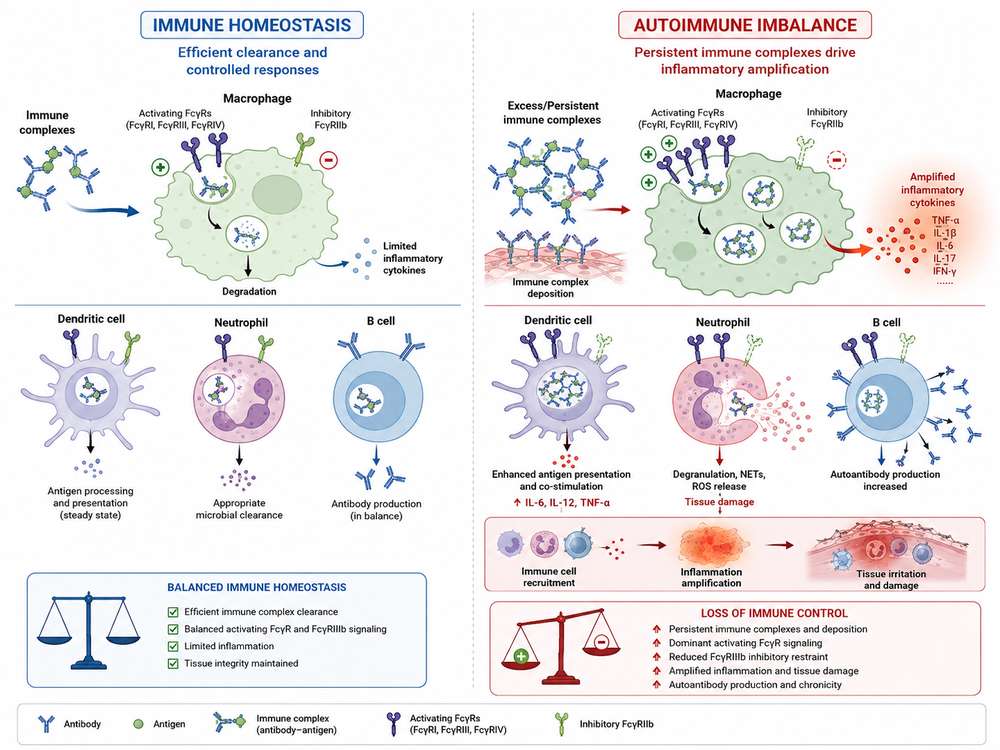 Fig 1. Fc Receptors in Immune Homeostasis and Autoimmune Imbalance
Immune Complex Clearance and Tissue Inflammation
Immune complexes form when antibodies bind soluble or cell-associated antigens. Under normal conditions, immune complexes are efficiently captured, transported, and cleared by phagocytes and complement-associated pathways. This process is essential for preventing persistent immune stimulation. However, when immune complex formation exceeds clearance capacity, or when immune complexes deposit in tissues, Fc receptor engagement can amplify inflammation.
In diseases such as lupus nephritis, rheumatoid arthritis, and immune complex-mediated vasculitis, deposited immune complexes can activate Fc receptors on macrophages, neutrophils, monocytes, and dendritic cells. This activation may promote inflammatory cytokine release, reactive oxygen species production, complement activation, and recruitment of additional immune cells. Therefore, immune complex clearance is not only a waste-removal process but also a checkpoint that determines whether antibody-antigen binding remains protective or becomes pathogenic.
Table 1. Fc Receptor-Related Mechanisms in Autoimmunity and Inflammation
| Research Focus | Key FcR-Related Mechanism | Disease-Relevant Question | Common Experimental Readouts |
|---|---|---|---|
| Immune complex clearance | FcγR-mediated uptake by macrophages and dendritic cells | Are immune complexes efficiently removed or retained in tissues? | Binding assays, phagocytosis assays, immune complex uptake, cytokine profiling |
| Tissue inflammation | Activating FcγR signaling on myeloid cells | Do immune complexes trigger inflammatory cell activation? | TNF-α, IL-6, IL-1β, chemokine release, ROS generation |
| Immune tolerance | Inhibitory FcγRIIb signaling | Is antibody-mediated activation properly restrained? | B-cell activation, SHIP phosphorylation, calcium signaling, cytokine suppression |
| Disease susceptibility | FCGR polymorphisms and copy number variation | Do FcR variants alter receptor expression or IgG binding? | Genotyping, receptor binding assays, cell-based functional assays |
| Model translation | Species-specific FcR differences | Does the animal model reflect human FcR biology? | Cross-species binding panels, receptor expression profiling, functional comparison |
Activating and Inhibitory FcR Balance
A central concept in Fc receptor biology is the balance between activating and inhibitory signaling. Activating Fcγ receptors generally signal through immunoreceptor tyrosine-based activation motifs, either within the receptor itself or through associated signaling chains. These signals can trigger phagocytosis, degranulation, oxidative burst, antigen presentation, and pro-inflammatory cytokine production.
In contrast, the inhibitory FcγRIIb receptor contains an immunoreceptor tyrosine-based inhibitory motif and acts as a brake on immune activation. The outcome of immune complex engagement depends on several factors, including antibody isotype, immune complex size, receptor expression pattern, Fc glycosylation, receptor affinity, local cytokine environment, and the ratio of activating to inhibitory Fc receptor signaling.
In autoimmune disease research, this balance is particularly important because autoantibodies are often chronically present. When activating FcR signaling dominates, immune complexes may drive persistent inflammation. When inhibitory pathways are insufficient, B cells and myeloid cells may become more reactive to self-antigens. For this reason, Fc receptor inflammation studies often compare activating receptors such as FcγRI, FcγRIIa, FcγRIIIa, and FcγRIIIb with inhibitory FcγRIIb.
Table 2. Activating and Inhibitory Fcγ Receptors in Disease Mechanism Studies
| Fcγ Receptor | General Functional Role | Common Research Relevance |
|---|---|---|
| FcγRI / CD64 | High-affinity IgG binding; myeloid activation | Macrophage activation, immune complex uptake, antigen presentation |
| FcγRIIa / CD32a | Activating receptor on myeloid cells and platelets | Immune complex-driven inflammation, platelet activation, neutrophil activation |
| FcγRIIb / CD32b | Inhibitory receptor on B cells and myeloid cells | Immune suppression, tolerance maintenance, autoantibody regulation |
| FcγRIIIa / CD16a | Activating receptor on NK cells and macrophages | Cytotoxicity, inflammatory cell activation, antibody-dependent responses |
| FcγRIIIb / CD16b | GPI-anchored receptor on neutrophils | Neutrophil immune complex handling and inflammatory recruitment |
| FcRn | IgG recycling and immune complex transport | IgG persistence, tissue distribution, antigen-antibody complex handling |
Explore Our Fc Receptor Products
Learn More
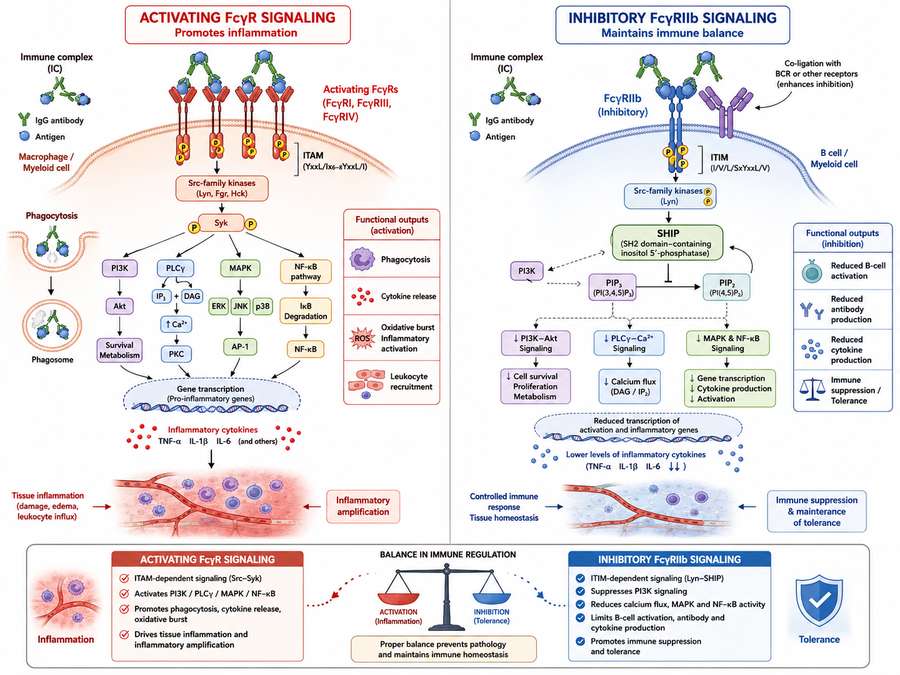 Fig 2. Activating and Inhibitory FcR Balance in Tissue Inflammation
FcγRIIb in Immune Suppression
FcγRIIb is the only classical inhibitory Fcγ receptor and is one of the most important Fc receptors for immune tolerance research. It is expressed on B cells and several myeloid cell populations, where it can reduce activation signals triggered by B-cell receptors, activating Fcγ receptors, or immune complexes. Through its inhibitory signaling pathway, FcγRIIb helps limit excessive antibody responses and inflammatory activation.
In B cells, co-ligation of the B-cell receptor and FcγRIIb can suppress B-cell activation, reduce calcium signaling, and limit antibody production. In myeloid cells, FcγRIIb can counterbalance activating FcγR-mediated responses, thereby reducing inflammatory cytokine release and tissue injury. Because of these functions, impaired FcγRIIb expression or function has been associated with autoimmune susceptibility, especially systemic lupus erythematosus, in both human and animal studies.
For investigators studying Fc receptor-mediated immune suppression, recombinant FcγRIIb proteins can be used to examine IgG subclass binding, compare disease-associated Fc variants, evaluate immune complex recognition, and support mechanistic assays related to immune tolerance. These applications make FcγRIIb a key focus in Fc receptor autoimmune disease research.
FcR Genetic Variation and Disease Susceptibility
The FCGR gene locus is genetically complex. It contains multiple genes with sequence similarity, copy number variation, and single-nucleotide polymorphisms that can influence receptor expression, ligand binding, and immune function. Genetic variation in Fc receptors may affect how individuals respond to immune complexes, how strongly immune cells are activated, and whether inhibitory pathways are sufficient to restrain inflammation.
Examples include polymorphisms that alter IgG subclass binding or receptor expression levels, as well as copy number variation affecting FcγR genes. These variations may influence susceptibility to autoimmune and inflammatory disorders, although associations can differ across populations, disease types, and study designs. Recent reviews emphasize that improved genomic technologies are helping clarify the functional consequences of FCGR variation in disease susceptibility and immune regulation.
For disease mechanism studies, recombinant Fc receptor proteins representing specific receptor variants can help researchers connect genotype to function. Binding studies with defined FcR variants, IgG subclasses, or immune complex preparations can reveal how genetic differences may shift the threshold for immune activation or suppression.
Fc Receptors in Autoimmune Disease Models
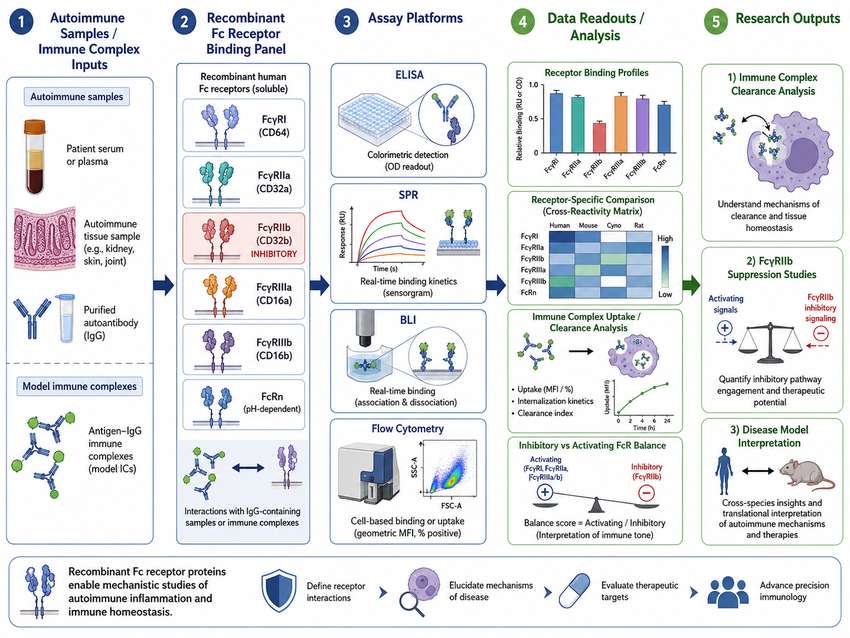 Fig 3. Recombinant FcR Protein Workflow for Autoimmunity Research
Animal models remain important for studying Fc receptor function in autoimmune and inflammatory disease. However, Fc receptor biology is highly species-specific. Human, mouse, rat, and non-human primate Fc receptors differ in receptor number, expression pattern, IgG subclass specificity, affinity, and downstream signaling. These differences can influence how immune complex-mediated inflammation develops in preclinical models.
For example, mouse models of lupus-like disease, antibody-induced arthritis, immune thrombocytopenia, nephritis, and inflammatory skin disease are frequently used to study FcγR-dependent mechanisms. In these systems, genetic deletion or altered expression of activating or inhibitory Fc receptors can affect disease severity, immune complex deposition, and inflammatory cell recruitment. However, translating findings from mouse Fc receptors to human Fc receptor biology requires careful cross-species interpretation.
Researchers studying Fc receptor inflammation can benefit from using recombinant human and animal FcR proteins in parallel. Cross-species FcR binding panels help determine whether an antibody, immune complex, or Fc-containing molecule interacts similarly with human and model-organism receptors. This is especially useful when selecting disease models for immune complex clearance, autoantibody pathogenicity, or inflammatory signaling studies.
Explore Our Fc Receptor Products
Learn More
Recombinant FcR Proteins for Mechanistic Studies
Recombinant Fc receptor proteins provide a controlled experimental system for studying receptor binding and immune complex biology. They can be used in biochemical, biophysical, and cell-associated workflows, including ELISA, flow cytometry, surface plasmon resonance, biolayer interferometry, immune complex binding assays, and receptor competition studies.
In autoimmunity and inflammation research, recombinant FcR proteins are commonly used to answer mechanism-focused questions:
- Which Fc receptors bind a given immune complex?
- Does an IgG subclass preferentially engage activating or inhibitory Fcγ receptors?
- How does Fc glycosylation affect inflammatory receptor binding?
- Do disease-associated FcR variants alter immune complex recognition?
- How do human and mouse Fc receptors differ in binding profiles?
- Can inhibitory FcγRIIb engagement counterbalance activating receptor signaling?
Table 3. Recombinant FcR Products in Autoimmunity Research Workflows
| Product Type | Application | Example Research Use |
|---|---|---|
| Recombinant human FcγR proteins | IgG and immune complex binding studies | Compare activating vs inhibitory receptor recognition |
| Recombinant mouse FcγR proteins | Preclinical disease model interpretation | Evaluate model-specific immune complex interactions |
| FcγRIIb proteins | Immune suppression studies | Analyze inhibitory receptor binding and tolerance-related mechanisms |
| FcRn proteins | IgG recycling and transport research | Study IgG persistence and immune complex handling |
| Biotinylated FcR proteins | SPR, BLI, flow-based capture assays | Support oriented immobilization and kinetic analysis |
| FcR variants | Genetic variation studies | Compare disease-associated receptor polymorphisms |
These tools are particularly useful when combined with cell-based assays. For example, recombinant receptor binding data can be compared with macrophage uptake, neutrophil activation, cytokine release, or B-cell inhibition assays to connect molecular binding with immune function.
Creative BioMart Products for Autoimmunity Research
Creative BioMart provides a broad range of Fc receptor products that can support autoimmunity and inflammation research. These products are suitable for studying Fc receptor binding, immune complex recognition, receptor variant function, and cross-species FcR interactions.
For researchers focused on Fc receptor autoimmune disease, Creative BioMart's Fc receptor product portfolio can be used to support mechanistic studies of immune complex clearance, activating and inhibitory FcR balance, FcγRIIb-mediated suppression, and FcR-related disease susceptibility. Instead of focusing only on antibody drug development, these tools can help answer disease biology questions such as why immune complexes persist, how inflammatory FcR signaling is amplified, and how inhibitory receptor pathways maintain immune homeostasis.
Researchers may use Creative BioMart Fc receptor products for:
- Immune complex binding and clearance studies
- FcγRIIb inhibitory signaling research
- Fc receptor inflammation mechanism analysis
- IgG subclass and Fc glycosylation comparison
- Human-mouse FcR translation studies
- Autoimmune disease model interpretation
- Fc receptor genetic variant functional analysis
By integrating recombinant FcR proteins with disease-relevant immune assays, researchers can build a more complete picture of how Fc receptor pathways contribute to immune balance, tissue inflammation, and autoimmune disease progression.
For a full overview of available Fc receptor-related products and research tools, visit Creative BioMart's Fc receptor products resource page.
Explore Our Fc Receptor Products
Learn More
Resource
-
What Are Fc Receptors? The Immune System's Antibody Response Switch
-
FcRn: The Secret to Long-Lasting Antibodies!
-
ADCC vs ADCP: How Fcγ Receptors Drive Cancer Immunity
-
CD64: The Tiny Receptor with Big Implications!
-
Fc Receptor Polymorphisms: Why Antibody Responses Differ Between Patients
References
- Nimmerjahn F, Ravetch JV. Fc receptors as regulators of immune responses. Nature Reviews Immunology. 2008;8:34–47.
- Takai T. Roles of Fc receptors in autoimmunity. Nature Reviews Immunology. 2002;2:580–592.
- Smith KGC, Clatworthy MR. FcγRIIB in autoimmunity and infection: evolutionary and therapeutic implications. Nature Reviews Immunology. 2010;10:328–343.
- Frampton D, et al. Fc gamma receptors: their evolution, genomic architecture, genetic variation and impact on disease. Immunological Reviews. 2024.
- Espéli M, Smith KGC, Clatworthy MR. FcγRIIB and autoimmunity. Frontiers in Immunology. 2019;10:2061.
- Ben Mkaddem S, et al. Understanding Fc receptor involvement in inflammatory diseases. Frontiers in Immunology. 2019;10:811.
- Rosales C. Fc receptor and integrin signaling in phagocytes. Signal Transduction and Targeted Therapy. 2017;2:17029.
- Bruhns P, Jönsson F. Mouse and human FcR effector functions. Immunological Reviews. 2015;268:25–51.
- Bournazos S, Wang TT, Ravetch JV. The role and function of Fcγ receptors on myeloid cells. Microbiology Spectrum. 2016;4.
- Guilliams M, Bruhns P, Saeys Y, Hammad H, Lambrecht BN. The function of Fcγ receptors in dendritic cells and macrophages. Nature Reviews Immunology. 2014;14:94–108.

Contact us or send an email at for project quotations and more detailed information.
Quick Links
-

Papers’ PMID to Obtain Coupon
Submit Now -

Refer Friends & New Lab Start-up Promotions