

Species-Specific Fc Receptor Proteins for Translational Research
Table of Contents
- Why Species Selection Matters in Fc Receptor Research
- Human Fc Receptor Proteins
- Mouse Fc Receptor Proteins
- Cynomolgus Fc Receptor Proteins
- Rat and Other Species FcR Proteins
- Cross-Species Fc–FcR Binding Considerations
- Preclinical Antibody Development Applications
- Creative BioMart Species-Specific FcR Protein Portfolio
Why Species Selection Matters in Fc Receptor Research
Fc receptors connect antibody recognition with downstream immune biology, making them essential tools in antibody discovery, Fc engineering, pharmacology, and preclinical model selection. However, Fc receptor biology is not identical across species. A therapeutic antibody that binds strongly to a human Fc receptor may show a different binding profile against mouse, cynomolgus monkey, rat, or other animal Fc receptors. These species-dependent differences can influence how researchers interpret in vitro assays, animal efficacy models, toxicology studies, and pharmacokinetic predictions.
For translational antibody research, selecting the correct species-specific Fc receptor protein is therefore not just a reagent choice. It is a study-design decision. Researchers often compare human Fc receptors with mouse or cynomolgus counterparts to evaluate whether an animal model can reasonably represent human Fc-mediated biology. Published cross-species studies have shown that human IgG subclasses and Fc-silent variants can display distinct interaction patterns with human, mouse, and cynomolgus Fcγ receptors, highlighting the importance of using the appropriate receptor panel during preclinical assessment.
When designing a binding or functional prediction workflow, a well-planned panel of human mouse cynomolgus Fc receptor protein reagents can help answer practical questions such as:
- Does the antibody candidate bind the intended human Fc receptor subtype?
- Is the selected mouse or cynomolgus model relevant for Fc-mediated activity?
- Does Fc engineering alter cross-species binding behavior?
- Are observed in vivo results likely to translate to human biology?
- Should the program include additional species such as rat, rabbit, dog, or non-human primate FcR proteins?
For broader background on receptor families, recombinant formats, and assay applications, researchers can explore Creative BioMart's Fc receptor resource page.
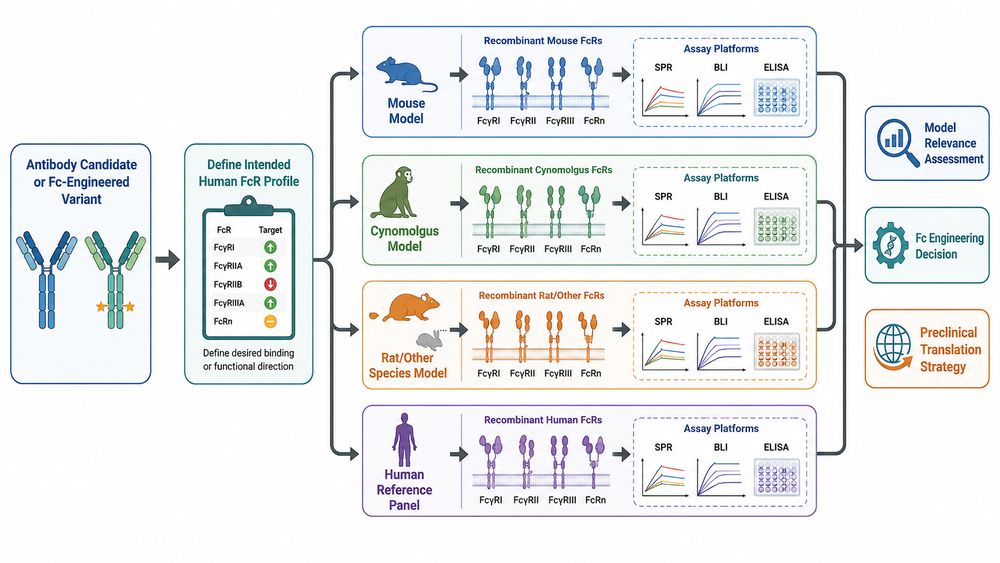 Fig 1. Species Selection Workflow for Fc Receptor Translational Research
Human Fc Receptor Proteins
Human Fc receptor proteins are the primary reference reagents for therapeutic antibody discovery and translational interpretation. They are commonly used to characterize the binding of human IgG subclasses, Fc-engineered antibodies, bispecific antibodies, antibody fragments with Fc regions, fusion proteins, and Fc-silent constructs.
A human FcR binding panel may include Fcγ receptors, FcRn, Fcα receptors, Fcε receptors, or other Fc receptor family members, depending on the antibody class and research purpose. In IgG-focused antibody programs, human FcγR proteins and human FcRn are especially important because they are frequently associated with immune effector potential and antibody persistence.
Typical research uses of human Fc receptor proteins include:
| Human FcR Protein Category | Common Research Purpose | Example Application |
|---|---|---|
| Human FcγRI/CD64 | High-affinity IgG binding assessment | Fc interaction profiling for IgG1-based antibodies |
| Human FcγRIIa/CD32a | Activating FcγR comparison | Fc-engineering and immune-cell model interpretation |
| Human FcγRIIb/CD32b | Inhibitory FcγR analysis | Fc balance, safety, and immune-complex studies |
| Human FcγRIIIa/CD16a | ADCC-related binding evaluation | Antibody screening and Fc-enhancement studies |
| Human FcγRIIIb/CD16b | Neutrophil-associated FcγR studies | Inflammatory and immune-complex research |
| Human FcRn | pH-dependent IgG/Fc binding analysis | Half-life engineering and PK-related studies |
Because human FcγRs include polymorphic variants, such as FcγRIIIa V158/F158 and FcγRIIa H131/R131, variant selection can also be important. A binding profile generated with only one receptor variant may not fully represent population-level FcR diversity. Reviews of IgG subclasses and Fc receptor biology emphasize that subclass, glycosylation, receptor type, and receptor polymorphism can all influence Fc-related antibody behavior.
For antibody programs centered on human biology, recombinant human Fc receptor proteins provide the baseline for comparing Fc binding, ranking candidates, and interpreting engineered Fc formats.
Explore Our Fc Receptor Products
Learn More
Mouse Fc Receptor Proteins
Mouse Fc receptor proteins are widely used in preclinical antibody research because mouse models remain central to immunology, oncology, inflammation, autoimmune disease, and infectious disease studies. However, mouse Fc receptor biology should not be treated as a direct copy of human Fc receptor biology.
Mouse FcγRs have both functional similarities and species-specific differences compared with human FcγRs. Studies comparing mouse and human IgG receptor systems have shown that cross-species conservation exists, but receptor expression, subclass preference, and binding strength can differ in ways that affect disease models and antibody evaluation.
Mouse Fc receptor proteins are useful when researchers need to:
- Assess whether a human or humanized antibody can engage mouse FcγRs.
- Interpret antibody efficacy in syngeneic, xenograft, or humanized mouse models.
- Compare wild-type, Fc-silent, or Fc-enhanced antibody formats.
- Support mechanistic studies involving Fc-mediated clearance, immune complex biology, or myeloid-cell engagement.
- Bridge in vitro receptor binding data with in vivo mouse model outcomes.
Human vs. Mouse FcR Selection Considerations
| Study Question | Recommended FcR Protein Panel | Why It Matters |
|---|---|---|
| Is the antibody optimized for human biology? | Human FcγRs and human FcRn | Defines clinically relevant Fc binding profile |
| Can mouse efficacy data reflect Fc-mediated activity? | Mouse FcγRs plus human FcγRs | Helps identify translational gaps |
| Does Fc engineering affect preclinical model readouts? | Human and mouse receptor comparison | Detects species-biased binding changes |
| Is a human FcRn mouse model being used? | Human FcRn and mouse FcRn, when relevant | Supports PK interpretation |
| Is Fc silencing conserved across models? | Human and mouse activating/inhibitory FcγRs | Confirms reduced receptor engagement |
For programs using mouse disease models, mouse Fc receptor proteins can be paired with human receptor proteins to create a translational bridge between preclinical results and human therapeutic expectations.
Cynomolgus Fc Receptor Proteins
Cynomolgus monkey Fc receptor proteins are particularly important in therapeutic antibody development because cynomolgus monkeys are frequently used in nonclinical pharmacology, toxicology, and pharmacokinetic studies for biologics. Compared with rodents, cynomolgus monkeys may provide closer biological relevance for certain human antibody candidates, especially when target expression and Fc-related pathways are conserved.
However, cynomolgus FcR binding should still be measured directly rather than assumed. Human IgG subclasses and Fc variants can show species-dependent interaction patterns with cynomolgus Fc receptors, and these differences can affect how non-human primate data are interpreted. Cross-species FcγR binding studies comparing human, mouse, and cynomolgus receptors support the use of cynomolgus Fc receptor panels in translational antibody assessment.
Cynomolgus Fc receptor proteins are often used for:
- Preclinical candidate selection before non-human primate studies.
- Fc-engineered antibody comparability testing.
- Toxicology model relevance assessment.
- FcRn-related pharmacokinetic translation.
- Species cross-reactivity studies for human IgG1, IgG2, IgG4, and Fc-silent variants.
- Bridging in vitro receptor binding data with in vivo cynomolgus monkey study design.
For FcRn-related programs, cynomolgus data may also contribute to human PK prediction strategies. Published studies have evaluated cynomolgus monkey data and allometric scaling approaches for predicting human pharmacokinetics of Fc-engineered antibodies with altered FcRn binding.
When to Include Cynomolgus FcR Proteins
| Development Stage | Why Cynomolgus FcR Proteins Are Useful |
|---|---|
| Early antibody screening | Identifies candidates with favorable cross-species binding |
| Fc engineering | Detects whether Fc modifications behave similarly across species |
| Candidate nomination | Supports model relevance decisions |
| Toxicology planning | Helps justify non-human primate model selection |
| PK translation | Supports FcRn-related interpretation for antibody half-life studies |
For translational programs, cynomolgus Fc receptor proteins are especially valuable when paired with matched human receptor proteins in the same assay platform.
Explore Our Fc Receptor Products
Learn More
Rat and Other Species FcR Proteins
Rat Fc receptor proteins and other non-human species FcR proteins may be needed for specialized preclinical models, toxicology studies, comparative immunology, veterinary antibody research, or reagent cross-reactivity analysis. Although mouse and cynomolgus systems are more common in therapeutic antibody development, rat models remain important in inflammation, neuroscience, toxicology, cardiovascular research, and pharmacology.
Other species-specific Fc receptor proteins may be relevant when researchers need to evaluate antibodies or Fc-fusion proteins in:
- Rat efficacy or toxicology models
- Rabbit immunology or antibody reagent studies
- Canine or feline translational/veterinary models
- Non-human primate comparative studies
- Custom species cross-reactivity panels
- Fc-based reagent development and assay validation
Because Fc receptors and IgG subclasses evolved differently across species, researchers should avoid assuming that Fc binding data from one animal species will automatically apply to another. Species-specific recombinant receptor proteins allow direct testing under controlled assay conditions.
Species Selection Matrix for FcR Studies
| Species | Common Research Context | Typical Value in Translational Research |
|---|---|---|
| Human | Therapeutic relevance, clinical translation | Defines intended clinical FcR interaction profile |
| Mouse | Disease models, mechanism studies, efficacy models | Supports interpretation of mouse in vivo studies |
| Cynomolgus monkey | Toxicology, PK, safety pharmacology | Helps bridge non-human primate data to human biology |
| Rat | Pharmacology, toxicology, specialized disease models | Supports rat model interpretation |
| Rabbit | Antibody reagent studies, comparative binding | Useful for reagent and immunology workflows |
| Canine/feline | Veterinary biologics, comparative medicine | Supports species-specific biologic evaluation |
| Other species | Custom model systems | Enables tailored cross-species FcR analysis |
Cross-Species Fc–FcR Binding Considerations
Cross-species Fc–FcR binding analysis helps researchers understand whether a preclinical model is suitable for evaluating a therapeutic antibody candidate. Even when antigen binding is conserved across species, Fc receptor engagement may not be conserved. This means a model can be relevant for target biology but less reliable for Fc-mediated mechanisms.
Several factors should be considered when designing cross-species Fc receptor studies:
| Consideration | Why It Matters | Practical Recommendation |
|---|---|---|
| IgG subclass | Different subclasses interact differently with FcRs | Test the exact antibody subclass used in development |
| Fc mutations | Fc engineering may alter receptor selectivity | Compare wild-type and engineered Fc variants |
| Receptor polymorphism | Human FcγR variants can differ in binding strength | Include key polymorphic variants when relevant |
| Species orthology | Similar receptor names may not mean identical binding | Test receptor proteins from each species directly |
| Glycosylation | Fc glycan composition can affect binding | Use well-characterized antibody preparations |
| Assay format | Immobilization and orientation may affect readout | Use consistent platforms such as SPR, BLI, or ELISA |
| FcRn pH dependence | FcRn binding is pH-sensitive | Test acidic and neutral pH conditions where appropriate |
For example, a candidate designed for enhanced human FcγRIIIa binding may not show the same enhancement against mouse or cynomolgus FcγR counterparts. Conversely, an Fc-silent antibody may need to be tested across multiple species to confirm reduced binding in the selected preclinical model. Systematic cross-reactivity studies are therefore useful for identifying caveats when translating between animal models and human Fc receptor biology.
A cross-species Fc receptor panel can be used early in development to reduce uncertainty before expensive in vivo studies are initiated.
 Fig 2. Cross-Species Fc–FcR Binding Comparison Matrix
Preclinical Antibody Development Applications
Species-specific Fc receptor proteins can support multiple stages of antibody development, from early discovery to nonclinical strategy. Their value is especially clear when Fc-mediated activity, Fc silencing, FcRn-mediated half-life extension, immune complex formation, or effector-function modulation may influence product performance.
Key Applications
| Application | Role of Species-Specific FcR Proteins |
|---|---|
| Candidate screening | Compares Fc binding profiles across human and model species |
| Fc engineering | Evaluates enhanced, reduced, or selective FcR engagement |
| Fc-silent antibody validation | Confirms reduced FcγR binding across relevant species |
| Nonclinical model selection | Supports choice of mouse, rat, or cynomolgus model |
| Toxicology planning | Helps assess receptor-mediated safety relevance |
| PK and half-life studies | Supports FcRn binding analysis across species |
| Comparability studies | Evaluates whether Fc changes alter species-specific binding |
| Mechanistic research | Links receptor binding to model interpretation |
In Fc-engineered antibody programs, nonclinical testing strategies may need to account for altered Fc receptor binding, effector function, Fc receptor blockade, Fc silencing, and potential safety implications. Recent reviews emphasize that Fc modifications can affect pharmacology and toxicology interpretation, making receptor binding characterization an important component of translational study design.
By integrating species-specific Fc receptor proteins into early screening workflows, researchers can build a clearer connection between in vitro binding data, animal model results, and expected human antibody behavior.
Explore Our Fc Receptor Products
Learn More
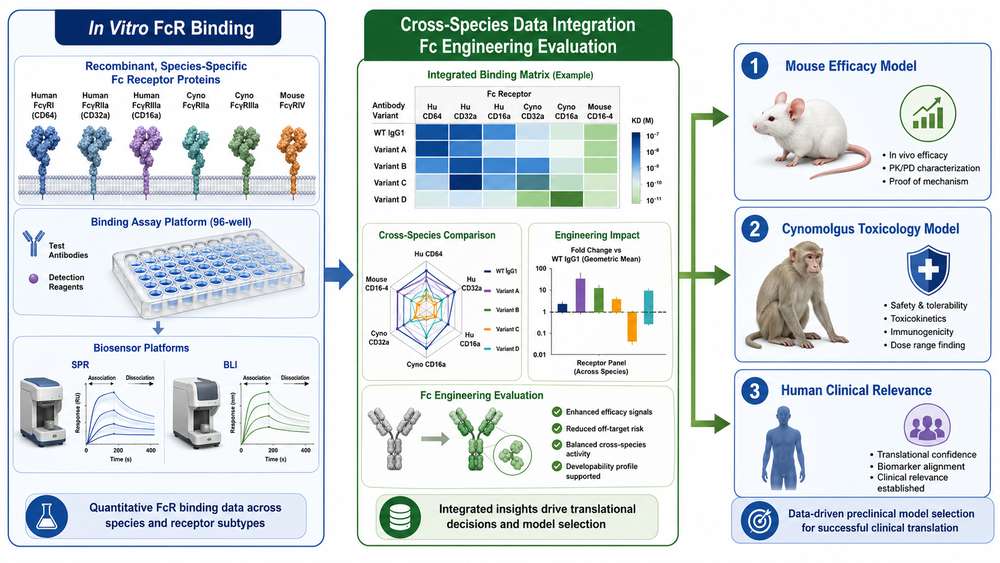 Fig 3. Translational Bridge from In Vitro FcR Binding to Preclinical Model Selection
Creative BioMart Species-Specific FcR Protein Portfolio
Creative BioMart provides recombinant Fc receptor proteins designed to support antibody discovery, Fc engineering, immune-oncology research, inflammatory disease studies, and preclinical translational workflows. The portfolio can support research involving human, mouse, cynomolgus, rat, and other species-specific FcR proteins, depending on project needs.
Researchers can use Creative BioMart's FcR protein resources to build customized panels for:
- Human Fc receptor binding analysis
- Mouse Fc receptor comparison studies
- Cynomolgus Fc receptor translational assessment
- Rat or other animal model FcR profiling
- FcγR, FcRn, FcαR, FcεR, and related receptor studies
- SPR, BLI, ELISA, and other binding assay formats
- Fc-engineered antibody and Fc-silent antibody evaluation
- Cross-species antibody developability studies
For a broader overview of recombinant Fc receptor categories and research applications, visit Creative BioMart's Fc receptor resource center. Researchers developing cross-species panels may also use this page as a starting point to identify relevant human mouse cynomolgus Fc receptor protein options for translational antibody research.
A practical approach is to begin with the intended clinical receptor set, then add mouse, cynomolgus, rat, or other animal FcR proteins according to the selected preclinical models. This strategy helps ensure that Fc binding data are aligned with both human therapeutic goals and animal model interpretation.
Explore Our Fc Receptor Products
Learn More
Resource
-
What Are Fc Receptors? The Immune System's Antibody Response Switch
-
FcRn: The Secret to Long-Lasting Antibodies!
-
ADCC vs ADCP: How Fcγ Receptors Drive Cancer Immunity
-
CD64: The Tiny Receptor with Big Implications!
-
Fc Receptor Polymorphisms: Why Antibody Responses Differ Between Patients
References
- Overdijk, M. B., et al. Human IgG subclass cross-species reactivity to mouse and cynomolgus monkey Fcγ receptors. Journal of Immunological Methods. 2018.
- Bruhns, P. Properties of mouse and human IgG receptors and their contribution to disease models. Blood. 2012.
- Dekkers, G., et al. Affinity of human IgG subclasses to mouse Fc gamma receptors. mAbs. 2017.
- Mancardi, D. A., et al. Cross-reactivity of mouse IgG subclasses to human Fc gamma receptors. Immunology Letters. 2020.
- Bruhns, P., and Jönsson, F. Mouse and human Fc receptor biology in antibody-mediated immunity. Nature Reviews Immunology.
- Stapleton, N. M., et al. IgG subclasses and allotypes: from structure to effector functions. Frontiers in Immunology. 2014.
- Nagano, K., et al. Translational approach for predicting human pharmacokinetics of Fc-engineered therapeutic monoclonal antibodies using cynomolgus monkey data. Clinical Pharmacokinetics. 2022.
- Zalevsky, J., et al. Enhanced Fcγ receptor affinity and antibody activity in non-human primate models. Blood.
- Challa, D. K., et al. Fc engineering and Fc receptor interaction considerations in therapeutic antibody development. mAbs.
- Recent review: Impact of antibody Fc engineering on translational pharmacology and nonclinical testing strategies. mAbs. 2025.

Contact us or send an email at for project quotations and more detailed information.
Quick Links
-

Papers’ PMID to Obtain Coupon
Submit Now -

Refer Friends & New Lab Start-up Promotions