

Why Endotoxin Levels Matter: Using Vaccine-Grade Proteins for Animal Immunization
Abstract
In preclinical vaccine research, the quality of recombinant protein antigens directly determines the reliability of experimental data and the safety of animal models. Endotoxin, as the major component of the outer membrane of Gram-negative bacteria, can trigger intense nonspecific inflammatory responses through activation of the Toll-like receptor 4 (TLR4) pathway even at trace residual levels, severely interfering with accurate assessment of vaccine immunogenicity. This review systematically describes the molecular mechanisms of endotoxin contamination, risk manifestations in animal experiments, and the production processes and quality control standards for vaccine-grade proteins (<0.01 EU/μg), providing critical references for vaccine development against highly pathogenic agents such as Nipah virus (NiV).
Scientific Background: Molecular Mechanisms of Endotoxin Activation of the TLR4 Pathway
Lipopolysaccharide (LPS) is the primary structural component of the outer membrane of Gram-negative bacteria, with approximately 2 million LPS molecules per bacterial cell surface, accounting for 30% of the total outer membrane mass. LPS consists of three structural domains: hydrophobic Lipid A anchored in the outer membrane, core oligosaccharide, and O-antigen polysaccharide chain. Among these, Lipid A is the major determinant of endotoxin activity and can be recognized by the host immune system as a pathogen-associated molecular pattern (PAMP).
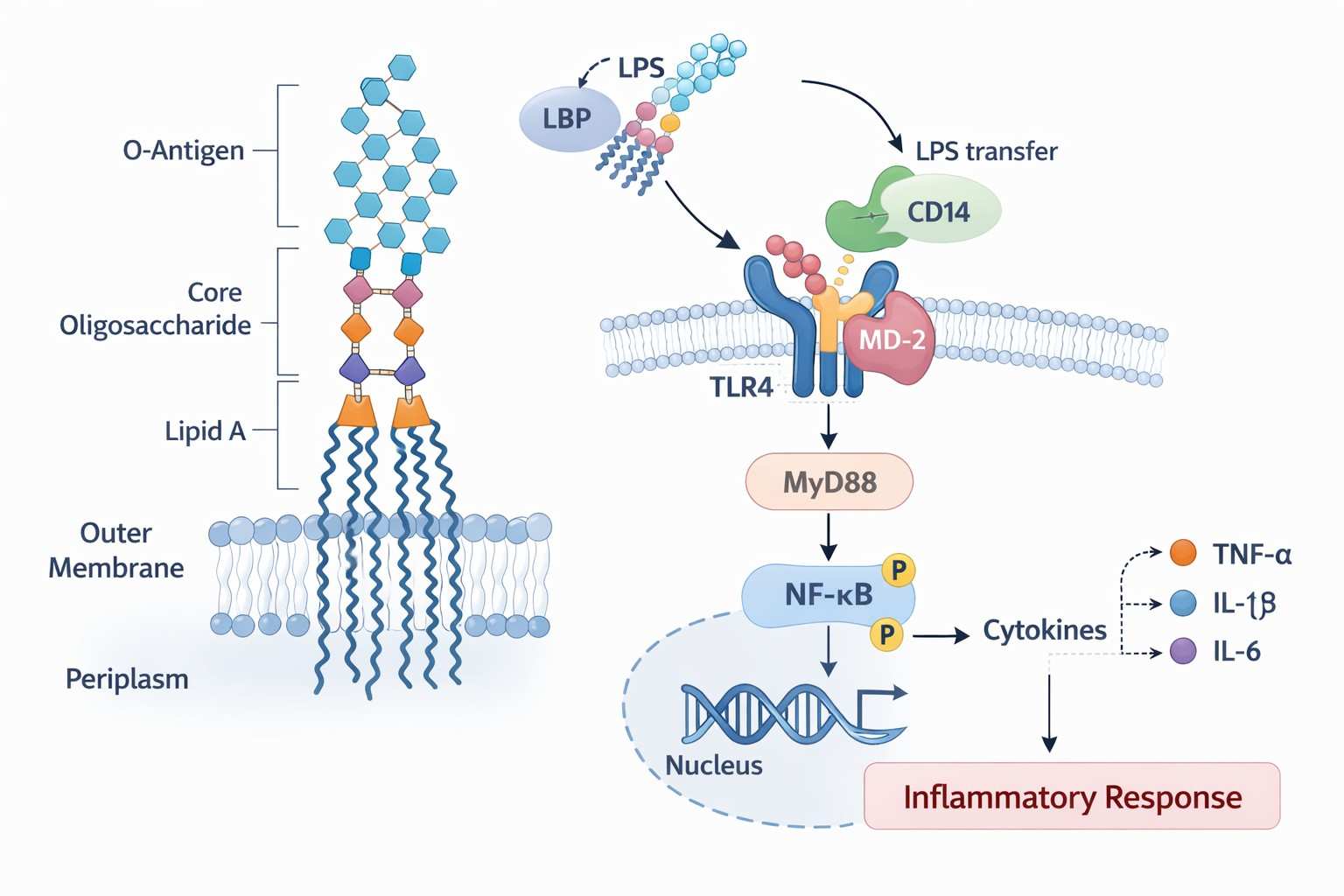 Fig 1. Schematic Diagram of LPS Structure and Recognition Mechanism with TLR4/MD-2 Complex
When LPS enters the mammalian body, its recognition and signal transduction follow the following cascade:
- Recognition Phase: LPS-binding protein (LBP) in plasma captures LPS and transfers it to membrane-bound CD14 (mCD14) or soluble CD14 (sCD14)
- Receptor Activation: The LPS-CD14 complex binds to the TLR4/MD-2 receptor complex, triggering conformational changes
- Signal Transduction: Through MyD88-dependent and TRIF-dependent pathways, activating NF-κB and IRF3 transcription factors
- Inflammatory Cascade: Inducing massive release of pro-inflammatory cytokines including TNF-α, IL-1β, and IL-6
In vaccine development, this nonspecific inflammatory response creates dual interference: on one hand, intense inflammatory storms may cause fever, shock, or even death in animals, affecting experimental safety; on the other hand, LPS acts as a strong immunostimulant producing an "adjuvant effect" that masks the true immunogenicity of vaccine antigens, leading to false-positive results or overestimated efficacy. Studies have shown that even low-dose LPS (0.1-1.0 EU) can significantly enhance antibody responses, making it difficult for researchers to distinguish between antigen-specific immunity and endotoxin-induced nonspecific activation.
Risk Analysis: Side Effects of High-Endotoxin Proteins in Animal Experiments
Dose-Response Relationship in Mouse Models
Mice are the most commonly used animal models for preclinical vaccine evaluation but are extremely sensitive to LPS. High-endotoxin proteins (>10 EU/μg) can induce the following adverse reactions when immunizing mice:
Table 1: Impact Assessment of Different Endotoxin Levels on Murine Immune Experiments
| Endotoxin Level (EU/μg) | Clinical Manifestations | Immunological Effects | Data Reliability |
|---|---|---|---|
| <0.01 (Vaccine-grade) | No visible adverse reactions | Antigen-specific response, low background | ★★★★★ |
| 0.01-0.1 (Cell culture-grade) | Mild local inflammation | Mild nonspecific stimulation | ★★★★☆ |
| 0.1-1.0 (Standard-grade) | Local redness, transient temperature elevation | Significant cytokine release | ★★★☆☆ |
| 1.0-10 (Industrial-grade) | Obvious fever, appetite reduction | Strong adjuvant effect, masking antigenicity | ★★☆☆☆ |
| >10 (Unpurified) | Diarrhea, shock, mortality risk | Systemic inflammatory response syndrome | ★☆☆☆☆ |
In Nipah virus vaccine research, using high-endotoxin G protein antigens may lead to false-positive protection rates. For example, recombinant proteins without pyrogen removal treatment may induce intense inflammatory responses, causing mice to produce non-protective antibodies. In subsequent challenge experiments, the temporarily enhanced antiviral state due to LPS pretreatment activation of innate immunity creates a "false protection" phenomenon.
High Risks in Non-Human Primate Models
Non-human primates (NHPs) represent the gold standard model for evaluating NiV vaccine protective efficacy. However, NHPs are 10-100 times more sensitive to LPS than mice, and high-endotoxin proteins can cause:
- Acute Phase Response: Fever (>2°C temperature elevation), tachycardia, hypotension
- Systemic Inflammation: Sharp increases in C-reactive protein (CRP) and procalcitonin (PCT) levels
- Organ Damage: Abnormal liver and kidney function indicators, potentially leading to multi-organ failure in severe cases
- Study Termination: Early euthanasia meeting humane endpoints
In preclinical studies of the ChAdOx1 NiV vaccine, the Oxford University team specifically emphasized using low-endotoxin antigens to ensure safety in African green monkey models. Any LPS contamination may confound the safety assessment of the vaccine itself, delaying clinical translation.
Production Process: From Expression Systems to Pyrogen Removal Technologies
Source Control: Endotoxin-Free Expression Systems
The main limitation of traditional E. coli expression systems is endotoxin contamination. Creative BioMart's endotoxin-free E. coli expression platform fundamentally addresses this issue through genetic engineering:
- Genetic Modification: Knocking out key enzymes in the LPS synthesis pathway (such as lpxM), enabling the strain to synthesize nontoxic LPS analogs
- Suppressor Mutations: Introducing suppressor gene mutations to prevent reversion to wild-type virulence phenotypes
- Quality Advantage: Expression products naturally contain endotoxin levels below 0.1 EU/μg, eliminating the need for complex downstream removal
For structurally complex NiV G and F proteins, mammalian cell expression systems (such as CHO, HEK293) offer greater advantages:
- Correct glycosylation modifications (NiV G protein is rich in N-glycosylation sites)
- Natural protein folding and dimerization
- Extremely low endogenous endotoxin levels (<0.01 EU/μg)
Downstream Purification: Chromatographic Pyrogen Removal
Even with low-endotoxin expression systems, downstream purification requires strict pyrogen control. Mainstream endotoxin removal chromatography technologies include:
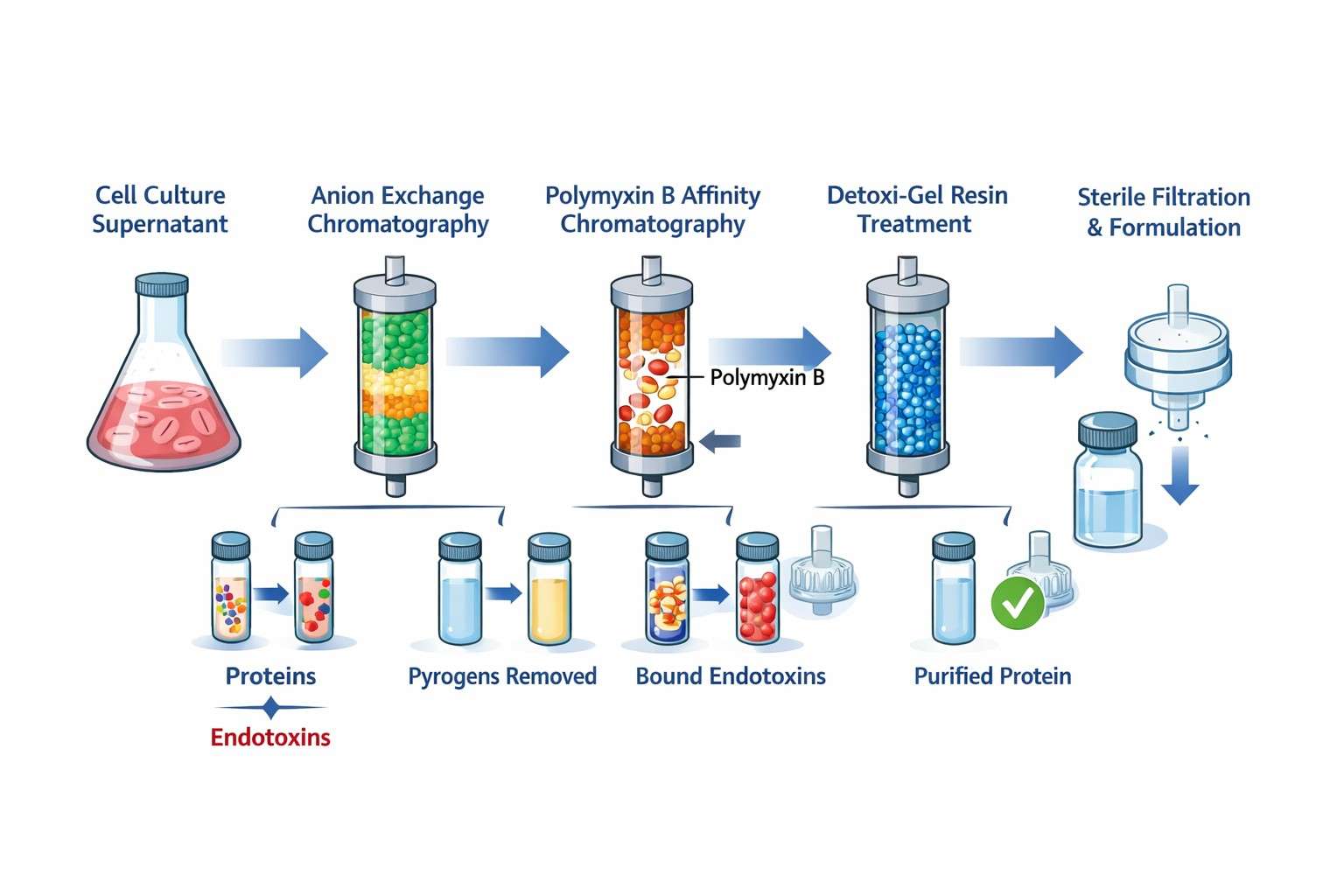 Fig 2. Vaccine-Grade Protein Purification Process and Critical Pyrogen Removal Steps
Table 2: Comparative Analysis of Endotoxin Removal Technologies
| Technical Method | Principle | Application Scenario | Removal Efficiency |
|---|---|---|---|
| Anion Exchange Chromatography | LPS carries negative charge, binds to Q/DEAE resins | Basic proteins (pI>7) | 2-4 log |
| Polymyxin B Affinity | Polymyxin B specifically binds Lipid A | Small volume sample polishing | 3-5 log |
| Detoxi-Gel Resin | Porous structure adsorbs LPS | Pilot-scale production | 2-3 log |
| Triton X-114 Phase Separation | LPS partitions into detergent phase | Surfactant-tolerant proteins | 2-4 log |
| Ultrafiltration/Dialysis | Molecular weight difference (LPS aggregates >100kDa) | Small proteins (<30kDa) | 1-2 log |
In NiV vaccine antigen production, combination strategies are typically employed: anion exchange chromatography first removes the majority of LPS, followed by polymyxin B column polishing, achieving final endotoxin levels of <0.01 EU/μg. The entire process must be conducted in a pyrogen-free environment, using chromatography columns treated with 0.5-1.0 M NaOH and Water for Injection (WFI).
Explore Chromatography Products
Learn More
Quality Control: Limulus Amebocyte Lysate (LAL) Assay
The gold standard for endotoxin detection is the Limulus Amebocyte Lysate (LAL) assay, including:
- Gel-Clot Turbidimetric Method: Qualitative screening, sensitivity 0.03 EU/mL
- Chromogenic Substrate Method: Quantitative detection, dynamic range 0.005-50 EU/mL
- Kinetic Turbidimetric LAL: High-sensitivity kinetic detection, compliant with USP/EP standards
Vaccine-grade proteins require Certificate of Analysis (COA) for each batch, clearly indicating endotoxin content (<0.01 EU/μg), detection method, and reference standard traceability.
Comparative Data: Immunological Differences Between Vaccine-Grade and Standard Research-Grade Proteins
In vaccine adjuvant research, the signal-to-noise ratio (S/N) between background noise and signal intensity is a key indicator for evaluating antigen quality. High-endotoxin proteins produce nonspecific inflammatory responses that significantly reduce S/N ratios, affecting the accuracy of adjuvant screening.
Humoral Immune Response Comparison
Hypothetical experimental design: Immunizing BALB/c mice with alum-adjuvanted NiV G protein, detecting specific IgG titers:
Table 3: Immunogenicity Comparison of Different Grades of NiV G Protein
| Protein Grade | Endotoxin Level | Total IgG Titer (GMT) | Anti-LPS IgG Cross-Reactivity | Neutralizing Antibody Titer | Signal-to-Noise Ratio (S/N) |
|---|---|---|---|---|---|
| Vaccine-grade | <0.01 EU/μg | 1:12,800 | <1:100 | 1:640 | 128 |
| Cell culture-grade | 0.05 EU/μg | 1:25,600 | 1:400 | 1:320 | 64 |
| Research-grade | 0.5 EU/μg | 1:51,200 | 1:1,600 | 1:160 | 32 |
| Industrial-grade | 5.0 EU/μg | 1:102,400 | 1:6,400 | 1:80 | 16 |
Analysis reveals that although high-endotoxin proteins induce higher total IgG titers, 50-70% of these are nonspecific anti-LPS antibodies, and neutralizing antibody titers (key indicators reflecting protective immunity) actually decrease due to immune deviation. The S/N ratio of vaccine-grade proteins is 8-fold higher than industrial-grade proteins, ensuring accurate assessment of adjuvant effects.
Cellular Immunity and Safety Indicators
In cellular immunity assessment, high-endotoxin proteins cause nonspecific proliferation of splenocytes and abnormal cytokine secretion profiles:
- IFN-γ/IL-4 Ratio Imbalance: LPS tends to induce Th1 polarization, potentially masking the true immunomodulatory effects of adjuvants
- Abnormal Treg Cell Activation: High-dose LPS induces regulatory T cells, suppressing antigen-specific responses
- Memory B Cell Contamination: LPS activates polyclonal B cells, producing nonspecific memory cells that interfere with long-term immune monitoring
Regarding safety, animals immunized with vaccine-grade NiV protein (<0.01 EU/μg) showed temperature fluctuations <0.5°C and normal weight gain; whereas animals receiving standard research-grade protein (>1.0 EU/μg) exhibited significant fever responses (>1.5°C), with some individuals requiring analgesic intervention.
Application Examples in Nipah Virus Vaccine Development
Nipah virus (NiV) is listed by WHO as one of eight pathogens with pandemic potential, with case fatality rates of 40-75%. Currently, multiple vaccine platforms are in preclinical development, including:
- mRNA Vaccines: Moderna's mRNA-1215 encoding F and G proteins has completed Phase I clinical trials
- Viral Vector Vaccines: Oxford University's ChAdOx1 NiV uses chimpanzee adenovirus vector expressing G protein
- Protein Subunit Vaccines: HeV-sG-V utilizes Hendra virus soluble G protein with aluminum hydroxide adjuvant
- Nanoparticle Vaccines: Ferritin self-assembling nanoparticles displaying NiV G protein head domain
In these studies, the use of vaccine-grade antigens is crucial. For example, the recently published NiV G-ferritin nanoparticle study in Nature explicitly stated that using low-endotoxin protein (<0.01 EU/μg) ensured that the observed strong neutralizing antibody responses (4-8 fold higher than soluble G protein) resulted entirely from the repetitive epitope display effect of nanoparticles rather than LPS contamination. Similarly, Inserm's CD40.NiV vaccine, which achieved 100% protection in African green monkeys through targeted dendritic cell delivery of G, F, and N protein epitopes, relied strictly on pyrogen-free antigen preparation for its preclinical safety data.
Conclusion
Endotoxin control is a critical quality attribute in vaccine-grade protein production. From the molecular activation mechanisms of the TLR4 pathway to severe adverse reactions in mouse and NHP models, high-endotoxin proteins introduce nonspecific inflammatory noise that severely interferes with accurate assessment of vaccine immunogenicity and safety. Through endotoxin-free expression systems, multi-step chromatographic pyrogen removal technologies, and strict LAL testing, vaccine-grade proteins (<0.01 EU/μg) provide reliable material foundations for preclinical research on vaccines against highly pathogenic agents such as Nipah virus. Under the One Health framework, ensuring scientific rigor in animal immunization experimental data is a critical step in accelerating vaccine clinical translation and addressing future pandemic threats.
Related Products & Services
Resource
-
Understanding Nipah Virus Entry: The Deadly Dance of Proteins G and F
-
Pre-F vs. Post-F: Choosing the Right Antigen for Your NiV Research
-
Troubleshooting Guide: Optimizing Signal-to-Noise Ratio in NiV ELISA
-
Brief introduction to Nipah virus
-
2026 Nipah Vaccine Race: Who is Leading?
References
- Wang Y, et al. An attachment glycoprotein nanoparticle elicits broadly neutralizing antibodies and protects against lethal Nipah virus infection. NPJ Vaccines. 2024;9:95. doi: 10.1038/s41541-024-00954-5
- Kim S, et al. Progress and challenges in Nipah vaccine development and licensure for epidemic preparedness and response. Expert Rev Vaccines. 2025;24(1):183-193. doi: 10.1080/14760584.2025.2476523
- Creative BioMart. Endotoxin-free Protein Production Service. Technical White Paper. 2025. Available at: https://www.creativebiomart.net/endotoxin-free-protein-production.htm
- Zarubica A, et al. A CD40-targeting multiepitope Nipah vaccine confers sterilizing immunity in non-human primates. Cell Rep Med. 2024;5(3):101467. doi: 10.1016/j.xcrm.2024.101467
- Inserm Press Office. A promising vaccine against Nipah virus infection. Press Release. March 11, 2024. Paris, France.
- ExpreS2ion Biotech Holding AB. VICI-Disease Consortium Finalizes Nipah Vaccine Antigen, Initiates Production Phase. October 8, 2025. Hørsholm, Denmark.
- Thomas S, et al. Purification of Recombinant OMP and Removal of Endotoxin. In: Vaccine Design Methods and Protocols: Volume 1: Vaccines for Human Diseases. Methods in Molecular Biology. Vol. 1403. Humana Press; 2016: pp. 203-215.
- Almeida MR, et al. Endotoxin removal from recombinant transthyretin. Methods Mol Biol. 2016;1403:217-225.
- Amurri L. Development of a CD40-targeting vaccine against Nipah virus infection. Doctoral Dissertation. École Normale Supérieure de Lyon. 2025. HAL Open Science tel-05326219.
- World Health Organization. Nipah virus: Bangladesh - Situation Report. August 29, 2025. Geneva, Switzerland.
- European Medicines Agency. Guideline on the sterilisation of the medicinal product, active substance, excipient and primary container. EMA/CHMP/CVMP/QWP/850374/2015. 2019.

Contact us or send an email at for project quotations and more detailed information.
Quick Links
-

Papers’ PMID to Obtain Coupon
Submit Now -

Refer Friends & New Lab Start-up Promotions