

Immunotherapy Panorama: From Molecular Design to Clinical Implementation
Abstract of Immunotherapy
Immunotherapy is undergoing a second paradigm shift, moving from "single-point strikes" targeting individual molecules to "multidimensional collaboration" with multiple technologies and targets. According to industry data, the global immunotherapy market reached $187 billion in 2024, maintaining a robust compound annual growth rate (CAGR) of 14.6% from 2020 to 2024. This article outlines the technological evolution, core targets, and technical matching logic of immunotherapy, discusses clinical translation challenges and regulatory dynamics, and proposes five future trends, identifying 2027 as a key turning point for the second exponential growth in the industry, providing a comprehensive reference for researchers, industry professionals, and clinicians.
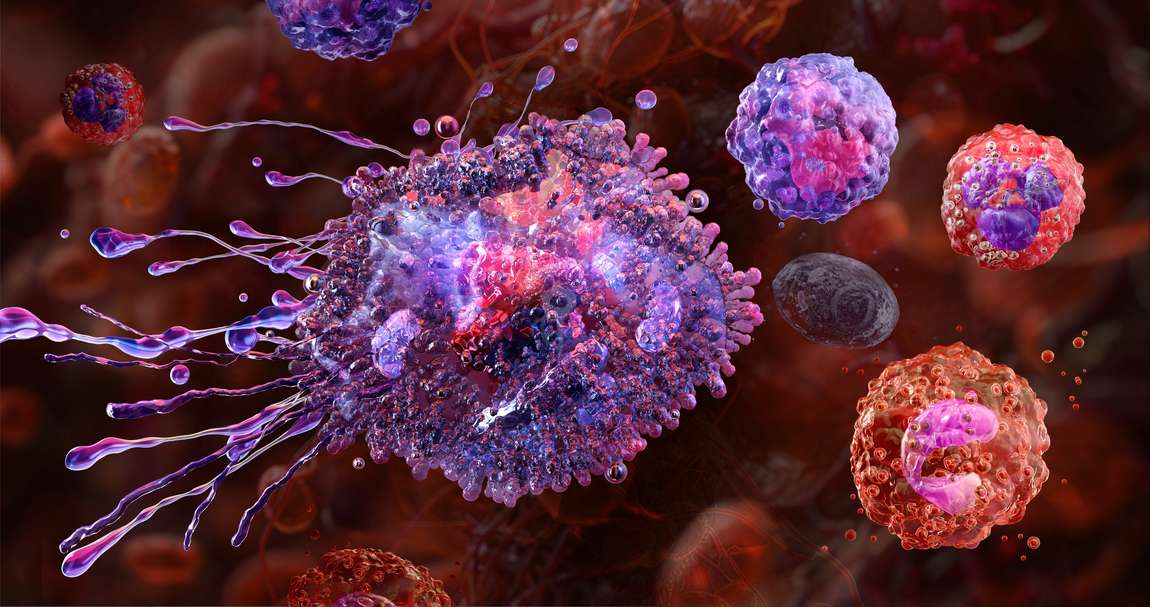
Introduction: The Chronology of Immunotherapy
The development of immunotherapy has not been achieved overnight but has evolved over a century of technological iterations, forming a clear history of "four paradigms shifts," with the core development shifting from "passive immune activation" to "precise immune regulation."
1.1 Four Paradigmatic Shifts: From "Rough Exploration" to "Precise Coordination"
1890s Initial Stage -The Accidental Breakthrough of Coley's Toxins: American surgeon William Coley discovered that injecting extracts of streptococcus pyogenes (later known as "Coley's Toxins") could reduce some sarcoma lesions. This was the first time the phenomenon that "the immune system can attack tumors" was observed, although the therapy could not be widely applied due to uncontrollable toxicity and unknown mechanisms. It sowed theoretical seeds for immunotherapy.
1970s Development Stage - The Scale Attempt of Cytokines: After the breakthrough in recombinant technology, interferon-alpha (IFN-α) and interleukin-2 (IL-2) were successively used clinically; especially IL-2 showed some efficacy in melanoma and renal cancer. However, these drugs required high doses, leading to severe side effects like capillary leak syndrome, and were effective only in 5%-10% of patients, exposing the limitations of "general immune activation."
2011 Breakthrough Stage - "Unlocking" Immune Checkpoints: The approval of the first CTLA-4 antibody Ipilimumab for melanoma marked the beginning of the "precise regulation era" of immunotherapy—by blocking the "inhibitory signals" (such as PD-1/PD-L1, CTLA-4) of tumors on immune cells, restoring the killer function of T cells. Over the next decade, PD-1/PD-L1 antibodies became "broad-spectrum anticancer drugs," covering more than 20 indications such as lung cancer and gastric cancer, propelling the industry into its first explosive growth period.
2020s Coordination Stag - A New Paradigm of Multi-Modal Combination: The response rate of single checkpoint antibodies remained limited (around 15%-30% in solid tumors), and the industry began exploring "1+1>2" combination strategies, such as "bispecific antibody + ADC," "CAR-T + immune checkpoint inhibitors," and "PROTAC + cytokines." The core principle is to simultaneously regulate multiple immune pathways, addressing issues such as tumor microenvironment inhibition and immune cell exhaustion, leading to the "second paradigmatic shift" in immunotherapy.
1.2 Definition Clarification: Avoiding Conceptual Confusion
In clinical and industrial contexts, terms "Immuno-Oncology (IO)," "Immunotherapy," and "Immune-Modulating Therapy" are often used interchangeably. Their core differences lie in scope and regulatory targets:
Immunotherapy: The broadest concept, referring to all strategies that "regulate immune system functions to treat diseases," including anti-cancer, anti-infection (like vaccines), and treatment of autoimmune diseases (like immunosuppressants).
Immuno-Oncology (IO): A subset of immunotherapy specifically referring to "immune regulation strategies against tumors," currently the core research area in the industry (accounting for over 85% of the immunotherapy market).
Immune-Modulating Therapy: Focuses on "correcting immune imbalances," covering both immune activation (such as IO) and immune suppression (like TNF-α antibodies for rheumatoid arthritis), emphasizing "precise immune function restoration" rather than "unidirectional activation/suppression."
1.3 Why is 2025 a Turning Point in the Industry?
2025 is viewed as a critical juncture for immunotherapy transitioning from "technology exploration" to "scalable implementation," driven by the dual resonance of technological breakthroughs and policy support*:
Technology Aspect: In vivo CAR-T (IV injection, without in vitro culture), PROTAC immune target degraders (targeting proteins like IKZF1/3), and AI-driven antibody/protein molecule generation (like AlphaFold-Multimer design of bispecific antibodies) entering late clinical stages, addressing the challenges of high cost, difficult preparation, and limited targets of traditional technologies.
Policy Aspect: The FDA's "Project Optimus" guidelines require optimizing cancer drug dosages (to avoid overtreatment), and China's CDE released the "Technical Guidelines for Clinical Trials of Cell Therapy Products (Version 2.0)," clarifying safety evaluation standards for allogeneic CAR-T, both policies clearing barriers for the clinical translation of high-risk and innovative technologies.
1.4 Customer Navigation Map
To aid customers in quickly locating relevant products and services, relevant classifications and links are provided below.
Macro Classification and Milestones of Immunotherapy
The technological system of immunotherapy can be divided into two dimensions: the "mechanism of action" and "indications," while key milestone events symbolize the maturity of each technology.
2.1 Dimension One: Classified by Mechanism of Action
According to the "method of regulating immunity," the current mainstream technologies can be divided into four categories, with core principles and representative products of each as follows:
| Technology Category | Core Principle | Segmented Direction | Representative Product/Technology |
|---|---|---|---|
| Cell Therapy | Infusion of modified immune cells (e.g., T cells, NK cells) | Autologous CAR-T | Kymriah (CD19-targeted, for leukemia) |
| Direct tumor killing or activation of in vivo immunity | Allogeneic CAR-T | Off-the-shelf NK cell therapy (Fate Therapeutics) | |
| In vivo CAR-T | Viral vector delivery of CAR genes (Sana Biotechnology) | ||
| Antibody/Protein Drugs | Regulation of immune targets through antibodies/proteins | Naked Antibody (Single Target) | Keytruda (PD-1 antibody, broad-spectrum cancer) |
| Bispecific Antibody (Dual Target) | Blinatumomab (CD19×CD3, for leukemia) | ||
| ADC (Antibody-Drug Conjugates) | Polivy (CD79b-targeted, for lymphoma) | ||
| Targeted Protein Degradation | Use of degraders (e.g., PROTAC) to induce target protein degradation | PROTAC | Krazati (KRAS G12D-targeted, for lung cancer) |
| LYTAC (Lysosomal Degradation) | EGFR-targeted LYTAC molecule (Arvinas) | ||
| ATAC (Autophagy Degradation) | CD47-targeted ATAC molecule (Nurix Therapeutics) | ||
| Gene Editing and In Vivo Delivery | Edit immune cell genes or deliver immune factors in vivo | CRISPR Base Editing | Knockout PD-1 in T cells (Editas Medicine) |
| AAV Vector Delivery | AAV-IL-12 (activates T cells, for melanoma) |
2.2 Dimension Two: Expansion by Indication Geography
The indications for immunotherapy have expanded from "hematologic tumors" to "solid tumors" and into non-tumor areas such as "autoimmune diseases" and "fibrosis," with each expansion corresponding to technological breakthrough:
Hematologic Tumors (Mature Since 2017): With clear surface targets (e.g., CD19, BCMA) and weak microenvironment suppression, hematologic tumors became the "first battlefield" for immunotherapy. In 2017, Kymriah (CD19 CAR-T) was approved, marking the entry into an era of "immuno-curative" for hematologic cancers. CAR-T now achieves complete remission (CR) rates of 70%-90% in relapsed and refractory leukemia.
Solid Tumors (Breakthrough Starting 2020): Confronting challenges such as "target heterogeneity, stromal barriers, and suppressed microenvironment," strategies like "bispecific antibodies combined with ADC or radiation" have made breakthroughs. For instance, HER2-targeted ADCs (e.g., DS-8201) achieved objective response rates (ORR) of 40%-60% in gastric and breast cancers, overcoming barriers in solid tumor immunotherapy.
Autoimmune Diseases (Exploration Since 2022): Using immunoregulatory techniques to "suppress overly activated immune cells," such as PROTAC targeting BTK (e.g., ARV-110) for rheumatoid arthritis to selectively degrade BTK without the off-target toxicity of traditional inhibitors, currently in phase II clinical trials.
Fibrosis (Layout Starting 2023): Related to "tissue damage mediated by immune cells," such as macrophage overactivation in pulmonary fibrosis. CCR2-targeted CAR-M (chimeric antigen receptor macrophage) therapy has entered phase I trials to clear abnormally activated macrophages.
2.3 Milestone Timeline (Interactive Core Nodes)
Below are key milestones in the development of immunotherapy, each marking a significant breakthrough in technology or indications:
2011: Ipilimumab (CTLA-4 antibody) approval, the first immune checkpoint drug validating "inhibition blockade" against cancer.
2017: Kymriah (CD19 CAR-T) approval, the first cell therapy product, initiating the "living drug" era.
2019: Polivy (CD79b ADC) approval, ADC extending from "solid to hematological tumors," proving its broad applicability.
2021: Approval of the first bispecific antibody (Amivantamab, EGFR×MET), indicating maturity in bispecific technology.
2023: Krazati (KRAS G12D PROTAC) approval, the first targeting of "undruggable" targets, expanding the target range for immunotherapy.
2024: First in vivo CAR-T entering Phase II trials (Sana Biotechnology) with potential to solve "long production cycles and high costs" of autologous CAR-T.
2.4 Investment and Financing Heatmap: 67 Global Transactions Over $100 Million from 2020-2024
Between 2020 and 2024, the global immunotherapy sector experienced 67 transactions exceeding $100 million each, predominantly in three areas:
In Vivo CAR-T: 19 transactions, with a single highest amount of $520 million (Sana Biotechnology), seen as a potential market replacement for autologous CAR-T.
AI-Driven Molecular Design: 15 transactions, such as Relay Therapeutics securing $380 million for designing bispecific antibodies and PROTACs.
Allogeneic General Cell Therapy: 12 transactions, with Allogene Therapeutics raising $410 million to promote clinical translation of allogeneic CAR-T.
Regionally, the US accounted for 62% (42 transactions), China for 22% (15 transactions), and Europe for 16% (10 transactions), making US the first-largest market for immunotherapy R&D globally.
Key Technological Nodes and Core Protein Target Overview
Targets are the "core weapon" of immunotherapy, while the strategies for target discovery and "target-technology matching logic" determine the effectiveness and safety of the treatment.
3.1 Four Core Strategies for Target Discovery
Current strategies for discovering immunotherapy targets depend on four major technological approaches, each with distinct advantages and application scenarios:
| Strategy Type | Technical Principle | Advantage | Application Case |
|---|---|---|---|
| Genomics (TCGA) | Analyzing gene differences between tumor and normal tissues to select "tumor-specific expression genes" | Large sample coverage (over 200,000 tumor samples) | Discovery of GPC3 (specific target in liver cancer) from TCGA database |
| Single-Cell Multiomics (scRNA+scATAC) | Single-cell analysis of gene expression (scRNA) and chromatin accessibility (scATAC) to reveal "immune cell heterogeneity" | Identifies "functional subgroup targets" (e.g., PD-1 for exhausted T cells) | Discovery of LAG-3 (specific target for exhausted T cells) |
| Phenotypic Screening (CRISPR drop-out) | Employing CRISPR to knock out genes in immune cells, observe changes in tumor-killing capacity to identify "necessary targets" | Direct linkage with function, reducing risk of "target without function" | Identification of IKZF1/3 (essential targets for B-cell malignancies) |
| AI Reverse Folding (AlphaFold-Multimer) | AI predicts 3D protein structures and protein-protein interactions to design "molecules binding to targets" | Can predict binding sites of "undruggable targets" like KRAS | Design of PROTAC molecule targeting KRAS G12D |
3.2 Target Stratification Tree: Classified by "Cell Location"
Core targets in immunotherapy can be divided into three categories based on their cellular location, each associated with different technologies:
A. Cell Surface Targets (Suitable for CAR and ADC)
These targets are located on the cell membrane, easily recognized by antibodies or CARs, suitable for "cell therapy" or "ADC" technologies, with core targets and indications as follows:
CD19: A B-cell specific antigen, highly expressed in B-cell leukemia and lymphoma. It is the first successful CAR-T target (Kymriah), but also expressed on normal B cells requiring subsequent hematopoietic reconstitution.
BCMA: A plasma cell antigen, highly expressed in multiple myeloma. Both ADCs (e.g., Belantamab) and CAR-T (e.g., Abecma) have been approved, with response rates of 60%-80%.
HER2: An epithelial cell antigen, highly expressed in breast and gastric cancers. While ADCs (e.g., DS-8201) show significant efficacy, CAR-T effectiveness is limited by stromal barriers in solid tumors, with response rates of only 30%-40%.
Trop-2: An epithelial antigen, highly expressed in lung and cervical cancers, with ADC (e.g. Sacituzumab govitecan) approved, establishing it as a broad-spectrum target for solid tumors.
GPC3/CLDN18.2: Liver and gastric cancer-specific targets, respectively, with CAR-T therapies in phase II trials, and potential to become "cancer-specific" immune targets.
B. Intracellular Signal Targets (Small Molecules/PROTAC)
These targets reside within cells and regulate immune cell pathways, suitable for "small molecule inhibitors" or "PROTAC" technologies, key targets include:
BTK: A key molecule in B-cell signaling pathways, active in B-cell lymphoma and rheumatoid arthritis. Small molecule inhibitors (e.g., Ibrutinib) have been approved, and PROTACs (e.g., ARV-110) can overcome resistance.
PI3Kδ: A molecule within immune cell metabolic pathways that regulates the activation of T and B cells. Inhibitors (e.g., Idelalisib) are used for lymphoma, although their toxicity is significant, and PROTAC is optimizing selectivity.
BRD4: An epigenetic regulator that promotes tumor cell proliferation and immune suppression. PROTAC (e.g., ARV-825) is in phase II trials for lymphoma.
STAT3/IKZF1/3: Regulators of T-cell exhaustion and B-cell survival, respectively, with PROTAC molecules entering phase I trials, aiming to improve response rates in immunotherapy.
C. Immune Regulatory Targets (Checkpoints/Cytokines)
These targets directly modulate activation/inhibition signals in immune cells, suitable for "antibodies" or "cytokine drugs," and core targets include:
Checkpoint Targets (Inhibitory): PD-1/PD-L1, CTLA-4, LAG-3, TIGIT, are involved in "lifting immune suppression" to activate T cells. PD-1/PD-L1 antibodies have become "broad-spectrum anticancer drugs," and bispecific antibodies (like LAG-3×PD-1 Relatlimab) are approved to further boost response rates.
Cytokine Targets (Activating): IL-2R, IL-15R, IL-21R, enhance immune cell activity to improve killing capacity. IL-15 fusion protein (e.g., N-803) has entered phase III trials for melanoma.
3.3 Target-Technology Matching Matrix: Avoiding "Technology Mismatch"
The characteristics of different targets determine their applicable technology types, mismatches can lead to poor efficacy or increased toxicity, with typical matching logic as follows:
CD19: High-specificity expression on B cells without extracellular matrix barriers, → CAR-T is highly compatible (high recognition efficiency), ADC is less compatible (normal B cells are also killed, leading to long-term immune deficiency).
HER2: High expression in solid tumors, the membrane structure is suitable for antibody binding, but the stroma barrier exists, → ADC is highly compatible (antibodies can penetrate part of the stroma, toxins kill directly), CAR-T is moderately compatible (requires combination with radiation therapy to break the stroma).
KRAS G12D: Intracellular target with no antibody binding sites, → PROTAC is highly compatible (enters cells to degrade target proteins), CAR/ADC is less compatible (cannot recognize intracellular targets).
PD-1: T cell surface target, needs sustained modulation, → Antibodies are highly compatible (long-term blockade), CAR-T is less compatible (PD-1 knockout leads to excessive T cell activation).
3.4 Emerging Target Radar (Top 10 Entering IND by 2024)
In 2024, globally, 10 emerging immune targets advanced to "pre-IND research stage" (before clinical declarations), with three showing the most potential:
CDH17: Gastric and colorectal cancer-specific surface antigen with expression rates of 60%-70% and no normal tissue expression (except in a small amount in the small intestine). ADC and CAR-T are both in development.
FOLR1: Surface antigen in ovarian and lung cancers. ADC (like Mirvetuximab) has advanced to phase III trials, while CAR-T faces prototypic stromal issues, currently combined with antiangiogenesis drugs (like Bevacizumab) for optimization.
CD73xA2AR Bispecific Target: CD73 catalyzes adenosine (suppressing immune function), with A2AR as an adenosine receptor. A bispecific antibody can block both CD73 activity and A2AR signals, with ORR of 25% in phase I for pancreatic cancer (compared to 5% with PD-1 antibody monotherapy).
Clinical Translation and Regulatory Considerations
The "From Laboratory to Bedside" path of immunotherapy involves overcoming clinical trial design, production process (CMC/GMP), regulatory approval, and payment hurdles.
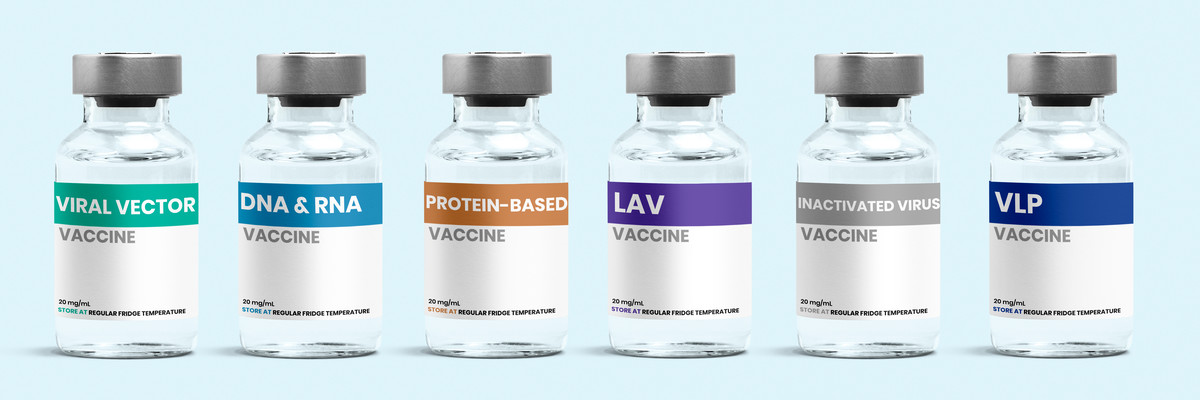
4.1 Global Clinical Trials Distribution: Hematologic Tumors Still an Early Focus, Bispecific Antibodies/ADC as a Mainstay in Mid-Stage
Global clinical trial databases (ClinicalTrials.gov) for Q3 2024 statistics reveal the following characteristics in immunotherapy trials:
Phase Distribution: Phase I trials total 501, Phase II 327, Phase III 112, with early trials surpassing 60%, illustrating the sector remains in a "technology exploration phase."
Cancer Indication Distribution: In phase I trials, hematologic tumors accounted for 312 (62%), while solid tumors were 189 (38%), because hematologic tumor models are established swiftly with easily observable clinical endpoints. In phase II, the share of solid tumors rose to 55% (180 trials) with bispecific antibodies/ADC technologies making up over 30% (98 trials), suggesting these technologies gradually verified effectiveness in solid tumors.
Technology Distribution: CAR-T (213 trials), PD-1/PD-L1 antibodies (187 trials), and ADC (156 trials) were the three most populous trial technologies, aggregating over 80%, indicating current mainstream orientation.
4.2 CMC and GMP Challenges: Standardization as the Core Challenge
The production processes (CMC) and quality management practices (GMP) of immunotherapy products directly impact safety and effectiveness. Two core challenges are:
Autologous CAR-T: Large Variability in Initial Cells: Autologous CAR-T's initial cells come from the patient's peripheral blood T cells, with large variances in activity and quantity between patients, leading to significant variation in the final product's killing activity coefficient of variation (CV) of up to 30%, whilst clinical requirements need CV <10%. Solutions include: ①Standardized collection processes (such as fixed collection times and pretreatment plans); ②Adding "cell expansion adjuvants" (like IL-7/IL-15) to reduce amplification efficiency disparity among patients; ③AI prediction of initial cell quality, preemptively eliminating unsuitable samples.
ADC: Poor DAR Uniformity: The "drug-to-antibody ratio" (DAR, indicating the number of toxin molecules per antibody) is a vital quality attribute for ADCs with uneven DAR distributions can cause variable effectiveness or increased toxicity. Traditional conjugation technologies (like lysine conjugation) presented DAR distributions of 0-8 with low uniformity; modern "site-specific conjugation technologies" (like cysteine conjugation, non-natural amino acids) constrain DAR to 2 or 4 with uniformity over 95%, now dominating ADC production technologies (such as DS-8201 employing cysteine conjugation).
4.3 Regulatory Comparisons: Accelerated Pathways of the Three Largest Global Regulators
To expedite the market availability of innovative immunotherapy products, the FDA (U.S.), EMA (EU), and CDE (China) have all established "accelerated approval pathways," key differences among the three are as follows:
| Regulatory Agency | Accelerated Pathway Name | Entry Standards | Approval Cycle Reduction | Representative Case |
|---|---|---|---|---|
| FDA | RMAT (Regenerative Medicine Advanced Therapy) | Treatment of serious diseases with preliminary clinical evidence showing benefit | Average reduced by 12 months | First allogeneic CAR-T by Allogene approved |
| EMA | PRIME (Priority Medicines) | Treatments for unmet medical needs, supported by preclinical/early data. | Average reduced by 9 months | First LYTAC molecule approved (Arvinas) |
| CDE | Breakthrough Therapy | Treatment of serious diseases with significant advantages over existing therapies | Average reduced by 10 months | First domestic CAR-T approved (Yescarta) |
Beyond, the "accelerated vs traditional approval" debate focuses on the rationality of surrogate endpoints. For instance, in 2023, the FDA requested Merck withdraw the stomach cancer indication for Keytruda due to concerns: Keytruda was initially approved based on the surrogate endpoint of "progression-free survival (PFS)," but later phase III trials showed no significant benefit in "overall survival (OS)," indicating stricter validation needed for surrogate endpoints.
4.4 Payment and Insurance: Accessibility is Industry Implementation's Key
The high prices of immunotherapy products (such as CAR-T, with traditional autologous CAR-T costing around $373,000 per treatment) and payment systems directly affect patient accessibility. Payment strategies in main global markets include:
United States: Adopts "value-based payment" referencing QALY (Quality-Adjusted Life Year) thresholds set by ICER (Institute for Clinical and Economic Review), ranging between $100-150,000/QALY. If a drug's QALY cost is below $150,000 it's more likely to be covered by insurance. Keytruda, with a QALY cost for lung cancer about $120,000, is covered by most commercial insurance.
China: Leverages "medical insurance negotiations + dual-channel pharmacies" to enhance accessibility. In 2023, a domestic CAR-T (Yescarta) was listed in the "dual-channel pharmacy" catalogue of some provinces, reducing patient co-payment from 100% to 30%-40%. When combined with commercial insurance, the effective co-payment dropped to 50,000 to 100,000 yuan, boosting accessibility 2.7 times compared to 2021.
European Union: Utilizes "cross-country price negotiations," enabling nations like Germany and France to negotiate with pharmaceutical companies, reducing ADC drug prices by 20%-30%, simultaneously incorporating it into "Disease Diagnosed Related Groups (DRG)" for insurance coverage.

Future Outlook: Five Trends from 2025-2030
From 2025 to 2030, immunity therapy will enter a "technology fusion" and "scalable implementation" phase, with five key trends set to reshape the industrial landscape.
5.1 In Vivo CAR-T: Transitioning from "Customization" to "Mass Production"
Traditional autologous CAR-T necessitates "collection-cultivation-reinfusion" in three steps, with manufacture cycles extending for 2-3 weeks at costs exceeding $300,000, suitable only for few patients. In vivo CAR-T employs "intravenous injection of viral vectors (such as AAV, lipid nanoparticles)," directly modifying T cells into CAR-T within patients, eschewing in vitro cultivation, offering:
Substantially Reduced Costs: Omission of culture and quality control reduces production costs to a tenth of traditional CAR-Ts, with projected prices by 2030 as low as $30,000-$50,000.
Shortened Production Cycles: From "2-3 weeks" to "1 day," suitable for patients with rapid disease progression.
Expanded Applicable Population: No need to collect sufficient T cells, addressing issues with elderly patients and insufficient T cells post-multiple chemotherapy.
Presently, Sana Biotechnology's in vivo CAR-T (targeting CD19) is in phase II trials, with phase III data expected by 2026 Q2. If successful, this could revolutionize immunotherapy technology.
5.2 Multi-Target Combination: Logic-Gated CAR-T for "Precision Strike"
Single-target CAR-T is prone to relapse due to "target loss" (e.g., CD19 CAR-T treatments resulting in tumor cells losing CD19 antigen), while "logic-gated CAR-T" resolves this through multi-target recognition, with core designs of:
AND Gate: Requires recognition of two targets (such as CD19×CD22) for CAR-T activation, avoiding relapse caused by single-target loss.
NOT Gate: To recognize tumor targets (like CD19) while excluding cells expressing normal markers (like CD34), reducing off-target toxicity.
AND-NOT Compound Gate: Combining both, e.g., "CD19×CD22 AND NOT CD34," yielding phase I CR rates of 90% in lymphoma, no off-target toxic reports.
The first logic-gated CAR-T is anticipated to hit the market by 2028, becoming the "new standard" in hematologic tumor immunotherapy.
5.3 AI-Driven Design: Antibody-PROTAC Fusion Molecules for "Double Regulation"
AI will overcome the limitations of "single technology," designing "multifunctional fusion molecules," with "antibody-PROTAC fusion molecules" bearing the most potential—the antibody part binds to cell surface targets (such as HER2), directing molecules into tumor cells; the PROTAC part degrades intracellular targets (such as KRAS), achieving a double regulation of "surface targeting + intracellular degradation."
AI's core roles include: ①Predicting antibody and PROTAC linkage sites, avoiding mutual interference; ②Simulating the metabolic pathway of molecules in vivo, optimizing half-lives; ③Designing tumor-specific linkers responsive to the microenvironment (like breaking in low pH environments), enhancing tumor specificity. Relay Therapeutics has leveraged AI to design the first antibody-PROTAC fusion molecule (targeting HER2×KRAS), expected to enter phase I trials by 2025.
5.4 Allogeneic General: Gene Editing Overcoming "Immune Rejection" and "Toxicity" Challenges
Allogeneic (off-the-shelf) CAR-T, capable of being prepared ahead of time and used immediately, holds the key to overcoming "long periods" of autologous CAR-Ts but needs to break through "host-versus-graft disease (HVGD)" and "graft-versus-host disease (GVHD)." From 2025 to 2030, joint "CRISPR+TALEN" will become the dominant technology:
CRISPR knocking out 3 targets: ①TCRα (eliminating T-cell recognition of hosts, preventing HVGD); ②PD-1 (enhancing CAR-T activity); ③CD52 (preventing host immune system attacks on CAR-T, reducing GVHD).
TALEN inserting 2 targets: ①CAR gene (targeting tumor targets like BCMA); ②IL-15 gene (promotes CAR-T survival, prolonging efficacy).
Allogene Therapeutics' "CRISPR+TALEN" edited allogeneic CAR-T (targeting BCMA) is in phase II trials, with GVHD incidence at just 5%, significantly lower than traditional allogeneic CAR-T levels (30%-40%).
5.5 Regulatory Sandboxes: Real-World Evidence (RWE) Replacing Phase III Registration Trials
The phase III clinical cycle for immunotherapy is long (3-5 years), with high costs (surpassing $1 billion), particularly difficult in rare diseases (such as advanced bile duct cancer), to recruit sufficient patients. Starting in 2025, global regulators will progressively adopt "regulatory sandbox" models—under rigorous supervision, allowing companies to use "Real-World Evidence (RWE)" to replace portions of phase III data:
RWE Sources: Hospital electronic records, insurance databases, patient registries, requiring CDISC (Clinical Data Interchange Standards Consortium) certification to ensure data quality.
Applicable Scenarios: ①Rare disease drugs; ②New indications of approved drugs; ③Combination therapy plans (such as "bispecific antibody + radiation").
In 2024, the FDA piloted RWE in the "bile duct cancer ADC drug" approval cycle, reducing it from 3 years to 1.5 years. By 2027, RWE will become a key complementary piece in phase III immunotherapy trials.
Conclusion
Immunotherapy is transitioning from "single-molecule targeting" in the "molecular era" to the comprehensive "system era" of "multi-technology coordination and multi-target regulation." This shift is not only driven by breakthroughs in technologies like in vivo CAR-T and AI molecule design but also relies on regulations (such as FDA Project Optimus) and reimbursement collaborations (like dual-channel pharmacies in China), the synergy of which is expected to lead the industry to its second wave of exponential growth in 2027.
Industry professionals must pay close attention to two critical milestones: ①First phase III data for in vivo CAR-T in Q2 2026 (determining its potential to replace autologous CAR-T); ②First biologics license application submission for PROTAC immune targets in Q1 2028 (expanding PROTAC from "solid tumor targets" to "immune targets"). In the coming five years, immunotherapy will evolve from being a "choice for a few patients" to progressively becoming a "broad-spectrum, accessible standard therapy," reshaping the treatment landscape for cancer and immune-related diseases.
Related Products & Services
Resources
-
One Minute to Fund Your School Dream!
-
130 Years of Cancer Immunotherapy in 60 Seconds
-
Immunotherapy: From Coley's Toxins to AI Innovations
-
ADCs: The Future of Cancer Treatment
-
ADC Target Proteins Explained in 60 Seconds!
-
Antibody Therapy Explained A Breakthrough in Modern Healthcare
-
Antibody Therapy: Revolutionizing Modern Medicine

Contact us or send an email at for project quotations and more detailed information.
Quick Links
-

Papers’ PMID to Obtain Coupon
Submit Now -

Refer Friends & New Lab Start-up Promotions