

GPCRs Class A
🧪 S1pr1-2041M
Source: E.coli
Species: Mouse
Tag: His
Conjugation:
Protein Length: Tyr311-Ser382


🧪 Ffar2-2183M
Source: E.coli
Species: Mouse
Tag: His
Conjugation:
Protein Length: Ser241-Glu330
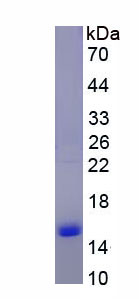
🧪 Ffar2-2184R
Source: E.coli
Species: Rat
Tag: GST&His
Conjugation:
Protein Length: Ser277-Glu330
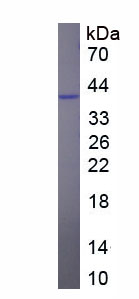
🧪 HRH4-2254H
Source: E.coli
Species: Human
Tag: His
Conjugation:
Protein Length: Trp90-Ala302
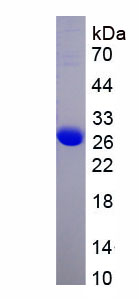
🧪 P2RY2-2540H
Source: E.coli
Species: Human
Tag: His
Conjugation:
Protein Length: Gly310-Leu377

🧪 CHRM4-2786H
Source: Protein Conjugation
Species: Human
Tag: His
Conjugation: OVA
Protein Length: Pro258-Glu273

🧪 Hrh4-2816M
Source: Protein Conjugation
Species: Mouse
Tag: His
Conjugation: OVA
Protein Length: Gly148-Thr163

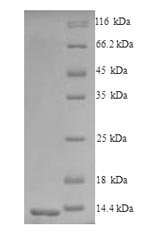
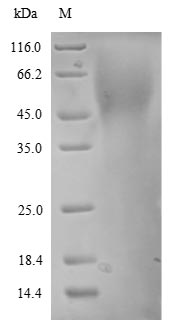
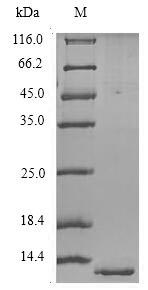
🧪 TSHR-5180HFL
Source: Mammalian Cells
Species: Human
Tag: Flag
Conjugation:
Protein Length:

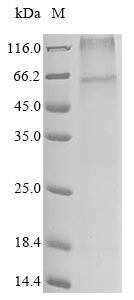
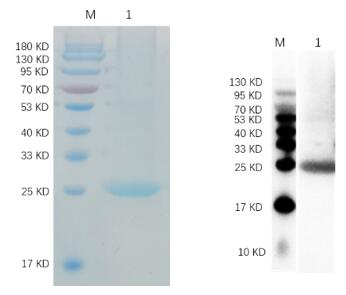


Class A GPCRs are the largest and most varied group, making up about 48% of all GPCR receptors. This class includes receptors for light, like rhodopsin, as well as key neurotransmitter receptors for dopamine and serotonin, and hormone receptors, such as adrenergic receptors. What sets Class A apart is its structure: these receptors have a short N-terminus and a specific Asp-Arg-Tyr (DRY) motif in their third transmembrane segment, which plays a crucial role in activating G-proteins. By focusing on Class A and its essential functions, we support research and innovation in areas spanning vision, mental health, and hormone-related processes.